
Power outages, fuel bans and no summer camps: Ukraine steps up pressure on Russia by targeting Crimea
Power outages, fuel bans and no summer camps: Ukraine steps up pressure on Russia by targeting Crimea
Power outages fuel bans and no summer – Sevastopol, the largest city in Russian-controlled Crimea, has been enduring frequent power cuts in recent weeks after a series of intensified Ukrainian strikes. The city’s power grid, already strained by ongoing conflict, faces further disruption as Kyiv’s military campaign intensifies. Kremlin-appointed Governor Mikhail Razvozhayev announced new restrictions on electricity use, urging citizens to conserve energy amid growing shortages. This marks another phase in Ukraine’s strategy to destabilize Russia’s grip on the peninsula, which has been a focal point of tension since 2014.
Ukraine’s drone forces commander, Robert Brovdi, revealed that the capital city had been hit by seven attacks on its main power substation in the early hours of Wednesday. These strikes, part of a broader offensive, have left parts of Sevastopol in darkness, forcing residents to adapt to a new reality of limited resources. The city, once a hub of military activity, now bears the scars of relentless assaults. Meanwhile, the Black Sea Fleet’s headquarters, which has historically anchored Russian naval dominance in the region, remains a key target in Kyiv’s efforts to weaken Moscow’s strategic foothold.
A history of annexation and resistance
Crimea’s annexation by Russia in 2014 was a pivotal moment, triggered by the Maidan protests that ousted Ukraine’s pro-Kremlin president, Viktor Yanukovych. The move, widely criticized by the global community, transformed the peninsula into a symbol of Russian influence. For years, it has been a contested territory, with Ukraine vowing to reclaim it. President Volodymyr Zelensky’s election in 2019 amplified this resolve, as he publicly declared his intent to restore Ukrainian sovereignty over the region. His rhetoric has since gained sharper edges amid Russia’s full-scale invasion of Ukraine in 2022.
The peninsula’s strategic importance extends beyond military concerns. Since the 2014 annexation, Russian President Vladimir Putin has funneled billions into developing Crimea as a resort destination, reviving its once-faded reputation as a tourist hotspot. However, the current disruptions threaten this vision. Power outages and fuel shortages, coupled with the cancellation of summer camps for children, have cast a shadow over the area’s vibrant culture and economy. As these measures take effect, everyday life in Crimea becomes increasingly precarious, with residents adapting to new norms of scarcity and uncertainty.
Disruptions in daily life
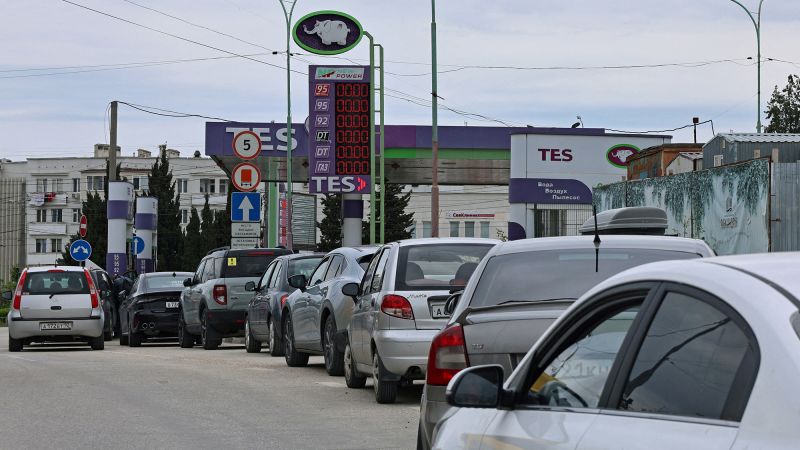
Residents of Sevastopol have become accustomed to the sound of air raid sirens, which now blare more frequently. A local woman described the situation as “more dangerous,” noting that drone strikes often occur over the city rather than the Black Sea, where they were traditionally based. This shift underscores the intensity of Ukraine’s aerial campaign, which has forced a reconfiguration of Russian defenses. The city’s public transport system, however, continues to operate, though fuel availability has dwindled to a critical level.
According to a unnamed resident who shared their experience with CNN, gas stations in Sevastopol are nearly empty, and those who can afford to buy fuel pay significantly higher prices. “We had to stock up when it was still possible,” she explained, highlighting the growing anxiety among locals. The economic impact of these measures is evident in the daily struggles of ordinary citizens, who now face the dual challenge of limited resources and the psychological toll of constant bombardment.
The Russian-installed regional government in Crimea has also imposed strict controls on fuel distribution, reserving it primarily for government agencies. This decision has sparked widespread discontent, with social media users expressing frustration. One user, taxi driver Aleksandr, questioned the policy on Telegram, asking how the administration planned to sustain the population without fuel. The isolation of Crimea under these conditions has created a sense of urgency, as the peninsula’s residents grapple with the consequences of Kyiv’s targeted strikes.
Cultural echoes of the past
Crimea’s history is a tapestry of both triumph and tragedy, woven with events that have shaped its identity. The region has long been a favorite destination for Russians and Ukrainians alike, with its scenic shores and lively coastal culture attracting visitors for decades. During World War II, the city of Yalta became a stage for historic diplomacy, where British Prime Minister Winston Churchill, President Franklin Roosevelt, and Soviet leader Joseph Stalin convened to shape the post-war order. Yet the same peninsula also witnessed darker chapters, including the Soviet-era deportation of Crimean Tatars under Stalin’s orders.
Since Ukraine’s independence in 1991, the resorts of Crimea have struggled to maintain their former allure, but their natural beauty and vibrant nightlife have kept them relevant. Today, the ongoing conflict threatens to undo years of development, with power outages and fuel bans creating a ripple effect across the region. A guesthouse owner in Noviy Svet, a resort town on the Black Sea coast, told CNN that visitors are still arriving, though the atmosphere is “cautious, not panicked.” She noted that the city’s tourist infrastructure remains functional, but the sense of uncertainty has grown.
Crimea’s cultural heritage is at risk as the conflict intensifies. Videos shared online capture the eerie emptiness of Simferopol, the region’s second-largest city, where public spaces lie deserted. In one clip recorded at around 9 p.m. on Tuesday, a woman described the city as feeling “like it’s inside some sort of apocalypse.” She recounted the haunting sight of a single car on the road, surrounded by silence and emptiness. Another video, posted on social media on Wednesday, showed a resident lamenting the barren shelves of a local supermarket after cafes and canteens had shut down. “We wanted to grab something to eat, but there’s nothing. The shelves are empty,” he said, underscoring the daily challenges faced by the population.
Strategic significance and future implications
The targeting of Crimea is not merely a tactical move but a symbolic effort to erode Russian influence in the region. By disrupting the power grid and fuel supply, Ukraine aims to create conditions of dependency, forcing the local population to support Kyiv’s cause. This strategy aligns with a broader goal of pressuring the Kremlin, as the conflict in Crimea mirrors the larger war in Ukraine. The peninsula’s role as a military base and its economic potential make it a critical target in the war effort.
As the situation in Crimea continues to evolve, its residents are caught between loyalty to Moscow and the mounting pressure from Kyiv. While some express frustration, others remain resilient, adapting to the new normal. The suspension of summer camps for children adds another layer to the disruption, affecting families who once looked forward to the summer months. These measures, combined with the energy crisis, signal a deepening impact on the daily lives of those living in the region.
Crimea’s transformation from a peaceful tourist haven to a contested frontline reflects the broader geopolitical stakes of the conflict. The combination of military strikes, economic restrictions, and social disruptions has created a complex environment where resilience and survival are paramount. As Ukraine presses forward, the question remains: can the peninsula endure these challenges, or will the relentless pressure force a shift in control?
