
He profits off raw milk that’s making people sick. The government isn’t stopping him.
He Profits Off Raw Milk Linked to Illness, Government Turns a Blind Eye
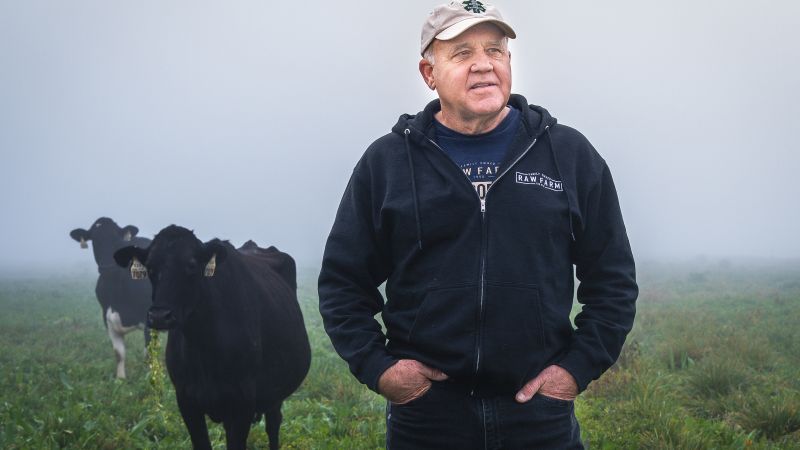
He profits off raw milk that – Mark McAfee, a 64-year-old dairyman, thrives on selling raw milk that has been linked to numerous health issues. His business, Raw Farm, operates in California and has become a symbol of the growing raw milk industry. Despite reports of illnesses tied to his product, McAfee continues to market it as a natural, unprocessed alternative to conventional dairy. “It’s not just milk—it’s a lifestyle,” he claims, emphasizing the benefits his raw milk provides to customers. Yet, the very product that fuels his success has also led to serious health complications for others.
The Raw Milk Industry’s Surge and Health Concerns
The raw milk market has expanded rapidly over the past decade, driven by consumer demand for perceived health benefits. McAfee’s farm, the largest raw milk producer in the U.S., generates around $30 million annually, reflecting the industry’s influence. National sales of raw milk climbed by 65% between 2023 and 2024, indicating a strong belief in its natural advantages. However, this popularity comes with risks. Raw milk has been responsible for multiple outbreaks, including cases of salmonella, E. coli, and bird flu, which have sickened dozens of people. Critics argue that these dangers are often overlooked in favor of the industry’s marketing.
McAfee’s operations have faced scrutiny, with over a dozen recalls linked to his product. Yet, the government has not taken significant action against him. “We’re not just selling milk—we’re selling a healthier way of living,” he insists. His family runs the business alongside him, reinforcing his commitment to the raw milk brand. But the question remains: how can a product that causes illness still be allowed to flourish?
Political Influence and Regulatory Challenges
The raw milk movement’s growth has been bolstered by political shifts. Under the Biden administration, efforts to regulate the industry were strengthened, but changes during the Trump era allowed it to continue without major consequences. Robert F. Kennedy Jr., a vocal supporter, led the Department of Health and Human Services, promoting raw milk as a key part of a “healthier America.” His tenure saw a federal report favoring the product, which McAfee and his advocates celebrated. “It’s a natural choice,” he said, holding a glass of raw milk at a White House event. This political alignment has created a climate where health risks are downplayed, enabling raw milk to remain a contentious yet profitable industry.
McAfee’s ability to evade stricter oversight highlights the challenges regulators face. While the FDA and DOJ have accused him of violating food safety standards, his operations have largely gone unchecked. “They think we’re a fringe trend,” he stated, defending his position. “But we’re serious about health and sustainability.” The lack of action has sparked debate about whether government policies prioritize industry interests over public health.
Consumers, however, remain divided. Some believe raw milk offers unique benefits, like improved digestion or immunity, while others point to the evidence of illness outbreaks. McAfee’s business model relies on this consumer trust, even as health authorities warn of the dangers. “It’s the best thing for your kids,” he argues, appealing to parents seeking natural options. Yet, the reality is that raw milk can carry pathogens that cause severe illness, particularly in vulnerable groups like children and the elderly.
Despite the risks, McAfee continues to profit from raw milk. His dedication to the product, combined with political support, has kept his operations intact. As the debate over raw milk’s safety persists, the question lingers: will the government finally act to protect consumers from the very product that continues to generate millions in revenue?
