
The last time the Knicks were this close to an NBA championship, New York was a different world
Knicks’ Close Call to NBA Championship: A Tale of New York’s Evolution
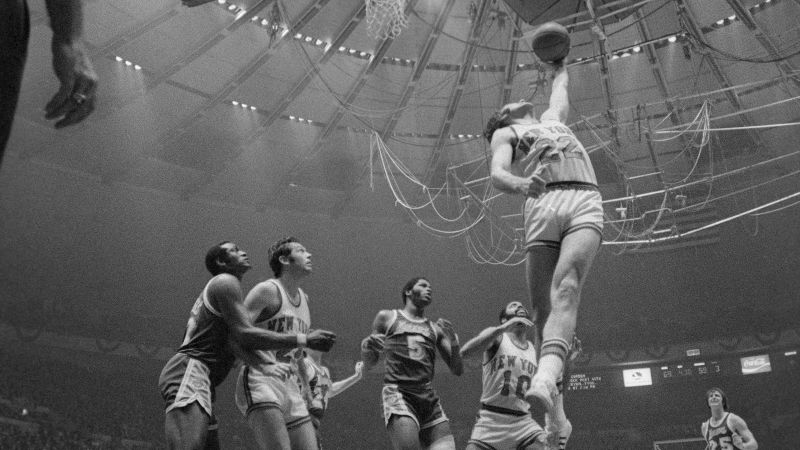
The last time the Knicks were – The last time the Knicks stood on the brink of an NBA title, New York City was in a different stage of transformation. Just one win away from glory, the team’s current Finals run echoes the 1973 season, a time when the city’s cultural and social landscape was rapidly changing. For fans like Greg Hourdajian, who grew up in Queens, this moment is both a historical revisit and a fresh chapter in the Knicks’ storied legacy. The 1973 championship victory, against the Lakers, was a defining memory of a New York still shaped by the Vietnam War and the dawn of disco, yet now, the Knicks are once again challenging for the crown, reigniting hopes that have remained dormant for over five decades.
A City’s Reflection in the Game
As the Knicks edge closer to the Finals, the city’s evolving identity mirrors their journey. Hourdajian, now 70, recalls the 1973 victory as a cherished childhood memory, while his daughter Jenna documents the current excitement. The difference is stark: the city skyline now features modern skyscrapers where tenements once stood, yet the essence of New York—its resilience and passion—remains unchanged. This year’s team, the first to reach the Finals since 1999, has become a symbol of the city’s perseverance, much like the 1973 squad did during its era.
Back in the 1970s, the Knicks’ triumph was a moment of unity in a city grappling with its own challenges. The current path to the Finals has brought together fans and celebrities alike, from Timothée Chalamet’s appearances to Spike Lee’s presence in the stands. The team’s story transcends sports, reflecting the broader narrative of New York’s reinvention. Whether it’s the cultural shifts of the past or the modern era’s complexities, the Knicks’ journey embodies the same spirit of determination that has long defined the city.
The Cost of Fandom and the Price of Victory
The last time the Knicks were so close to an NBA championship, the cost of a ticket was minimal—just $7. Today, fans shell out thousands for a seat in Madison Square Garden, a shift that highlights the evolving nature of sports culture. Yet, the emotional connection remains strong. Hourdajian notes that the game used to be a part of everyday life, but now it’s a spectacle that bridges generations. As the Knicks push forward, the question lingers: can this new era of high-stakes basketball match the legacy of the 1973 team’s historic run?
The path to the Finals has been marked by challenges, much like the city itself. From coaching changes to ownership shifts, the Knicks have endured a cycle of reinvention. But the hope for a third championship has never faded. For Hourdajian, the 1973 team’s resilience is a blueprint for today’s squad. “The stars on the court have always mattered more than the celebrities in the crowd,” he says, capturing the timeless heartbeat of the game. The parallels between the Knicks’ journey and New York’s own evolution are undeniable.
Historical Echoes and Modern Aspirations
As the Knicks’ recent Finals appearance unfolds, the city finds itself in a state of collective anticipation. The 29-point deficit in Wednesday’s game, overcome in the final seconds, mirrors New York’s own comeback stories. From the economic downturns of the 1970s to the global pandemic’s impact, the city has repeatedly proven its ability to rise from adversity. The Knicks’ pursuit of victory is a reflection of that same tenacity, with fans and players alike embodying the unyielding spirit that has defined New York for generations.
Hourdajian’s daughter, capturing the emotional highs and lows of the game, documents a New York that is once again a participant in the story. The 1973 Knicks and the current team share a common thread: the dream of a championship. While the context has shifted, the core of New York’s identity—its ability to unite and endure—remains intact. This year’s Finals run is not just about basketball; it’s a testament to the city’s ongoing transformation and its unbreakable connection to its sporting legacy.
