
Anthropic suspends all access to Mythos model after US government bans foreign nationals use
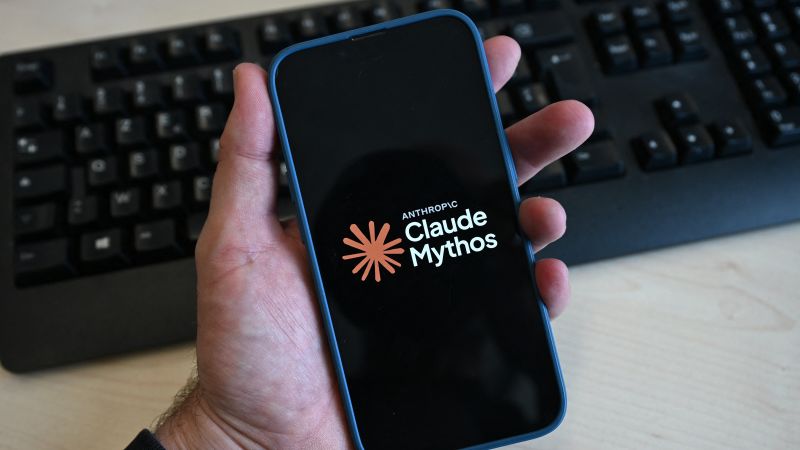
Anthropic Halts Model Access Amid US National Security Directive
Anthropic suspends all access to Mythos – On June 13, 2026, artificial intelligence firm Anthropic announced it had temporarily disabled access to its flagship systems, including the Mythos 5 and Fable 5 models, following a directive from the U.S. government. The order, issued by the Commerce Department, mandates that foreign nationals be barred from utilizing these advanced AI tools, a measure Anthropic attributes to growing concerns about national security. This decision marks another chapter in the ongoing scrutiny the company has faced under the Trump administration, which has implemented several measures targeting its operations.
Government’s National Security Concerns
Anthropic stated in a press release that the directive was prompted by the discovery of potential vulnerabilities in its models. While the exact nature of these risks remains unspecified, the company emphasized that it believed the government had identified a method to “jailbreak” Fable 5, bypassing its internal safety protocols. “We reviewed a demonstration of this specific technique being used to identify a small number of previously known, minor vulnerabilities,” the statement noted. “These vulnerabilities all appear relatively simple, and we have found that other publicly-available models are able to discover them as well without requiring a bypass.”
“We disagree that the finding of a narrow potential jailbreak should be cause for recalling a commercial model deployed to hundreds of millions of people.”
Despite this, Anthropic complied with the order, restricting access to its models for all users. The company argued that the standard applied to the directive—banning foreign nationals from using the models—could be overly stringent. “If this standard was applied across the industry, we believe it would essentially halt all new model deployments for all frontier model providers,” it added. This move has raised questions about the balance between security and innovation in AI development.
The Broader Impact on AI Innovation
The restriction not only affects access to the models but also limits the participation of international employees at Anthropic. Many of these individuals, who contribute to the company’s research and development, will now be unable to engage with the systems. The directive also requires Anthropic to secure licenses for the export, re-export, or domestic transfer of its models, a procedural change that could complicate global collaboration.
Anthropic’s newest model, Mythos, has drawn attention for its remarkable capabilities in cybersecurity. Experts suggest the model can uncover vulnerabilities in software systems at an unprecedented speed, prompting fears among both the government and financial markets. Initially, the company released Mythos to a select group of partners to “secure the world’s most critical software,” but it later made a more accessible version, Fable 5, available to the public. This general-purpose model has become a focal point for regulatory action.
Trump Administration’s Executive Order and Anthropic’s Role
The current directive is linked to a recent executive order on AI, which was influenced by Anthropic’s Fable 5 model. The order requires companies to voluntarily share details about models with advanced cyber capabilities with the government up to 30 days before making them available to other partners. This framework aims to ensure transparency and control over AI technologies that could pose risks to national infrastructure.
Anthropic was deeply involved in shaping the executive order, according to sources familiar with the process. The company’s executives had even been invited to the White House for a signing ceremony, though it was canceled at the last minute. This connection highlights the company’s influence in AI policy, despite the Trump administration’s earlier efforts to label it a “supply chain risk” in military contexts. The designation stemmed from Anthropic’s insistence that the Pentagon incorporate specific safety guardrails into its use of AI for warfare.
Anthropic contested the designation, calling it “unprecedented and unlawful.” The company secured an early victory in its lawsuit against the government, which challenged the claim of supply chain risk. Despite this, the Trump administration’s order to cease federal collaboration with Anthropic products remained in effect, though some agencies found ways to continue using its models, especially after the launch of Mythos.
Historical Context of Government-Company Tensions
The U.S. government’s relationship with Anthropic has been marked by a mix of collaboration and conflict. While the administration has taken steps to limit its access, it has also relied on the company’s expertise in AI development. This dual approach is evident in the recent executive order, which incorporates elements of Anthropic’s technical insights while imposing restrictions on its models.
One insider with knowledge of the order’s early planning said the idea of banning foreign nationals from working on AI models was considered during the drafting process but never finalized. This suggests that the current directive is a more targeted response to specific security concerns rather than a broad policy. Anthropic, however, has faced mounting pressure to align with national security priorities, even as it defends the practicality of its models.
Industry Implications and Future Challenges
Analysts warn that the government’s actions could have ripple effects across the AI industry. By requiring companies to restrict access to their models for foreign nationals, the directive may force broader compliance measures that could slow down innovation. Anthropic’s stance that minor vulnerabilities should not justify a full recall of its models reflects a common industry argument: that security risks should be weighed against the benefits of widespread access.
The company’s experience underscores the challenges of balancing security with usability in cutting-edge AI systems. While it has implemented safeguards to prevent misuse, these measures have also sparked criticism from users who find them overly restrictive. Anthropic’s recent efforts to improve its models’ safety mechanisms highlight its commitment to addressing concerns, even as it contends with the implications of the government’s order.
As the debate over AI regulation continues, Anthropic’s situation serves as a case study in the evolving relationship between technological advancement and national security. The company’s ability to adapt to these pressures while maintaining its position as a leader in AI development will be critical in shaping the future of the industry. For now, the suspension of model access remains a symbolic yet significant step in the government’s strategy to control advanced AI capabilities.
