
Viktor Orbán re-elected as Fidesz party leader in Hungary despite election loss
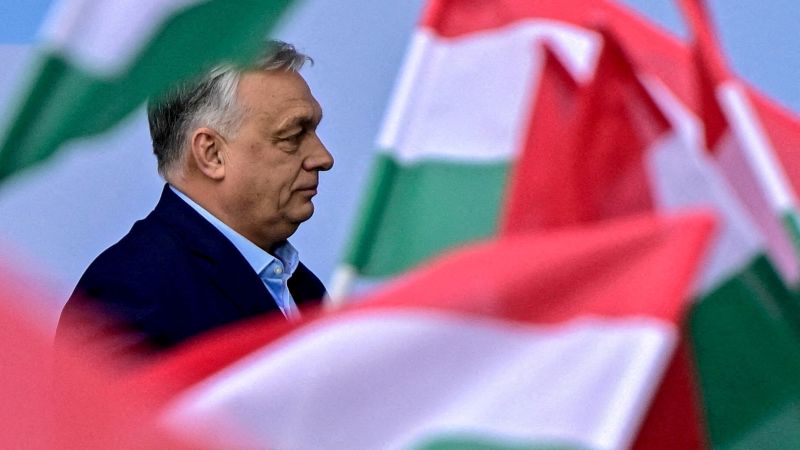
Viktor Orbán Re-Elected as Fidesz Leader in Hungary
Viktor Orbán re elected as Fidesz – Hungary’s right-wing Fidesz party has re-elected Viktor Orbán as its leader, reaffirming his position despite the party’s electoral defeat. The decision came after a party congress where 729 out of 737 delegates voted in his favor. Orbán, who has led Fidesz since 2010, continues to hold sway over the party’s direction even as it lost its majority in the April 12 parliamentary elections. His re-election signals resilience within Fidesz, as the party seeks to regroup and challenge the current government led by the center-right Tisza party.
A Defining Moment for Orbán’s Political Strategy
The re-election of Viktor Orbán re elected as Fidesz underscores his enduring influence in Hungarian politics. While the April vote marked a historic shift, with the Tisza party securing a two-thirds parliamentary majority, Orbán’s leadership remains intact. His tenure has been defined by ambitious constitutional reforms and a strong nationalist agenda, which have drawn both praise and criticism from across the political spectrum. Analysts note that his re-election at the party congress reflects a deep commitment from his base to his vision for Hungary, despite the election loss.
Orbán’s ability to retain control within Fidesz highlights the party’s internal cohesion. His rivals had previously called for his resignation following the April election, but the overwhelming support for his re-election as Fidesz leader suggests that his supporters remain loyal. This development positions Orbán to lead Fidesz’s strategic recalibration, as the party aims to regain public trust and adapt its message to the changing political landscape. The re-election of Viktor Orbán re elected as Fidesz also signals a potential shift in tactics for future campaigns.
Orbán’s Speech: A Call to Renewal
Speaking before the congress, Orbán emphasized his determination to rebuild Fidesz’s fortunes. “I do not give up, I never, never, never, never, never give up,” he declared, vowing to take full responsibility for the party’s electoral setback. His speech framed the loss as a necessary step for Fidesz to evolve into a more dynamic opposition force, rather than a declining governing party. The re-election of Viktor Orbán re elected as Fidesz has been met with cautious optimism, as his leadership is seen as a key factor in the party’s ability to recover.
“I do not give up, I never, never, never, never, never give up,” Orbán told the congress in a speech before the vote, reiterating that he took full responsibility for the party’s election defeat.
Orbán outlined a vision for Fidesz’s transformation, stressing the need to adjust its policies and messaging to appeal to a broader electorate. His re-election as Fidesz leader has been interpreted by some as a sign of his political acumen, even in the face of a major electoral challenge. As the Tisza party consolidates power, Orbán’s leadership may be crucial in reinvigorating Fidesz’s campaign strategies and mobilizing voter support.
Public Sentiment Shifts and Fidesz’s Challenges
The April 12 election results revealed a significant shift in public support, with the Tisza party gaining momentum. Recent surveys by the Publicus Institute indicate that the Tisza party’s approval rating has risen to 55%, up from 53% in the previous poll. In contrast, Fidesz’s support has dropped to just 17%, reflecting growing discontent with its policies. Despite these numbers, the re-election of Viktor Orbán re elected as Fidesz leader demonstrates that the party’s core supporters remain undeterred.
Orbán’s re-election at the party congress comes amid a period of uncertainty for his movement. While the Tisza party now holds the majority, Orbán’s influence within Fidesz is still substantial. Analysts suggest that his leadership may help the party refine its approach and reconnect with voters. As Fidesz adjusts its platform, the re-election of Viktor Orbán re elected as Fidesz will be a critical factor in shaping the party’s future and its ability to challenge the ruling Tisza coalition.
