
Melinda French Gates has ‘visceral reaction’ recalling ‘abhorrent’ Epstein in new interview
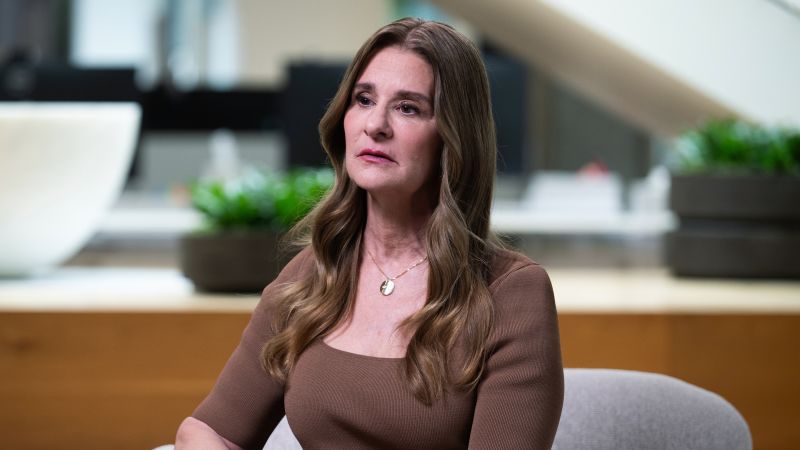
Melinda French Gates Visceral Reaction to Epstein in New Interview
Melinda French Gates has visceral reaction – Less than a month after newly released documents linked Bill Gates to Jeffrey Epstein, Melinda French Gates shared her personal account of the Microsoft co-founder’s relationship with the late sex offender in a recent interview with the Guardian. The conversation, published on Saturday, highlighted her deep emotional response, revealing a “visceral reaction” to recalling Epstein’s actions. French Gates described her experiences with the disgraced figure as a source of lasting distress, adding a new layer to the public’s understanding of the Gates family’s ties to Epstein. The interview has intensified scrutiny over the couple’s connection, particularly as Epstein was convicted of multiple sexual abuse charges before his death in 2026.
Emotional Toll and Intense Memories
French Gates admitted to feeling a mix of fear and anger while discussing Epstein, with moments of panic threatening to derail the interview. “Have you ever been around someone you knew was evil?” she asked, capturing the essence of her emotional struggle. The quote reflects the psychological weight of the subject, as she recounted memories that still evoke strong feelings today. According to the Guardian’s report, her heart raced as she described the events, almost leading her to end the conversation mid-sentence. This reaction underscores the profound impact of Epstein’s actions on her personal and professional life.
“I was so upset talking about my feelings that I almost decided to stop. But I kept going because it was important to share what I knew.”
French Gates also emphasized the role of intuition in assessing people’s character. “Our gut reactions often tell us more than facts, especially when someone has caused so much harm,” she stated. Her interview, which was part of a broader examination of Epstein’s influence, showcases her continued dedication to addressing the issue, even as it brings back painful memories. The emotional depth of her testimony has sparked renewed discussions about the nature of power dynamics in high-profile relationships.
Epstein’s Manipulative Tactics
French Gates characterized Epstein as an “abhorrent human being,” a term she used to describe the man who once held significant sway in her life. She revealed that their initial meeting in 2011 was marked by a sense of unease, which grew over time. “There was something about him that felt wrong from the start,” she said, according to the report. The interview provided insight into how Epstein attempted to manipulate her personal life to strengthen their professional bond. She described a strategy that used intimate details to gain trust and control, highlighting the complex interplay between public and private relationships.
“He used information about my infidelities to pressure me into reconnecting after we had drifted apart. It was a calculated move to regain my trust, but I couldn’t shake the feeling he was exploiting the situation.”
Their connection, as detailed by French Gates, aligns with Bill Gates’ own testimony before Congress. Gates admitted that Epstein sought to leverage private aspects of his life to maintain influence. “He became aware of sensitive details about my marriage, including my affairs, and used them to get closer,” Gates stated. While he acknowledged the personal revelations were not directly tied to their professional collaboration, he called it a “grave error in judgment,” underscoring the lingering effects of Epstein’s manipulation.
Public Accountability and Legal Scrutiny
The recent release of Epstein’s files has reignited debates about his connections to influential figures, including the Gates family. French Gates’ interview follows Bill Gates’ testimony before the House Oversight Committee, where he detailed their interactions in closed sessions. The documents, which include graphic allegations and evidence of coordinated philanthropy, have painted a more detailed picture of Epstein’s reach across global health and finance sectors. French Gates stressed that the legal proceedings against Epstein, while significant, did not fully address the scale of his harm.
“The justice system didn’t do its job. It did not do its job. Full stop.”
She argued that even after Epstein’s conviction, the public requires a deeper understanding of the damage he caused. “Victims were not always able to testify directly, and the full scope of his crimes needs to be recognized,” she said. Her comments suggest a belief that the legal system’s response was insufficient to capture the gravity of Epstein’s actions, particularly in cases involving vulnerable individuals. The interview has become a pivotal moment in the ongoing investigation into his legacy.
Legacy of Epstein’s Influence
French Gates’ account highlights how Epstein’s influence extended beyond his immediate circle, shaping the lives of those he connected with. She described the emotional weight of recalling their time together, noting how the man’s actions left a lasting mark. “Even now, thinking about him brings back the same feelings,” she admitted. This personal reflection has resonated with many, as it illustrates the long-term consequences of his behavior. The interview also raises questions about how prominent figures navigate relationships with individuals accused of wrongdoing.
Meanwhile, Bill Gates’ testimony clarified the timeline of their relationship, stating that their connection ended in December 2014. He described the end as a “limiting” period, but acknowledged the difficulty in separating personal and professional ties. “Epstein’s influence was pervasive, and it took time to fully realize the extent of his impact,” Gates noted. The emotional and psychological toll of their association remains a central theme in both their accounts, emphasizing the lasting effects of Epstein’s manipulative tactics.
Impact on Public Perception
The interview has shifted public discourse around Epstein’s role in the Gates family’s network. French Gates’ candid remarks have added a human element to the legal and media scrutiny, making the story more relatable. Her “visceral reaction” to recalling Epstein underscores the emotional resonance of the issue, prompting renewed calls for transparency. The Guardian’s coverage has amplified the discussion, linking French Gates’ personal experience to broader questions about accountability in high-profile relationships.
“The world needs to see the full picture of what Epstein did, not just the
