
Gene Shalit, longtime ‘Today’ show movie critic with bushy hair and massive mustache, dies at 100
Gene Shalit, Longtime ‘Today’ Show Movie Critic, Dies at 100
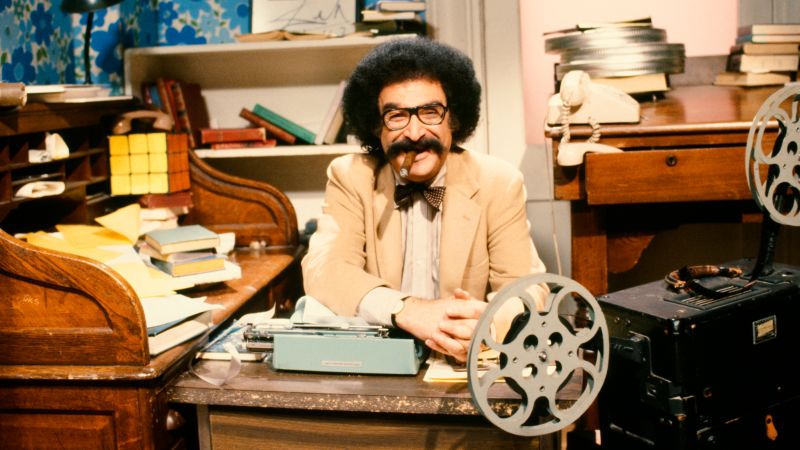
Gene Shalit longtime Today show movie – Gene Shalit, the renowned movie critic and arts correspondent for NBC’s “Today” show, has passed away at the age of 100. His family shared the news with NBC News, describing his death as “peaceful” and noting that his life was marked by “remarkable achievements and unforgettable moments.” Shalit’s distinctive on-air presence, shaped by his signature look and sharp wit, left an indelible mark on television journalism, particularly in the realm of film critique.
A Decades-Long Presence on the Airwaves
Shalit began his tenure with the “Today” show in 1970, eventually becoming a pivotal figure in its programming. His segment, “Critic’s Corner,” became a beloved feature, blending humor with insightful film analysis that resonated with audiences. Even after retiring in 2010, his legacy endured, as he remained one of the last major network critics to maintain a regular role. His unique blend of charisma and erudition made him a standout, even in an era dominated by print media.
From Print to Prime Time: A Transition of Talent
Before his television career, Shalit established himself as a respected writer in magazines such as Look and McCall’s. His reputation for eloquence and wit caught NBC’s attention, leading to his move to the airwaves. Though his appearance—think thick mustache and voluminous hair—initially surprised executives, his charm and intelligence quickly won over viewers. “No one at NBC had seen him. They’d only read his stuff,” recalled Guy Ludwig, his long-time producer, emphasizing the transformative impact of his on-screen debut.
Shaping Modern Film Criticism
Shalit’s time on the “Today” show coincided with a shift in how film critiques were consumed. In the 1970s, as televised reviews gained traction, he helped redefine the medium. His approach made film analysis more accessible, bridging the gap between print journalism and the television audience. The success of other programs, like Roger Ebert and Gene Siskel’s “Sneak Previews,” and the hiring of Joel Siegel by “Good Morning America” were influenced by his pioneering style, which combined entertainment with depth.
A Legacy of Wordplay and Insight
Shalit’s reviews were celebrated for their clever language and profound observations. For example, he remarked on “Stand By Me” that it “stood out from other youth-oriented stories because instead of grossing you out, it engrosses you.” His ability to craft memorable phrases, such as “There’s no bones about it” for “The Lovely Bones,” showcased his flair for humor. These quips not only made his critiques engaging but also reinforced his role as a trailblazer in television commentary.
Controversies and Contributions
While Shalit was widely admired, his reviews occasionally sparked debate. His assessment of “Brokeback Mountain” as “wildly overpraised, but not by me” drew criticism from GLAAD for characterizing Jack as a “sexual predator.” Despite such moments, his work underscored the evolving nature of film criticism, where television critics became as influential as their print counterparts. Shalit’s ability to spark conversation, whether through praise or critique, cemented his place in media history. His death marks the end of an era, but his influence continues to shape the way movies are discussed today.
“Shalit was instrumental in changing the balance of critical power in America,” wrote The Plain Dealer in 2010. “When he began his ‘Today’ tenure, cinematic opinion was primarily shaped by newspapers and magazines. But Shalit brought that expertise to the television screen, creating a unique space for critique that was both entertaining and informative.”
Shalit’s departure from the “Today” show in 2010 was a significant moment, as it signified the end of an era for televised film critiques. His career, spanning over four decades, was a testament to the power of storytelling and the impact of a distinctive voice. As the media landscape continues to evolve, Shalit’s contributions remain a cornerstone of television journalism, celebrated for their originality and enduring relevance.
