
Seven people and two firms charged over Hong Kong deadly fire that killed 168
Seven people and two firms charged over Hong Kong deadly fire that killed 168
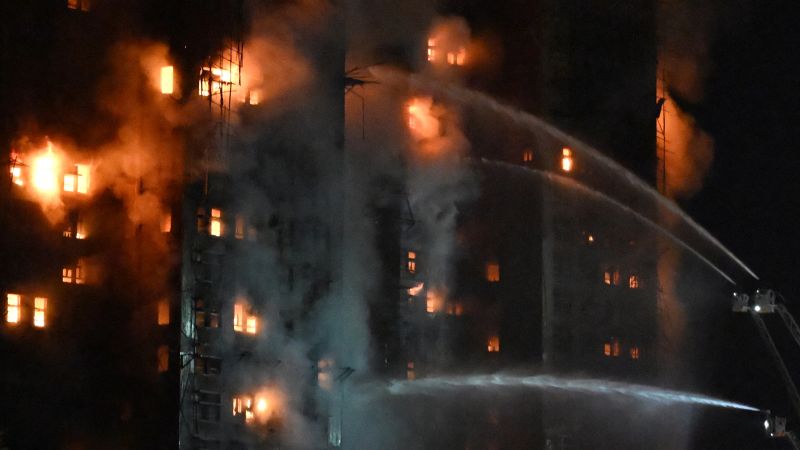
Seven people and two firms charged – Hong Kong’s deadliest fire in recent years occurred on November 26, 2025, when a catastrophic blaze consumed seven apartment buildings in the suburban district of Tai Po, resulting in 168 fatalities. On Wednesday, authorities announced charges against seven individuals and two corporate entities, linking them to offenses ranging from manslaughter to conspiracy. The incident, which devastated the tightly-knit Wang Fuk Court community, has kept former residents and family members of the victims in suspense for months as investigators sought to uncover the cause of the disaster.
Fire Safety Failures and Human Error
The tragedy has been attributed to systemic failures in fire safety protocols, with a lawyer representing an independent committee probing the incident stating that nearly all safety systems failed on the day of the blaze due to human error. This revelation has intensified public scrutiny of the building’s management and the regulatory oversight in place. The affected complex, Wang Fuk Court, housed thousands of residents, making the fire’s impact particularly devastating. Investigations into the incident have spanned several months, revealing a web of negligence and potential misconduct that led to the loss of lives.
“Almost all fire safety systems failed on the day of the blaze because of human error,” said Victor Dawes, a legal representative for the ongoing inquiry. His comments highlight the critical role of operational mistakes in exacerbating the disaster, which has become a pivotal moment for Hong Kong’s safety standards.
Corporate and Individual Accountability
The seven individuals charged include key figures from the renovation project of Wang Fuk Court, each accused of playing distinct roles in the events leading to the fire. The two companies named in the indictment are the project consultancy firm and the main contractor responsible for the building’s upgrades. Authorities allege that these entities were involved in multiple violations, including negligence in design and construction, which contributed to the fire’s rapid spread. In addition to manslaughter and conspiracy charges, the suspects face accusations of money laundering, attempting to pervert the course of justice, and tax evasion, underscoring the broader implications of the case.
The charges were formally announced on Wednesday, marking a significant step in the legal proceedings that have followed the disaster. The court is set to hear the cases in the afternoon, with the prosecution presenting 25 counts against the defendants. This marks the first major trial in the city since the fire, which has sparked widespread calls for accountability and reform. The legal battle is expected to shed light on the complex interplay between corporate responsibility, regulatory compliance, and human oversight in the incident.
Investigation Timeline and Arrests
The investigation into Wang Fuk Court’s fire began immediately after the tragedy, with police and the Independent Commission Against Corruption (ICAC) working in tandem to trace the root causes. In March, authorities arrested 38 individuals connected to the incident, citing allegations of manslaughter and fraud. Of these, nine have since been formally charged, while the ICAC added 23 more suspects for offenses such as bribery and conspiracy to defraud. These arrests reflect the growing evidence of systemic corruption and negligence that may have contributed to the disaster.
The process has been thorough, with multiple stages of inquiry and legal action. The ICAC’s involvement highlights the potential for corruption in the building’s management and construction. As the cases progress, the focus remains on determining how these failures led to the fire and whether those responsible can be held fully accountable. The outcome of the trial is anticipated to have long-term consequences for the city’s approach to safety regulations and building codes.
Community Impact and Public Demand for Justice
The fire not only claimed 168 lives but also left a profound emotional and social scar on the Wang Fuk Court community. Many residents have expressed frustration over the delayed justice, with some questioning why the investigation took so long to reach this stage. The tragedy has prompted demands for stricter enforcement of safety standards and more transparency in construction practices. As the legal proceedings unfold, the hope is that the victims’ families and survivors will finally find answers to the questions that have lingered since November 2025.
Meanwhile, the broader implications of the case extend beyond the immediate victims. The charges against the seven individuals and two companies signal a shift in Hong Kong’s approach to holding corporations accountable for public safety. The legal framework used in this case could set a precedent for future investigations into similar disasters. As the court prepares to hear the evidence, the focus remains on ensuring that those responsible are appropriately punished and that measures are taken to prevent such an event from occurring again.
Rebuilding Trust and Preventing Future Tragedies
Authorities have emphasized the importance of the case in rebuilding public trust in the city’s regulatory systems. The charges against the two firms and seven individuals are part of a larger effort to address the root causes of the fire. This includes examining whether safety inspections were adequate and whether corporate practices prioritized cost-cutting over resident safety. The trial is expected to be closely watched by both the public and industry stakeholders, as it may determine the future of building regulations in Hong Kong.
As the legal process continues, the victims’ families are holding onto the hope that the trial will provide closure and justice. The fire has also raised awareness about the need for improved safety measures in densely populated urban areas. With 168 lives lost, the case serves as a stark reminder of the importance of vigilance in construction and maintenance practices. The outcome of this trial could influence policies and practices for years to come, ensuring that such a tragedy is not repeated in the future.
With the court session scheduled for Wednesday, the community waits anxiously for the verdict. The case represents more than just legal accountability—it is a symbol of the collective effort to learn from the past and safeguard the future. As the defendants face the charges, the focus remains on the victims and the legacy of the fire that reshaped Hong Kong’s approach to safety and corporate responsibility.
