
‘Read the air’: A Japanese hot spring expert shares some naked truths about naked bathing
‘Read the air’: A Japanese hot spring expert shares some naked truths about naked bathing
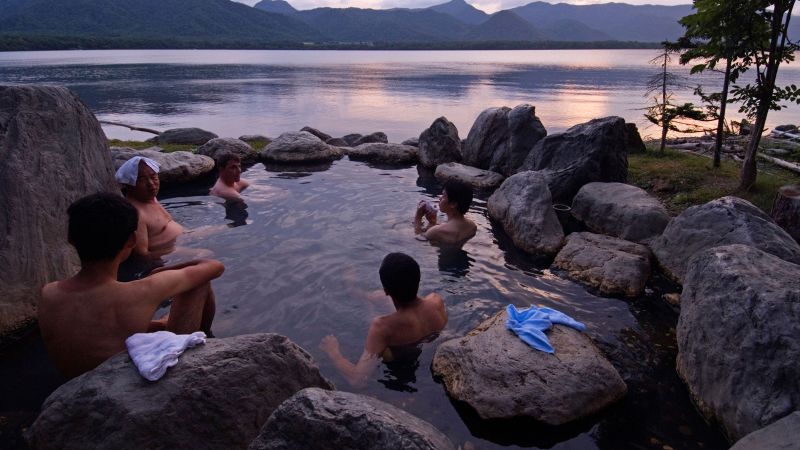
Read the air – Japan’s onsen culture is as much about tradition as it is about relaxation. Nestled on the rugged coast of the Izu Peninsula, the Kuroneiwa-buro hot spring is a striking example of how these thermal baths blend natural beauty with ritual. The water source is so close to the Pacific Ocean that waves crash against nearby boulders, creating a serene backdrop for the bathing experience. Yet, this small fishing village of Hokkawa Onsen, with its aging population and quiet charm, is not the first place one might imagine a foreign traveler entering the bathing area. But when I spotted a woman from overseas stepping into the pool with no hesitation, it became clear that even the most familiar customs can trip up outsiders.
The Art of Kakeyu
The woman’s actions were typical of the kakeyu ritual—a pre-bath cleansing often misunderstood by visitors. She scooped water from the source, where temperatures exceed 122 degrees Fahrenheit, and poured it over her skin with a kind of enthusiasm that bordered on exuberance. “Hot! Hot! HOT!” she exclaimed, hopping slightly as her skin turned crimson. While her method was unconventional, it was entirely correct according to the local customs. Kakeyu is an essential step in onsen etiquette, ensuring that the body is prepared for the therapeutic waters. However, a sign nearby, awkwardly translated from Japanese, seemed to confuse her. It read, “Please pour hot water on yourself before bathing.”
“Not that water—you’ll burn yourself!” I shouted, watching her struggle with the instruction. “Use the bucket and scoop from the bath, not the source.”
Her confusion was a microcosm of the challenges faced by international visitors. Japan’s onsen culture is steeped in unspoken rules that can feel as invisible as the steam rising from the pools. From the expectation of nudity to the ban on tattoos, these customs shape the experience in ways that outsiders often overlook. As I witnessed her moment of realization, it struck me how these subtle nuances can transform a simple visit into an unforgettable journey—or a source of frustration.
A Cultural Reconnection
Born in Japan but raised in the United States, I returned to the country with a sense of nostalgia and curiosity. The onsen culture, which I had only vaguely understood during childhood visits, became a focal point of my reconnection. At first, even the act of bathing without clothing felt awkward, as if I were stepping into a world where propriety was defined differently. Over time, however, the rituals began to make sense. The communal aspect of onsen, the emphasis on mindfulness, and the reverence for nature all contributed to a deeper appreciation of this heritage.
My journey as an onsen enthusiast began with a simple goal: to help travelers avoid the common pitfalls that turn a peaceful retreat into a cultural ordeal. I became a certified onsen sommelier, a title that carries both prestige and responsibility. The role involves not just understanding the technical aspects of thermal waters but also deciphering the social cues that make onsen a uniquely Japanese experience. It’s a position that requires patience, cultural sensitivity, and a willingness to learn from both the locals and the occasional misstep.
The Science of Thermal Waters
Japan’s status as the world’s hot spring capital is no accident. The country boasts over 25,000 natural thermal sources, each with its own unique properties. The Onsen Law, enacted to standardize quality, mandates that water must naturally emerge from the ground at a minimum temperature of 77 degrees Fahrenheit. If the water is cooler, it must still contain specific minerals or compounds, such as sulfur, iron, or carbon dioxide, at regulated levels. These classifications are often displayed in charts at onsen facilities, offering visitors a glimpse into the therapeutic potential of the waters.
Thermal waters are also categorized by pH levels, ranging from strongly acidic to strongly alkaline. This variation affects the skin’s reaction and the overall experience. For example, acidic waters are known for their invigorating properties, while alkaline waters are often used for their calming effects. Understanding these nuances helps both locals and tourists appreciate the diversity of onsen experiences across Japan. Some towns even offer free public facilities, making access to these traditions more inclusive.
Hidden Rules and Unspoken Etiquette
While the Onsen Law provides a baseline, the true magic lies in the unspoken protocols. Nudity is not just expected—it is a foundational element of the culture. Visitors who arrive in a swimsuit often find themselves quickly adjusted to the norm. Similarly, tattoos can be a barrier in some establishments, as they are traditionally associated with the yakuza. However, this is changing, with many modern onsen inns now accommodating guests with tattoos, especially in more cosmopolitan areas.
These rules create a sense of shared intimacy and purity, which is central to the onsen experience. It’s a space where social hierarchies blur, and individuals are encouraged to let their guard down. Yet, this openness can be disorienting for first-time visitors. I’ve seen tourists pause at the entrance, unsure of how to proceed, and others rush in with too much enthusiasm, only to be met with puzzled glances from local bathers. The key, as I’ve learned, is to “read the air”—a phrase that encapsulates the subtle signals that guide behavior in these spaces.
Discovering Hidden Gems
My travels took me across Japan’s vast thermal landscape, from the northern reaches of Hokkaido to the tropical waters of Okinawa. Each region offers its own distinct onsen, shaped by local geology and traditions. In Fukuji Onsen, a five-hour journey from Nagoya, I found myself drawn to its tranquility. Tucked deep within the mountains, the town features only 11 inns, many of which have stood for over a century. These establishments, housed in renovated traditional structures, exude a timeless atmosphere that feels almost otherworldly.
Working at a 170-year-old farmhouse-turned-retreat called So in Fukuji Onsen gave me an insider’s perspective on the daily rhythm of these spaces. From the moment guests arrive, they are greeted with a sense of ritual, whether it’s the soft lighting in the bathing areas or the careful attention to detail in the preparation of the waters. The experience is designed to be immersive, with every step guided by tradition. It’s here that I realized the importance of not just enjoying the waters but also embracing the cultural context in which they are offered.
Japan’s onsen culture is a testament to the country’s deep connection with nature and its ability to blend practicality with artistry. These baths are more than a means of relaxation—they are a social practice, a healing ritual, and a window into Japanese values. For those willing to learn, the experience is transformative. It’s about more than soaking in warm water; it’s about surrendering to the moment and letting the traditions shape the journey. As I continue my work as an onsen sommelier, I strive to ensure that every visitor can appreciate the beauty and meaning behind these ancient practices.
From the first time I stepped into a pool in Hokkawa Onsen, I knew that the real magic of onsen wasn’t in the water itself but in the way it brings people together. The gentle rise of steam, the quiet hum of nature, and the shared act of cleansing and soaking create an environment where time seems to slow. It’s a place where the past and present coexist, and where even the smallest misstep can lead to a deeper understanding. By sharing these insights, I hope to help others navigate the nuances of onsen culture and find their own way to enjoy its timeless allure.
