
Can you bring a legendary airline back to life? Pan Am is about to find out
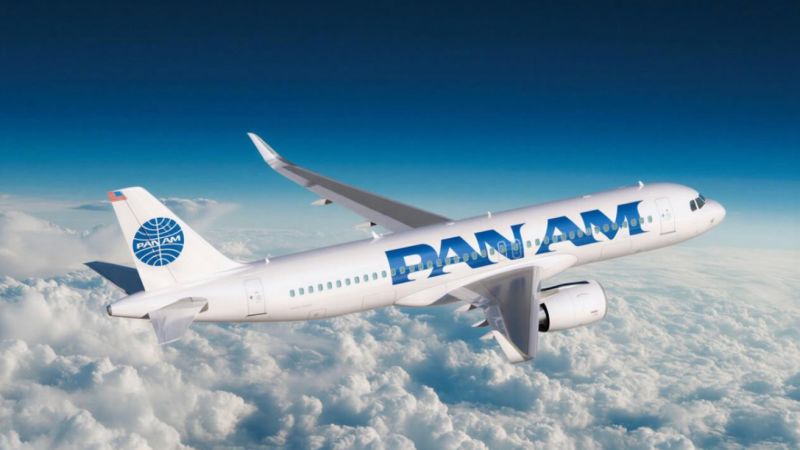
Can you bring a legendary airline back to life? Pan Am is about to find out
The Legacy of a Pioneering Airline
Can you bring a legendary airline – Pan Am, once a cornerstone of global aviation, left an indelible mark on the industry. Established in 1927 as Pan American Airways, the airline played a pivotal role in shaping the way people travel across continents. Its founder, Juan Trippe, was a visionary who transformed the company into a symbol of innovation and prestige. Pan Am’s contributions extended beyond mere transportation; it helped redefine long-distance air travel by introducing groundbreaking routes and setting benchmarks for service excellence. The airline was instrumental in the development of the Boeing 707 and the 747, two aircraft that became icons of the jet age. For nearly four decades, Pan Am dominated the international airline scene in the United States, embodying the nation’s cultural and economic influence. Its name became synonymous with a golden era of aviation, where flying was an experience of luxury and sophistication.
However, the airline’s decline was inevitable. A series of strategic missteps, coupled with external challenges, led to its final days. The 1970s oil crisis drastically increased fuel costs, squeezing profit margins. Then came the Lockerbie bombing in 1988, which shook passenger confidence and triggered a surge in security expenses. These pressures culminated in Pan Am’s bankruptcy filing in 1991, marking the end of an era. Yet, the brand’s legacy endured. Even today, the Pan Am name evokes memories of a time when air travel was both adventurous and refined. Its absence has only heightened the allure of its return.
Retro Revival: A New Chapter in the Making
In a bold move, the Pan Am brand is being resurrected through a modern venture. In February 2024, a coalition of investors, led by Craig Carter of California, acquired the airline’s trademark and associated intellectual property for an undisclosed sum. Their goal is to revive Pan Am not just as a carrier, but as a lifestyle brand that encapsulates the spirit of its historic days. This initiative aims to reintroduce the Pan Am identity into everyday life—whether through hospitality ventures, retail products, or even the air itself.
Initial steps have already captured public imagination. In June 2025, a retro-themed flight journey took off, offering a 12-day “air cruise” to locations once central to Pan Am’s network. The route included Bermuda, Lisbon, Marseille, London, and Shannon in Ireland, with each participant paying approximately $60,000 to relive the airline’s iconic past. While the exact number of passengers remains a secret, the aircraft—a Boeing 757-200 leased from Icelandair—was outfitted with 50 fully lie-flat seats, creating an immersive experience. The itinerary sold out in just three days, a testament to the brand’s enduring appeal. Even though few of today’s travelers recall the days of Pan Am’s dominance, this event has shown that nostalgia still holds power in the aviation world.
The success of this limited venture has fueled optimism among the new owners. Carter, who spearheaded the acquisition, sees the potential for a broader revival. “We want to rekindle the Pan Am legacy in a way that resonates with both history and modernity,” he explains. The project is still in its early stages, with plans evolving rapidly. What was once discussed as a business-class-only operation now includes a three-class model, as revealed by Ed Wegel, the CEO of the reimagined Pan Am. Wegel, an experienced figure in the aviation industry, emphasizes that the brand’s revival must balance heritage with practicality.
“We have identified the Airbus A220 as the most suitable choice for our business model, although we may start with A320s if availability allows,” Wegel notes. The new Pan Am aims to eventually operate a fleet of 25 to 30 single-aisle aircraft and 10 to 15 widebody planes, expanding into long-haul routes. But for now, the focus is on proving the concept. “There’s no specific timeline yet,” Wegel admits, highlighting the challenges of launching a brand after three decades of dormancy.
The Road to Rebirth: Navigating Modern Aviation Challenges
Rebuilding a brand that’s been dormant for nearly 30 years is no small feat. The aviation industry, currently grappling with supply chain issues and fluctuating demand, presents both obstacles and opportunities. For the new Pan Am, the key challenge lies in securing the right aircraft. While the original Pan Am was closely tied to Boeing, the modern iteration is turning to Airbus for its new fleet. This shift reflects the changing landscape of air travel, where cost efficiency and technological advancements have become critical.
The current project’s ambitions are ambitious but realistic. Wegel acknowledges that the airline’s return requires careful planning. “We’re starting small, but our vision is to create something that honors the past while adapting to the present,” he says. The decision to prioritize Airbus over Boeing is driven by factors such as fuel efficiency and operational flexibility. However, the transition isn’t without risks. The new Pan Am must convince passengers that its services are both authentic and competitive. This involves more than just replicating the old livery; it requires crafting a unique value proposition that appeals to modern travelers.
Despite the uncertainties, the renewed interest in Pan Am is undeniable. The 2025 air cruise, for example, demonstrated that a niche audience is willing to pay a premium for a nostalgic experience. This has encouraged the backers to push forward, even as they recognize the challenges ahead. “The fact that people are eager to pay for a journey back in time is a strong indicator of the brand’s potential,” Wegel observes. But he also notes that long-term success depends on more than just nostalgia. The new Pan Am must deliver consistent value, from its fleet choices to its customer experience.
From Nostalgia to Reality: The Future of Pan Am
The revival of Pan Am is a complex endeavor, requiring both historical reverence and contemporary adaptation. The airline’s new owners are determined to blend the old with the new, but they’re also aware of the limitations. “We can’t just copy the past—we have to build something that feels relevant today,” Wegel says. This means rethinking Pan Am’s role in the modern aviation market. While the original Pan Am was a global carrier, the new version may focus on a more curated approach, targeting both frequent flyers and aviation enthusiasts.
Even with these changes, the core identity of Pan Am remains intact. The airline’s iconic blue and white globe livery, once a symbol of its pioneering spirit, is being reintroduced with a fresh twist. The 2025 flight used this design to great effect, but the new owners are already planning for a more sustained presence. “Our ultimate goal is to create a legacy that lasts,” Wegel says. This ambition is reflected in the aircraft selection, which includes both narrow-body and wide-body models, allowing for diverse routes and experiences.
As the project moves forward, the question remains: Can the Pan Am brand transcend its past and thrive in the present? The answer may depend on how well the new owners navigate the challenges of the modern era. From securing aircraft to maintaining a balance between heritage and innovation, every step requires precision. But the enthusiasm for Pan Am’s return suggests that the dream is far from dead. With the right strategy, the airline could once again become a beacon of excellence, connecting people not just across the globe, but across time.
For now, the focus is on creating a foundation that can support growth. The 2025 air cruise, though a one-time event, provided valuable insights into customer expectations. The feedback from passengers, many of whom were drawn by the allure of the past, has been instrumental in shaping the project’s direction. As the new Pan Am takes shape, it carries the hopes of a generation that once dreamed of flying in the golden age of air travel. Whether this revival can become a lasting reality remains to be seen, but the journey so far has been a powerful reminder of the brand’s enduring appeal.
