What ER doctors, prosecutors and parents want you to know about e-bikes

What ER Doctors, Prosecutors, and Parents Want You to Know About E-Bikes
What ER doctors prosecutors and parents – When Jade Sharpe received a Christmas gift that would forever change her family’s life, she never imagined the severity of the injury her 13-year-old daughter Kennedi Chandler would endure. On a holiday marked by unseasonably warm weather, Kennedi rode her new e-bike—a vehicle capable of reaching speeds up to 20 miles per hour—without a helmet. Within two hours, a crash left her unconscious, prompting a frantic drive to Indianapolis’s top trauma center. “The next thing I knew was flashing lights, and then just … heart sunk,” Sharpe recalled to CNN. “I didn’t realize how bad it was until we were in the ambulance.”
The Rise of E-Bike Risks
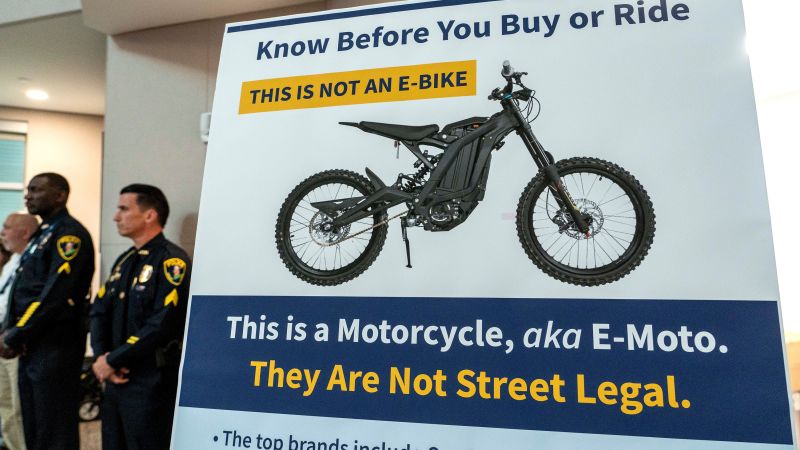
As e-bikes gain popularity, their potential dangers are becoming increasingly evident. These vehicles, with their sleek designs and powerful motors, can outpace traditional bicycles, reaching speeds that rival those of motor vehicles. While many see them as an eco-friendly alternative, the growing number of accidents involving children and teens has raised alarms among healthcare professionals and law enforcement. In California alone, multiple incidents this year have highlighted the risks: a 13-year-old died and two others were critically injured in separate e-bike crashes in Fresno. Another tragedy occurred in Garden Grove, where a 13-year-old boy collided with a median at 35 mph while riding an electric motorcycle, leading to his death. In Lake Forest, a 14-year-old struck and killed an 81-year-old veteran while performing wheelies on a high-speed e-motorcycle, according to the Orange County District Attorney’s Office.
“The Lake Forest boy’s mother—prosecutors say she was previously warned it was illegal for her son to ride the e-motorcycle—now faces an involuntary manslaughter charge,” the DA’s office stated.
These incidents underscore the need for stricter regulations and greater awareness. The Orange County district attorney has filed child endangerment charges against three parents this year for allowing minors to ride electric motorcycles illegally, labeling them “deadly weapons.” The surge in accidents has sparked calls for more oversight, including transparency from sellers and mandatory safety standards for users.
Healthcare Insights on E-Bike Injuries
Dr. Darria Long, an Atlanta emergency room physician, has witnessed a sharp increase in e-bike-related injuries over the past decade. From head trauma and fractures to concussions and cardiac arrest, the range of injuries is alarming. “Families often think their child is just having fun,” Long explained. “They assume a helmet will prevent all harm, but the reality is far more complex.”
“Every parent loves their child, and they don’t want to see them injured. But they didn’t know,” Long said, emphasizing the lack of awareness about e-bikes’ capabilities.
The Consumer Product Safety Commission’s report from April reveals a troubling trend. Between 2017 and 2024, micromobility fatalities—encompassing e-bikes, e-scooters, and other small electric vehicles—jumped from five to 135. Emergency department visits more than tripled during the same period, climbing from 37,300 to 149,100. E-bike deaths alone increased from zero in 2017 to 97 in 2024, a figure that does not include motorized vehicles like mopeds or e-motorcycles, which exceed e-bike speed limits and fall outside the commission’s scope.
Parental Responsibility and Safety Gaps
Kennedi’s accident, which required a skull portion to be removed to relieve swelling and bleeding, was just one of many cases prompting parents to reassess their children’s safety gear. Sharpe, who now watches her daughter recover with a helmet, admits they hadn’t anticipated the severity of the situation. “We were heading to the best trauma center in Indianapolis because that’s what she needed,” she said. The incident also brought to light the challenges of balancing enthusiasm for e-bikes with the necessary precautions.
Experts argue that the rapid adoption of e-bikes has outpaced safety measures. While the vehicles offer convenience and eco-friendliness, their ability to reach speeds exceeding 30 mph means they require more than just a helmet. Parents, often unaware of the differences between e-bikes and traditional bicycles, may not realize the potential risks. “They thought their kid was just doing something fun,” Sharpe said. “But it could be so much worse than what you think. It’s not just a broken bone.”
Regulation and Public Awareness
With gas prices climbing and more people seeking alternatives to cars, e-bikes have become a popular choice. However, the frequency of crashes involving children has led to demands for clearer guidelines. Some states are considering stricter rules, such as age restrictions for high-speed e-bikes or mandatory training for riders. Additionally, sellers are being urged to provide more detailed information about the vehicles’ capabilities, including speed ranges and safety features.
“This isn’t just about individual mistakes,” said Sharpe, who now advocates for better education. “It’s about understanding what your child is really riding. These are not your mother’s bicycles—they’re machines that can carry a lot of power.” The surgeon who treated Kennedi echoed this sentiment, noting that the teenager’s case was fortunate compared to others. “She’s lucky—so very lucky,” the medical professional remarked, highlighting the potential for even more severe outcomes.
A Call for Safer Practices
The incidents have sparked a broader conversation about e-bike safety. While some parents may view the devices as a way to encourage physical activity, others now see them as a double-edged sword. “Parents need to evaluate the risks before letting their children ride,” Long advised. “Even with a helmet, the impact of a high-speed crash can be devastating.”
As e-bike technology advances, so too must safety measures. The growing number of fatalities and injuries has pushed lawmakers and community leaders to prioritize regulation. With the right combination of education, oversight, and equipment, the potential for accidents can be reduced. Kennedi’s recovery, which includes occupational, physical, and speech therapy, serves as a reminder of the importance of preparedness. “She’s playing soccer again and excited to get back on a bike,” Sharpe said. “This time, with a helmet.”
In the wake of these incidents, the e-bike industry faces pressure to adapt. The rise in accidents has prompted discussions about design changes, such as enhanced braking systems or lower speed limits for younger riders. For now, the message remains clear: e-bikes are powerful, and the consequences of neglecting safety can be life-changing. As Sharpe puts it, “It’s not just a broken bone. It’s about protecting your child from the worst.”