
Two top UK defense officials resign over military spending in fresh blow to Keir Starmer
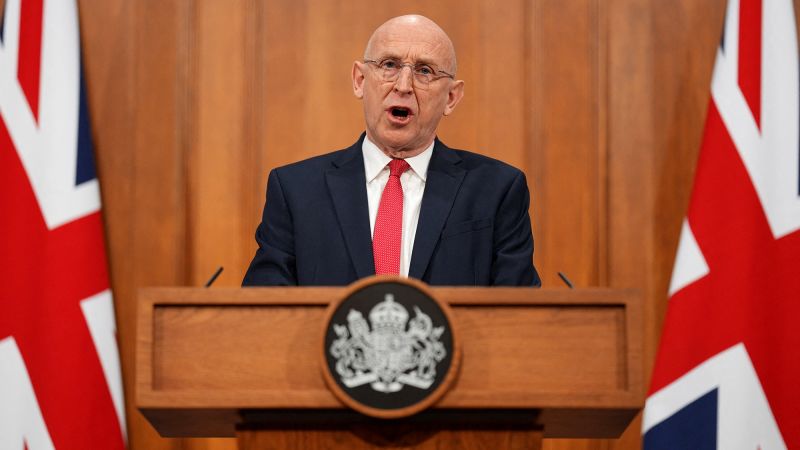
UK Defense Officials Resign Over Spending Concerns
Two top UK defense officials resign – Two senior UK defense officials have stepped down from their roles, marking a significant development in the government’s approach to military funding. John Healey, the Secretary of Defense, and Al Carns, the Minister of State for the Armed Forces, resigned on June 11, 2026, citing disagreements over the allocation of resources to the British Armed Forces. Their exits have intensified pressure on Prime Minister Keir Starmer’s administration, which is already under scrutiny for its handling of defense priorities amid a backdrop of political challenges.
Resignations Highlight Funding Disputes
The resignations stem from concerns about the adequacy of the defense budget. Healey criticized the government for failing to meet the urgent needs of the military, stating that the current funding levels are insufficient for addressing modern security threats. Carns echoed these sentiments, emphasizing the gap between the UK’s evolving strategic demands and its financial commitments. Both officials argued that the budget reflects a disconnect between the government’s rhetoric and its practical actions.
“Our forces are being stretched thin by a budget that lags behind the realities of today’s conflicts,” Carns stated, underscoring the need for a more dynamic defense strategy.
Starmer’s Defense Strategy Faces Scrutiny
Starmer, who took office in 2024, has defended his defense spending decisions, highlighting the government’s efforts to support Ukraine and strengthen alliances. He claims the defense budget has seen its largest increase since the Cold War era, aligning with the strategic focus on the Strait of Hormuz. However, the resignations of two top UK defense officials have cast doubt on these claims, with critics arguing that the strategy lacks long-term coherence and adaptability.
“I chose to prioritize defense spending after the Conservatives weakened our military infrastructure,” Starmer explained, noting that reallocations were necessary to secure national security.
Political Fallout and Leadership Challenges
The resignations have deepened the political strain on Starmer’s government, which has seen its popularity decline since a major electoral victory two years ago. With recent local election results proving unfavorable, the departure of two top UK defense officials has raised questions about the prime minister’s ability to maintain stability within his party. The impending by-election in Makerfield, northwest England, adds urgency to the situation, as a Labour defeat could prompt internal leadership debates.
Former NATO officials have also criticized the defense strategy, warning that the UK’s current approach may leave it vulnerable to emerging threats. A senior NATO representative noted, “The lack of urgency in defense matters risks compromising the country’s security posture.” This critique aligns with the concerns raised by the two top UK defense officials, who stressed the need for a more forward-looking investment plan.
The Defence Investment Plan and Its Delays
Starmer’s Defence Investment Plan, intended to modernize the UK’s military capabilities, has faced delays due to internal disagreements. The plan’s postponement has fueled speculation about the government’s commitment to its stated goals, particularly as the resignations of two top UK defense officials coincide with the upcoming NATO summit. Critics argue that the delays reflect a lack of clarity and strategic direction in defense planning.
“The Defence Investment Plan is designed to balance national security with economic priorities, but the resignations of two top UK defense officials reveal internal fractures,” a political analyst remarked.
The situation underscores the broader challenges facing Starmer’s administration, as it navigates a complex landscape of fiscal constraints, political pressures, and evolving global threats. With the defense budget at the center of the debate, the resignations of two top UK defense officials serve as a stark reminder of the stakes involved in maintaining military readiness and public confidence in the government’s leadership.
