
Do you live near a data center? Tell us what it’s like
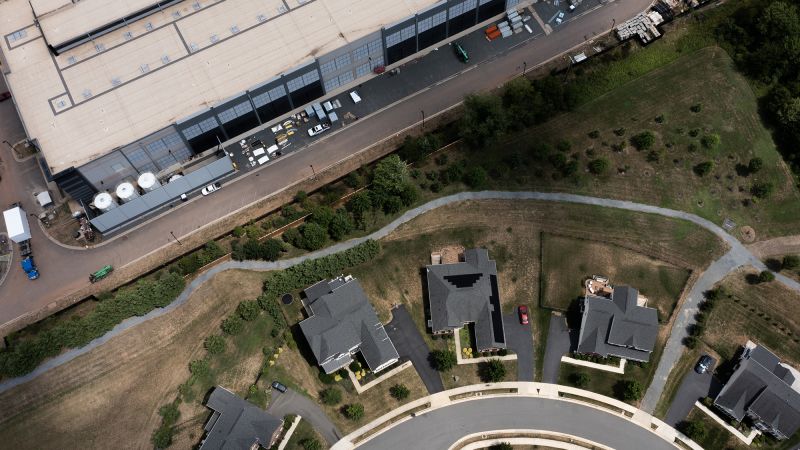
Do You Live Near a Data Center? Share Your Experience
Do you live near a data – Across the U.S., the construction of new data centers is accelerating, driven by the tech sector’s urgent need to support artificial intelligence advancements and the ever-growing digital content stored online. These massive facilities, often spanning hundreds of acres, are becoming a common sight in many regions, with companies investing heavily to expand their infrastructure. While proponents argue that such developments will generate employment and economic opportunities for local areas, a growing number of residents are expressing concerns about the changes these centers are bringing to their communities.
The Tech Industry’s Perspective
According to industry leaders, the construction of data centers is not just a local matter—it’s a strategic move for the nation’s technological dominance. “These centers are critical to ensuring the U.S. stays ahead in the AI race,” said a spokesperson for a major cloud provider. “They provide the backbone for innovation, enabling everything from real-time analytics to smarter automation in industries like healthcare and transportation.”
Companies like Google, Microsoft, and Amazon have been at the forefront of this expansion, citing the increasing demand for computing power as a key driver. The rise of AI requires vast amounts of data processing, and with the proliferation of smart devices and online platforms, the need for robust infrastructure has never been greater. In addition to supporting AI, these centers are also used to store everything from social media posts to streaming videos, fueling the tech industry’s push for more capacity.
Neighbors’ Growing Concerns
Despite the promises of economic growth, many residents near these facilities are raising alarms. Environmental groups highlight the energy consumption of data centers, which often rely on non-renewable resources. “We’re talking about massive energy demands, sometimes exceeding that of entire cities,” explained a community organizer in Texas. “This isn’t just about tech—it’s about our future.”
Local concerns extend beyond energy use. Noise pollution from the constant hum of servers, increased traffic due to construction and maintenance crews, and the risk of water contamination from cooling systems have become hot topics in neighborhoods across the country. In some cases, the rapid development has led to disputes over land use and zoning, with residents feeling sidelined from decisions that directly affect their daily lives.
“It’s like having a factory in our backyard,” said a homeowner in Georgia who has lived near a data center for five years. “The heat and lights are constant, and it’s hard to ignore the impact on our environment and quality of life.” Such sentiments are echoed by others who worry about property values and the long-term effects of industrial-scale operations on their communities.
A Nationwide Movement
The resistance to new data centers is no longer confined to a few isolated cases. Across the United States, a movement has emerged, with citizens and advocacy groups pushing back against the expansion. In states like California and Washington, residents have organized town halls and petition drives to voice their concerns. Some even argue that the benefits of data centers are overstated, emphasizing the need for greater transparency and community involvement in planning processes.
“We want to know what the long-term costs are,” said a representative from a grassroots environmental group. “Are we sacrificing our environment for short-term gains? It’s a question that needs to be answered before more centers are built.” This growing skepticism has led to calls for stricter regulations, including requirements for renewable energy sources and environmental impact assessments.
Meanwhile, some communities are seeking compromise. For example, in North Carolina, local leaders have worked with tech companies to implement green energy initiatives and community benefit agreements. “It’s about finding a balance,” said a city council member. “We need to support innovation, but we also need to protect our residents.”
What CNN Is Investigating
CNN is diving into the broader implications of this data center boom, aiming to uncover how these facilities are reshaping the American landscape. The network is actively seeking input from individuals who live in areas affected by or hosting these centers. “We want to hear directly from people who are living the impact,” said a CNN reporter. “Are these projects bringing the promised benefits, or are they creating new challenges?”
Through interviews and surveys, CNN is exploring the dual nature of these developments. While some residents appreciate the jobs and infrastructure improvements, others are more critical, highlighting issues like noise, heat, and energy use. The network is also examining the role of government in approving these projects and whether local voices are being adequately represented in the decision-making process.
As the push for AI infrastructure continues, the debate over data centers is intensifying. With more projects in the pipeline, the question remains: how will these facilities coexist with the communities they impact? The answers may shape the future of both technology and the towns that host it.
“These centers are critical to ensuring the U.S. stays ahead in the AI race,” said a spokesperson for a major cloud provider. “They provide the backbone for innovation, enabling everything from real-time analytics to smarter automation in industries like healthcare and transportation.”
The expansion of data centers is not just a matter of technical necessity—it’s a societal shift that requires careful consideration. As the tech industry accelerates its buildout, the voices of those living near these sites are gaining traction. Whether these projects will be seen as a boon or a burden depends on how well their benefits are balanced against the challenges they introduce.
With the global race for AI innovation in full swing, the U.S. is investing heavily in infrastructure to sustain its lead. Yet, the human cost of this progress is becoming increasingly visible. Residents near data centers are not only adapting to the changes but also challenging the narrative that these facilities are always beneficial. Their stories, and the community dynamics they reflect, are at the heart of CNN’s ongoing investigation into the impact of AI-driven infrastructure.
As the demand for computing power grows, so too does the footprint of data centers. This trend is likely to continue, with new projects planned in both urban and rural areas. The challenge for policymakers and tech companies is to ensure that these developments are sustainable and equitable. “We need to listen to the people who are living with these changes,” said a CNN analyst. “Their experiences will help us understand the real-world effects of AI expansion.”
With the debate over data centers heating up, the next phase of this story may hinge on how communities respond. Are these centers a necessary investment for the future, or a disruptive force in the present? The answers may come from the people who are closest to the action—those who live beside the servers and feel the weight of the digital age firsthand.
