
Trump’s DOJ approves Paramount-Warner Bros. merger, as potential state lawsuits loom
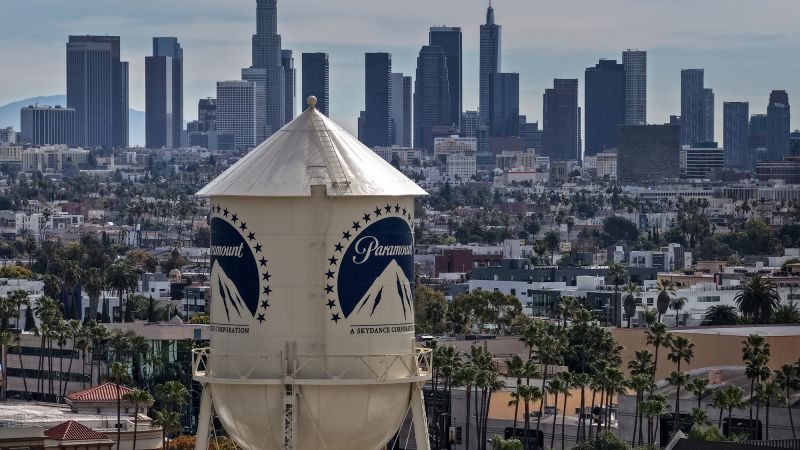
Trump’s DOJ Approves Paramount-Warner Bros. Merger; State Lawsuits Possible
Trump s DOJ approves Paramount Warner – The U.S. Department of Justice (DOJ) under former President Donald Trump has approved the Paramount-Warner Bros. Discovery merger, clearing a major hurdle for the $24.5 billion deal. This decision, announced on Friday, marks the culmination of a lengthy antitrust review and aligns with the administration’s pro-business stance. While the approval signals support for the consolidation of media assets, it has raised concerns among critics who fear the deal could reduce competition. The focus keyword here, “Trump s DOJ approves Paramount”, highlights the pivotal role of the Trump administration in shaping the merger’s fate. The agreement now allows Paramount to integrate Warner Bros., CNN, and HBO into its expanding entertainment empire.
DOJ’s Rationale and Antitrust Considerations
The DOJ’s approval hinged on its assessment that the merger would not significantly threaten competition in key markets. The agency reviewed three primary sectors: streaming video on demand (SVOD), linear television, and studio operations. Officials argued that the combined entity would still offer diverse content to consumers, maintaining a balance between innovation and market dominance. This analysis contrasts with earlier antitrust concerns raised by Democrats and industry watchdogs, who had warned of a potential monopoly. Trump’s DOJ, however, emphasized the deal’s benefits, including cost efficiencies and a broader reach for Paramount.
State-Level Opposition and Legal Uncertainty
Despite the federal green light, a coalition of state attorneys general remains skeptical. California’s office, led by Rob Bonta, is investigating whether the merger could stifle competition in local markets. Critics argue that the Trump administration’s leniency in antitrust enforcement has emboldened corporations to consolidate power. The state lawsuits, if filed, could force the DOJ to revisit its decision or impose additional conditions. Paramount executives, however, have expressed confidence that the merger will proceed by the end of September, regardless of state challenges.
With “Trump s DOJ approves Paramount” as a central theme, the merger’s approval underscores the political influence shaping antitrust outcomes. The deal has drawn attention to Larry Ellison, the billionaire CEO of Paramount, who is a key Trump ally. Ellison’s financial backing and political connections have been cited by critics as a factor in the DOJ’s favorable stance. This alignment has sparked debates about whether the merger reflects a broader strategy to consolidate media control under politically aligned entities.
Political Ties and Media Influence
Larry Ellison’s role as a Trump supporter has intensified scrutiny of the merger. His leadership at Paramount, following a 2023 acquisition, has tied the company more closely to the administration’s agenda. Critics, including Senator Elizabeth Warren, argue that this connection could lead to biased regulatory decisions. They warn that the merger might prioritize political interests over consumer welfare, potentially influencing public discourse through media ownership. The DOJ’s approval, therefore, is seen by some as a reflection of Trump’s influence on regulatory priorities.
Meanwhile, the merger has reignited discussions about the future of CBS News. Paramount’s restructuring of the network under Ellison’s leadership has been criticized for aligning it more closely with conservative messaging. Bruce Springsteen, during an episode of “The Late Show with Stephen Colbert,” highlighted these concerns, stating that the Ellisons “need to kiss his [Trump’s] ass to get what they want.” This sentiment reflects broader fears that the deal could centralize media control in the hands of politically connected interests.
International Regulatory Scrutiny
As the merger moves forward, international regulators such as the European Commission and the UK’s Competition and Markets Authority are closely monitoring the deal. These bodies are evaluating whether the consolidation could lead to monopolistic practices or limit consumer choice globally. While Paramount has framed the merger as a “pro-competitive” move, the potential for international objections adds another layer of complexity. The outcome of these reviews could determine the deal’s final structure and the extent of market dominance it creates.
Overall, “Trump s DOJ approves Paramount” has become a focal point of debate in the media industry. The decision not only reshapes the landscape of content distribution but also raises questions about the role of politics in regulatory decisions. As state lawsuits and international reviews unfold, the merger’s long-term impact on competition and media diversity remains uncertain. However, the Trump administration’s support for the deal suggests a continued prioritization of corporate consolidation over consumer protection in the entertainment sector.
