
Taiwan test-fires rockets in China’s direction from US-supplied mobile launching system
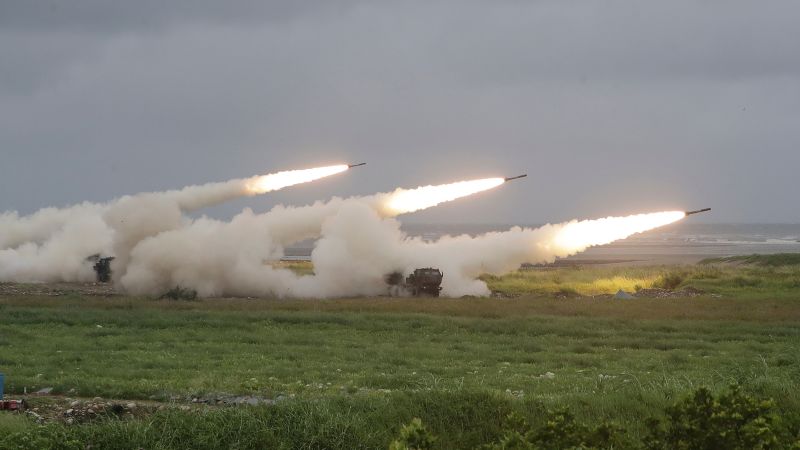
Taiwan Test Fires Rockets in China
Taiwan test fires rockets in China – Taiwan’s military launched rockets toward China on June 10, 2026, during a live-fire exercise using a mobile system provided by the United States. The event, conducted with High Mobility Artillery Rocket System (HIMARS) units, highlighted Taiwan’s readiness to defend itself against potential Chinese aggression. This test marked a significant step in demonstrating the island’s capacity to project force across the Taiwan Strait, the narrow body of water that separates it from the mainland. Analysts note the exercise as a strategic move to signal deterrence in the escalating regional standoff.
Enhancing Defense Capabilities
The test involved reduced-range rockets, which simulate real combat conditions while minimizing risks to surrounding areas. According to a statement from the Taiwan Army, the exercise was designed to evaluate the effectiveness of the HIMARS system in rapid response scenarios. “The mobility of these systems allows us to strike targets swiftly and reposition for safety,” said Lt. Colonel Lin Chia-hsun, underscoring the importance of adapting to modern warfare tactics. This aligns with broader U.S. efforts to modernize Taiwan’s military through advanced weaponry.
The HIMARS, a truck-mounted pod system, enables quick deployment and flexibility in combat situations. Unlike traditional fixed-position systems, it allows forces to launch attacks from concealed locations and evade enemy retaliation. The exercise took place near Taiwan’s western coast, where the island faces the most direct threat from China. Experts argue that such mobile capabilities could shift the balance of power in the region, offering Taiwan an asymmetric edge in potential conflicts.
Strategic Implications and U.S. Support
Taiwan’s use of U.S.-supplied HIMARS underscores the strategic alliance between the two nations. The system’s precision and mobility are critical in countering China’s conventional military superiority. Recent U.S. arms sales, including a planned shipment of 82 additional HIMARS units, have bolstered Taiwan’s defense infrastructure. However, the deal was paused after President Donald Trump’s meeting with Chinese leader Xi Jinping, reflecting ongoing diplomatic tensions.
China’s military has been actively conducting drills near the Taiwan Strait to assert dominance over the region. These exercises often involve coordinated naval and air movements, aiming to test invasion readiness. The recent rocket test by Taiwan serves as a counterpoint, emphasizing the island’s preparedness to defend its territory. The move has intensified discussions about the future of U.S.-Taiwan relations and the potential for a broader conflict.
Analysts suggest that the exercise was also a demonstration of Taiwan’s ability to integrate advanced U.S. technology into its defense strategy. “This shows that Taiwan can effectively utilize its U.S. allies’ capabilities to safeguard its security,” noted Dr. Emily Chen, a military strategist. The event highlights the growing role of Taiwan as a key player in the U.S.-China strategic competition, with the island’s military becoming a focal point of regional stability.
“The test is a clear message that Taiwan is ready to act in defense of its sovereignty,” remarked Alexander Yui, Taiwan’s representative in the United States. “With the HIMARS, we can respond swiftly to any aggression from the mainland.”
Taiwan’s military continues to prioritize rapid response and precision strikes as part of its defense posture. The exercise also tested coordination between different units, ensuring seamless operations in case of an emergency. While the delay in the U.S. arms deal may affect future capabilities, the current demonstration reinforces Taiwan’s commitment to maintaining its autonomy. The event has drawn attention from global observers, underscoring the strategic significance of the island in East Asian geopolitics.
