
From cartels to street vendors: Here’s who stands to profit (or not) from World Cup tourism in Mexico
From Cartels to Street Vendors: World Cup Tourism’s Economic Ripple in Mexico
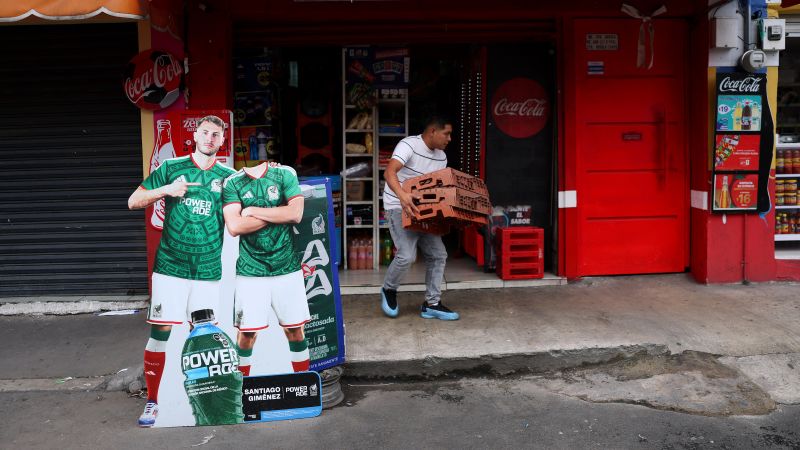
From cartels to street vendors – As the World Cup approaches, Mexico City is buzzing with activity, with the iconic colors of the national flag now dominating streets and storefronts. The tournament promises to bring a surge of international visitors, creating opportunities for both established and emerging businesses. From cartels to street vendors, the economic landscape is shifting, and the question remains: will these changes benefit everyone or leave some behind? Analysts estimate that the event could generate up to $3.7 billion in economic activity, with tourism driving significant growth. However, concerns persist about whether the wealth will trickle down to local communities and small enterprises.
Boosting Local Commerce Amid Global Spectacle
Businesses in Mexico City’s historic El Zocalo square are preparing to welcome fans, with vendors transforming their stalls to sell replica jerseys, themed snacks, and unique souvenirs. At Salon Corona, a popular match-watching spot, manager Miguel Laguna reports that the venue is already at full capacity, anticipating a 45-50% increase in customers during the tournament. “The excitement around the World Cup is translating into higher sales,” he says, noting that demand for food and drinks is rising sharply. For Alejandro Gonzalez, owner of Garage Burger, the event represents a chance to expand his reach. “From cartels to street vendors, we’re seizing the moment to connect with more people,” he adds, highlighting the entrepreneurial spirit driving local commerce.
Yet, not all small businesses feel equally optimistic. Nayeli, a kiosk manager in El Zocalo, fears that the fan fest zone will disrupt her operations. “Street closures and crowds concentrated in specific areas make it harder for us to compete,” she explains. Her concern underscores how the economic benefits of the tournament might not be evenly distributed, potentially overshadowing traditional local businesses in favor of large-scale concessions. Despite these challenges, many vendors remain hopeful, believing the World Cup could elevate their profiles and attract a broader customer base.
Crime Groups Capitalize on Soccer-Fueled Spending
While legitimate businesses aim to benefit from the influx of tourists, organized crime groups are also eyeing opportunities. Security experts warn that extortion could become a major strategy for criminal networks, targeting businesses that cater to international visitors. In resort areas like Cancun and Puerto Vallarta, where matches are not held but fans still flock for day trips, restaurants and hotels have historically been lucrative targets. “From cartels to street vendors, the same areas that thrive in tourism are vulnerable to exploitation by local gangs,” says Victoria Dittmar of InSight Crime. This duality highlights how the tournament’s economic promise coexists with the risk of criminal infiltration.
The Mexican government has issued alerts about fraud and scams, including counterfeit goods and fake ticket sales. Digital platforms mimicking live match broadcasts are expected to install malware on users’ devices, while hospitality packages and merchandise are targeted for forgery. These schemes, though not directly affecting fans, threaten the authenticity of the experience. Officials are urging consumers to verify vendors and remain vigilant, ensuring that the benefits of World Cup tourism are not undermined by criminal activity.
Urban Revitalization and Cultural Identity
Mexico City’s infrastructure is undergoing a transformation to accommodate the tournament, with streets near the fan fest zone being reconfigured and public spaces turned into viewing hubs. While this modernization may enhance the city’s global appeal, some residents worry that it could prioritize tourism over their daily needs. “From cartels to street vendors, the city is changing, and we’re not just here for the football,” Nayeli emphasizes. Her words reflect a broader tension between economic growth and cultural preservation, as the World Cup’s legacy may shape the city’s future in unexpected ways.
Amid these changes, Juan Carlos, an organ grinder in the capital, maintains that traditional elements of Mexican culture will endure. “The barrel organ has been part of this neighborhood for decades,” he says, demonstrating the timelessness of his craft. His perspective highlights how the tournament’s economic impact extends beyond commerce, blending global attention with local heritage. As the World Cup unfolds, the true test will be whether Mexico’s economy and culture can coexist in a way that benefits all stakeholders.
