
Some butterflies live 25 times longer than their relatives. Scientists are unlocking their secrets
Some Butterflies Live 25 Times Longer Than Relatives
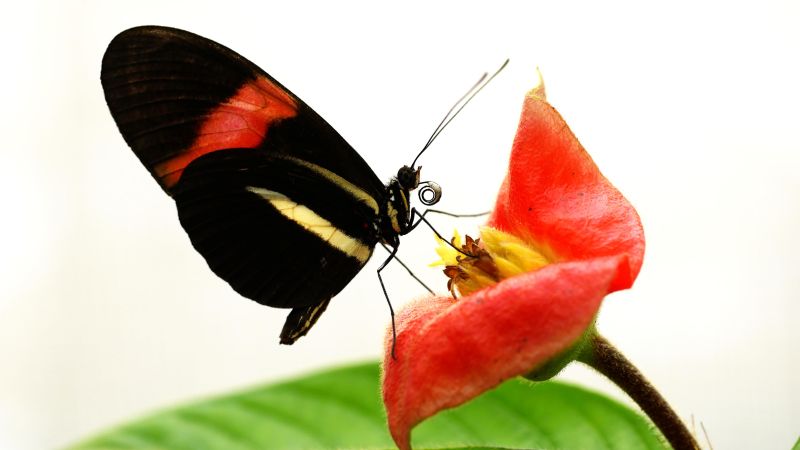
Some butterflies live 25 times longer – A recent study has uncovered a fascinating disparity in lifespan among butterflies, revealing that certain species can live up to 25 times longer than their smaller, shorter-lived counterparts. While most butterflies survive only a few weeks as adults, this research highlights how some tropical varieties defy expectations, showcasing extreme longevity that challenges previous assumptions about insect lifespans. The findings, published in *Nature Communications*, focus on the Heliconius genus, which includes species like Heliconius hewitsoni, known to thrive for over a year—nearly a quarter-century longer than the typical Dione juno, which lives just 14 days.
Evolutionary Mysteries in Insect Biology
Scientists have long puzzled over why some insects live so much longer than others. Dr. Jessica Foley, a postdoctoral scholar at Tufts University, explains that the Heliconius genus represents a unique case study in this regard. “We see vast differences in lifespan across the animal kingdom—adult mayflies live only a day, while some whales and sharks can live for centuries,” she said. “Understanding these variations in butterflies could shed light on broader biological principles, including the factors that influence healthy aging in humans.”
Heliconius butterflies stand out due to their ability to consume pollen as adults, a trait not common in most butterfly species. Unlike their nectar-feeding relatives, these butterflies derive energy from pollen, which provides lipids and amino acids essential for prolonged survival. This dietary shift may play a key role in their extended lifespans, though the exact mechanisms remain under investigation. Researchers are exploring whether this adaptation, combined with genetic traits, allows them to outlive other insects by significant margins.
Dietary Adaptation and Lifespan Differences
Traditionally, butterflies rely on nectar for sustenance, but Heliconius species have evolved to incorporate pollen into their adult diets. This change in feeding behavior is linked to their unusual longevity, as pollen offers more sustained energy compared to the quick-burn sugars in nectar. “The general strategy for insects is to reproduce rapidly and then perish,” Foley noted. “But Heliconius butterflies defy this pattern, suggesting they’ve developed strategies to prolong life beyond their typical peers.”
To study these differences, researchers employed a mix of controlled experiments and field observations. They measured the impact of diet, environmental factors, and genetic makeup on the lifespan of various Heliconius species. Notably, even when pollen was removed from the diet, these butterflies still lived longer than non-pollen-feeding relatives. This implies that their longevity is driven by a combination of factors, including evolutionary adaptations and physiological resilience.
Insights for Human Aging Research
The study’s implications extend beyond insect biology, offering potential insights for human longevity research. By examining the life cycles of Heliconius butterflies, scientists hope to identify biological pathways that could be applied to human aging. “If we can understand how these butterflies achieve such an extended lifespan, it might help us uncover new ways to support healthy aging in humans,” Foley added. The research also highlights the importance of studying insects with extreme longevity, as their unique traits may reveal secrets about cellular repair and metabolic efficiency.
Heliconius species are not the only butterflies with remarkable lifespans, but they remain the most well-documented. Other members of the genus exhibit longevity ranging from 106 to 277 days, which is still significantly longer than most other butterfly species. This variation within the genus provides a valuable model for exploring how different environmental and genetic factors influence lifespan. As the team continues their research, they aim to unlock the full potential of these findings for both ecological and medical applications.
