
DHS scraps plans to turn Georgia warehouse into detention mega center, city says
DHS Abandons Georgia Warehouse Conversion to Immigration Detention Hub
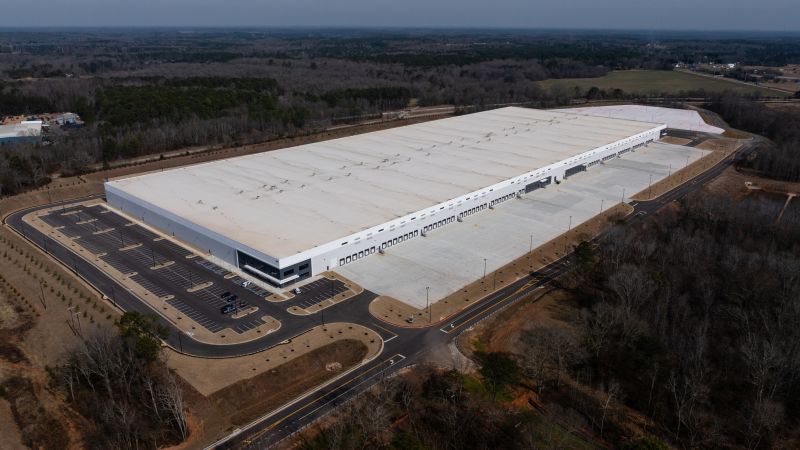
DHS scraps plans to turn Georgia – The Department of Homeland Security (DHS) has withdrawn its proposal to transform a warehouse in Social Circle, Georgia, into a large-scale immigration detention facility, according to a statement from the city’s officials. This decision marks a reversal of the Trump administration’s initial commitment to the project, which had been confirmed just four months prior. The local government expressed relief in a Thursday release, stating that it had been informed by Congressman Mike Collins that the federal agency no longer intends to proceed with the plan.
High Cost and Controversy
The federal government acquired the property for $128.5 million, a figure that significantly exceeds the $29.3 million it had previously sold the building for in 2023. This substantial increase in price has raised questions about the economic viability of the project, especially given the community’s strong opposition. The original blueprint for the facility envisioned a capacity to house up to 10,000 detainees, which would surpass the population of the entire city, alongside 2,000 to 2,500 staff members. Such a scale would require extensive infrastructure upgrades and place a heavy burden on local resources.
City leaders remain uncertain whether the property will be sold or repurposed for another use, though they expressed hope it would eventually return to private ownership. “We are optimistic that the property will be put back into the hands of local taxpayers, thereby bolstering the city’s economic foundation and securing its future,” the statement emphasized. The announcement has sparked a mix of reactions, with some residents welcoming the change and others anticipating potential future developments.
Political Backing and Community Resistance
Georgia’s two U.S. senators, Jon Ossoff and Raphael Warnock, both Democrats, have publicly endorsed the decision, citing the community’s united opposition to the plan. “From the start, Social Circle residents stood together against this initiative, which threatened to overwhelm the city’s systems,” Ossoff said in a statement. “This outcome reinforces the power of civic engagement and public advocacy.” Warnock echoed this sentiment, highlighting the city’s efforts to prevent the project from moving forward.
The plan faced immediate backlash in Social Circle, a town located in a county that strongly supported President Donald Trump in the 2024 election, where he secured over 70% of the vote. Residents argued that the detention center would disrupt daily life, strain local services, and raise concerns about the treatment of detainees. The controversy became a focal point for broader discussions about immigration policy and its impact on small communities.
Broader Impact on DHS Expansion Efforts
While the Social Circle project is suspended, it is part of a larger trend of DHS reconsidering its plans for seven recently purchased warehouses across the country. According to a report by The New York Times, the agency is scaling back its initiative to convert these properties into detention facilities, ranging from Roxbury, New Jersey, to Salt Lake City, Utah. The shift appears to align with changes in leadership within the department, as noted by a source who informed CNN in April that the program was reevaluated after Markwayne Mullin took over as Homeland Security secretary following Kristi Noem.
DHS has not yet provided detailed explanations for the change in direction, though a spokesperson highlighted the agency’s focus on expediting the removal of individuals deemed as “worst of the worst” criminal aliens. “Our goal has always been to swiftly remove dangerous offenders from American soil, not to house them indefinitely at taxpayer expense,” the statement read. The spokesperson also noted that the department is prioritizing existing detention spaces in collaboration with state and county partners, rather than pursuing new constructions.
Legal Challenges and Uncertainty
Several of the facilities targeted for conversion have become the center of legal battles, with lawsuits filed to halt the projects. As of Friday, the government had not submitted formal documents to the pending cases confirming its withdrawal from the plans. “We await confirmation from DHS before taking any further steps,” said Eric Biggart, a spokesperson for the Salt Lake County mayor’s office. “However, we are supportive of the sale of the warehouse, as it would benefit the local economy.”
Similar caution has been voiced in Oakwood, Georgia, a town just 40 miles from Social Circle. There, a warehouse was slated to be converted into a processing center for detainees. “We won’t accept this until there is an official announcement and a new owner or tenant is established,” stated Ari Mathé, a local attorney who has led the opposition to the Oakwood project. His comments underscore the skepticism surrounding the federal government’s commitment to the initiative, even as it appears to scale back its efforts in multiple locations.
Community and Economic Considerations
The decision to abandon the Social Circle plan has been welcomed by some as a victory for local autonomy, but others remain concerned about the long-term implications. While the city hopes the property will return to private ownership, the lack of clarity on its future use has left residents in a state of anticipation. “This is a positive step, but we need to ensure the community’s voice continues to shape the outcome,” said a local official, emphasizing the importance of transparency in the process.
Analysts suggest the change in direction reflects a strategic recalibration within the Trump administration, balancing the need for immigration enforcement with the pressures of public opinion. The shift also comes amid broader debates about the costs and benefits of expanding detention capacity. With the program’s budget exceeding $700 million, the agency’s decision to pause its plans may signal a reassessment of its approach to immigration policy.
Legacy of the Initiative
The original proposal for the Social Circle warehouse was part of a larger effort to increase immigration detention capacity, a goal that has been central to the Trump administration’s policies. However, the reversal in this specific case highlights the challenges of implementing such large-scale projects in politically divided regions. The city’s success in opposing the plan has set a precedent for other towns facing similar threats, demonstrating the power of grassroots movements in influencing federal decisions.
As the announcement spreads, it remains to be seen whether this will lead to a broader rethinking of the DHS’s expansion strategy. While the agency maintains its commitment to removing criminal aliens, the temporary halt of these projects could open the door to alternative approaches, such as partnerships with local governments or the use of existing infrastructure. The outcome of the pending lawsuits may also play a role in shaping the future of these facilities, adding another layer of uncertainty to the situation.
For now, the community of Social Circle is focused on the immediate relief of the decision. “This is a significant win for our residents,” said a city council member, “but we must continue to monitor how the federal government plans to use the property moving forward.” The hope is that the warehouse will once again serve as a hub for local businesses, rather than a symbol of federal overreach. As the dust settles, the story of Social Circle serves as a reminder of the complex interplay between national policy and local impact.
