
Read texts police say Kirk shooting suspect and former roommate exchanged, which prosecutors could use as key evidence
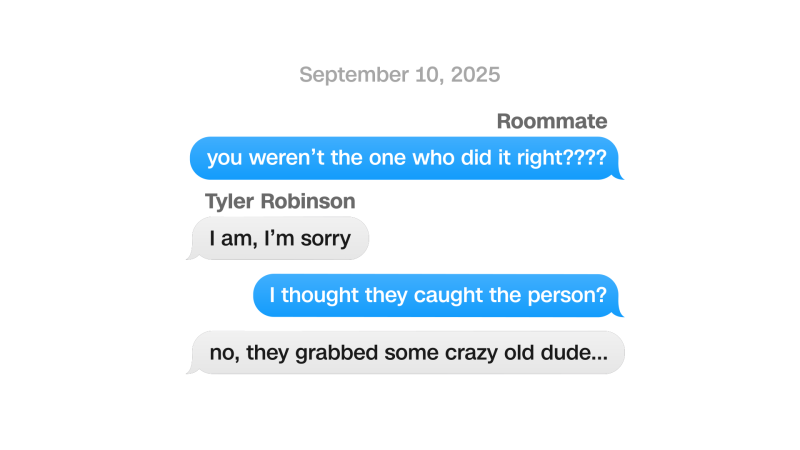
Read texts police say Kirk shooting suspect and former roommate exchanged, which prosecutors could use as key evidence
The Crime and Its Aftermath
Read texts police say Kirk shooting – This week, Tyler Robinson, the accused in the September 2025 murder of conservative activist Charlie Kirk, is appearing in court for a multi-day hearing where Utah prosecutors plan to present critical evidence against him. The shooting, which occurred on September 16, 2025, left Kirk dead, sparking widespread attention due to his prominent role in political discourse. Robinson, who was previously identified as Kirk’s roommate, is now facing charges that include premeditated murder and attempted assault. The case has drawn public interest, with legal experts and media outlets closely following the proceedings as they unfold in Salt Lake City.
According to prosecutors, the texts exchanged between Robinson and his former roommate on the day of the shooting reveal crucial insights into the events leading up to the fatal incident. These messages, which were made available to the public in charging documents released last year, outline conversations about a rifle, potential motives, and the careful planning that preceded the attack. The roommate is also described in the documents as Robinson’s romantic partner, suggesting a close relationship that may have influenced the circumstances of the crime.
The messages had previously been made public in charging documents, which also refer to the roommate as Robinson’s romantic partner, last year.
Evidence in the Prosecution’s Case
The texts are expected to serve as a cornerstone of the state’s case, providing a timeline of events and demonstrating Robinson’s intent to commit the crime. Prosecutors aim to use the messages to establish a direct link between the suspect and the planning of the attack, highlighting specific discussions about Kirk’s whereabouts, the weapon used, and the potential targets. Such evidence could help build a narrative of premeditation, which is essential for securing a conviction in a murder case.
In addition to the texts, other pieces of evidence, including witness testimonies and forensic reports, are likely to be presented during the hearing. However, the messages are considered particularly significant due to their detailed nature and the fact that they were shared with police by the roommate. This has raised questions about the reliability of the texts and the motivations behind their disclosure, with some analysts suggesting that the roommate may have cooperated to secure a lesser sentence or avoid being implicated in the crime.
The Role of Texts in Criminal Investigations
Text messages have become a vital tool in modern criminal investigations, offering real-time communication that can reveal hidden intentions and connections. In this case, the messages exchanged between Robinson and his roommate are seen as a window into the suspect’s mindset, providing prosecutors with a unique opportunity to illustrate the planning process. The content of the texts, which include references to the rifle and other logistical details, is expected to be scrutinized carefully to determine their relevance and impact on the case.
CNN has transcribed the texts, which were obtained from the charging documents, to provide a clearer understanding of the evidence being presented. The transcriptions highlight the suspect’s confidence in his actions and his attempts to justify the attack. For instance, one message appears to indicate that Robinson believed Kirk had “intentionally targeted him” in a previous argument, while another references a “strategic plan” to eliminate Kirk during a scheduled meeting. These snippets, though brief, are expected to play a pivotal role in shaping the jury’s perception of the suspect’s guilt.
Public Reaction and Legal Implications
The release of the texts has generated mixed reactions from the public and legal community. While some view them as compelling evidence that supports the prosecution’s case, others argue that they could be interpreted as a confession or a motive that complicates the narrative. The roommate’s role as both a witness and a potential accomplice has also sparked debate, with experts noting that her cooperation may have been influenced by personal stakes in the case.
As the hearing progresses, the focus will remain on the credibility of the texts and their ability to establish a clear chain of events. The prosecution’s strategy involves not only presenting the messages but also cross-examining the roommate to confirm their accuracy and intent. Meanwhile, Robinson’s defense team is anticipated to challenge the evidence, possibly arguing that the texts were taken out of context or that the roommate had ulterior motives for sharing them.
The case has also drawn attention to the broader implications of using digital communication as evidence in criminal trials. With the rise of smartphones and instant messaging, prosecutors now have access to a wealth of information that can be used to build cases against suspects. However, this raises concerns about privacy and the potential for misinterpretation of messages that may be taken out of context.
Background on the Victim and Suspect
Charlie Kirk, the victim of the shooting, was a well-known conservative figure and activist who had gained significant traction in political circles. His death has been attributed to a combination of personal and ideological motivations, with the texts suggesting that Robinson felt personally wronged by Kirk’s public statements or actions. Kirk’s influence in conservative movements has made the case a focal point for discussions about political extremism and the role of individual responsibility in public activism.
Tyler Robinson, the suspect, has not yet given a detailed account of his actions during the shooting. However, the texts provide a glimpse into his preparations and possible justifications. The roommate, who is also a key witness, has been described as having a close relationship with Robinson, which may have contributed to the decision to share the messages with law enforcement. This dynamic adds a layer of complexity to the case, as it blurs the line between personal and professional motivations.
Impact on the Trial and Public Perception
As the trial moves forward, the texts are likely to be central to the arguments presented by both the prosecution and the defense. Prosecutors will emphasize the messages as proof of Robinson’s premeditated plan, while the defense may argue that the texts reflect a moment of anger rather than a deliberate act of violence. The jury’s interpretation of the evidence will be critical in determining the outcome of the case, which has already become a high-profile event in Utah’s legal system.
Public perception of the case has been shaped by the availability of the texts, with many media outlets analyzing the content for clues about the suspect’s mindset. The messages have also fueled discussions about the role of personal relationships in criminal behavior, as they suggest that Robinson’s actions were not only planned but also influenced by his close ties to the roommate. This has led to calls for a deeper examination of the social and emotional factors that may have contributed to the crime.
Broader Context and Future Developments
The trial of Tyler Robinson is part of a larger conversation about the use of technology in criminal investigations. As law enforcement agencies increasingly rely on digital evidence, the case sets a precedent for how such information will be handled in future trials. The texts, in particular, demonstrate the power of instant messaging to capture the exact details of a crime, offering a level of transparency that was previously unattainable.
With the hearing now in progress, the focus is on establishing the validity of the texts and their ability to support the prosecution’s claims. The courtroom is expected to be filled with spectators and journalists, eager to witness the unfolding of the case. As the evidence is laid out, the narrative surrounding the shooting and its aftermath will continue to evolve, shaping the public’s understanding of the events and the individuals involved.
The case may also have
