
Supreme Court allows Texas to require age verification for mobile apps
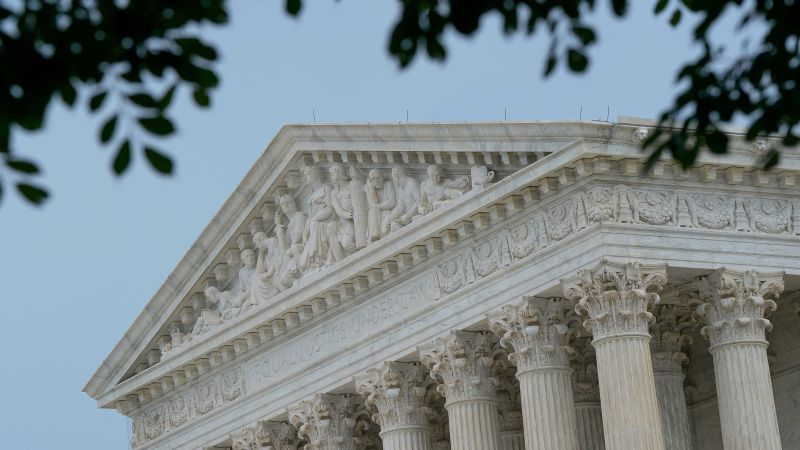
Supreme Court Allows Texas to Mandate Age Verification for Mobile Applications
Supreme Court allows Texas to require – The U.S. Supreme Court has ruled in favor of Texas, permitting the state to implement a law requiring mobile app stores to confirm the age of users before allowing them to install applications. This decision, issued on Monday, permits Texas to enforce its regulation, which mandates that platforms verify users’ ages and secure parental approval for minors attempting to download software. The law, passed last year, aims to address concerns about the online safety of young users, particularly in the context of increasing digital activity among children.
The Legal Framework and Rationale
Texas’ legislation was introduced as a response to growing fears about the exposure of minors to inappropriate content through mobile applications. The state argued that without age verification, children could access material unsuitable for their developmental stage, potentially leading to privacy issues or exposure to harmful online environments. The law, however, has sparked debate over its impact on free speech, with opponents claiming it infringes on the First Amendment rights of users and developers.
At the heart of the dispute is the requirement for app stores to collect age information from users and obtain parental consent for minors. This process, according to Texas, ensures that children are aware of the terms they agree to when using apps, including data tracking, privacy protections, and the potential sale of their information. The state emphasized that the law promotes transparency and accountability, making users more conscious of the digital agreements they accept.
Industry and Youth Advocates Challenge the Rule
The computer industry and a coalition of student advocates have opposed the Texas law, arguing that it imposes an unnecessary burden on users and restricts their ability to access a wide range of digital content. In a brief submitted to the Supreme Court, the Computer & Communications Industry Association (CCIAs), which includes major tech companies like Apple and Google, warned that the law could effectively prevent young people from engaging with materials such as classic literature, popular music, or educational resources. “Be it a book by Ernest Hemingway or J.K. Rowling, a Taylor Swift album, or a subscription to National Geographic,” the CCIAs stated, “the law would limit the freedom of minors to explore digital speech.”
“A minor child who downloads a software application from an app store agrees to contractual terms of service, including whether the child’s location will be tracked, whether the child’s privacy will be protected, whether information from the child’s phone can be sold by the developer, and whether the child waives the right to sue.”
This quote, included in Texas’ argument to the Supreme Court, underscores the state’s belief that the law is a reasonable measure to ensure that minors are bound by the same contractual obligations as adults. However, critics argue that such verification processes could stifle innovation and creativity, particularly for apps that offer educational or recreational content to younger audiences.
Precedent and Judicial Consistency
The Supreme Court’s decision in this case aligns with a previous ruling from the same summer, where the court allowed Mississippi to enforce a similar law requiring social media platforms to verify user ages and obtain parental consent for minors. In that instance, the court did not provide an explanation for its ruling, though Justice Brett Kavanaugh, part of the conservative majority, noted that the Mississippi law might be “likely unconstitutional” in a brief concurrence. He argued that the companies challenging the law had not adequately demonstrated the harm they would face under a temporary order.
Unlike the Mississippi law, which targeted specific platforms, Texas’ regulation applies to all mobile applications available on its app stores. This broader scope has led to concerns that the law could have far-reaching implications for digital privacy and free expression. The previous case involving Mississippi, while significant, was limited in its scope, focusing on social media giants rather than the entire app ecosystem.
Legal Proceedings and the Emergency Appeal
The Texas law faced immediate legal challenges, with a federal district court issuing an injunction that blocked its enforcement in December of last year—just days before the regulation was set to take effect. This temporary halt allowed app developers and users to contest the law’s constitutionality. However, in early June, a three-judge panel of the conservative 5th U.S. Circuit Court of Appeals overturned the injunction, granting Texas the authority to enforce its requirements. This decision provided a reprieve for the state, allowing it to proceed with implementation while the case moved forward.
On Monday, the Supreme Court declined to review the emergency appeal from the opposing groups, leaving the 5th Circuit’s ruling in place. The court’s decision to not intervene in the appeal has raised questions about the broader implications of the law. While the ruling permits Texas to enforce the age verification mandate, it does not resolve the underlying constitutional issues. The case remains open, with the potential for further litigation and eventual resolution through a full trial.
Historical Context and Implications
Texas’ current effort is part of a larger trend of states seeking to regulate online content for minors. Last year, the Supreme Court upheld a separate Texas law requiring age verification for pornographic websites, a decision that was met with criticism from the adult entertainment industry. They argued that the law violated the First Amendment by limiting adults’ access to protected online speech. In that case, Justice Clarence Thomas authored the majority opinion, with the court’s three liberal justices dissenting. The ruling highlighted the ideological divide among the justices, as well as the complexity of balancing free speech rights with parental control.
The recent decision on mobile apps reinforces this pattern of judicial divergence. While the Texas law is more expansive in its application, the Supreme Court’s lack of explanation in both cases suggests a willingness to defer to state legislation on digital regulation. This approach may set a precedent for future laws aimed at protecting minors, potentially influencing other states to adopt similar measures.
Broader Impact on Digital Privacy and Innovation
Supporters of the Texas law contend that it empowers parents to make informed decisions about their children’s online activity, ensuring that minors are not exposed to content that could negatively impact their development. However, opponents warn that the law’s enforcement could create a “chilling effect” on digital innovation, as developers may be incentivized to design apps that cater exclusively to adults to avoid compliance costs. This concern is particularly relevant in an era where mobile applications play a central role in education, communication, and entertainment for young users.
The law also raises questions about the extent of data collection and how it affects minors’ privacy. By requiring age verification, app stores may gain access to sensitive information about users’ identities and usage patterns. While this data can be used to tailor content, it also opens the door to potential misuse, especially if not properly regulated. The Supreme Court’s decision to allow the law to proceed temporarily means that these issues will continue to be scrutinized as the regulation is implemented.
As the legal battle continues, the outcome of this case could shape the future of digital privacy and free speech in the United States. Whether the Texas law is seen as a necessary safeguard for minors or an overreach into individual rights, its enforcement marks a pivotal moment in the ongoing dialogue about online regulation. The Supreme Court’s stance on this issue will likely influence how other states approach similar challenges in the digital age.
