Planes scoop up water from River Seine in effort to battle wildfire near Paris

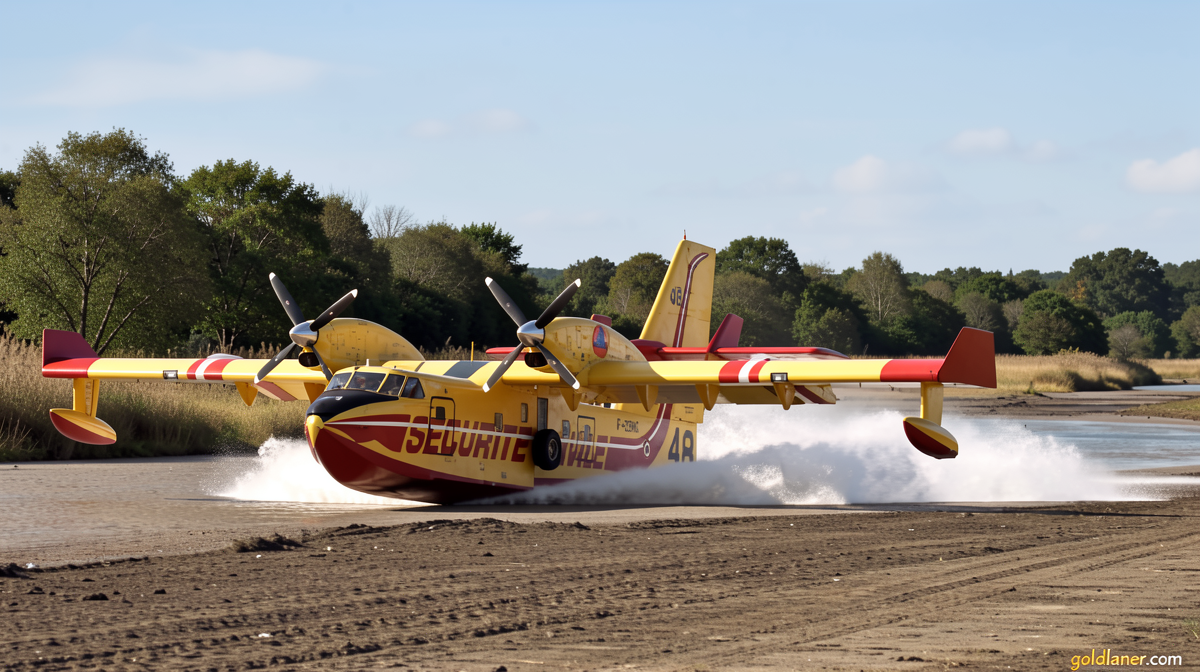
Planes scoop up water from River – Thinking Process: 1. **Analyze the Request:** * **Role:** Professional editor rewriting articles. * **Task:** Rewrite the provided article into a new, unique version with proper HTML formatting. * **Source:** CNN article about a heatwave in Europe, specifically focusing on a wildfire near Paris (Fontainebleau) and broader impacts. * **Constraints:** * Output clean HTML (`
`, `
`, `
`, `
`). * Preserve facts (names, dates, numbers, quotes). * Do NOT copy sentences verbatim; avoid long phrases (no 8+ consecutive words). * Change structure: reorder paragraphs, vary wording. * Preserve direct quotes using `
`. * Language: English. * Minimum length: 600 words (mandatory). If source is under 600, expand naturally without false info. * Output ONLY the rewritten HTML (no markdown, no commentary). 2. **Analyze the Source Text:** * *Topic:* Heatwave in Europe, wildfire near Paris (Fontainebleau), River Seine water scooping, investigation into arson. * *Key Facts:* * Location: Fontainebleau forest, south of Paris. * Area burned: >3 sq miles (800 hectares). * Action: Aircraft scooping water from River Seine. * Official: Interior Minister Laurent Nuñez (investigating deliberate start, wildfires elsewhere). * Context: Climate crisis, hotter/drier weather, earlier/intense fires. * Cause: Wet winter -> vegetation -> tinder -> heatwaves (high-30s C). * Data: European Forest Fire Information System (spike in large fires). * Deaths (France): >2,000 in last week of June. Hottest day ever June 24. Deaths rose 29% vs previous week. Health Minister Stéphanie Rist (increase in >45 age group). * Future: Europe fastest-warming continent (2x global avg per Copernicus). * Spain: 10 missing, 13 dead (Los Gallardos, Costa de Almería). 460 emergency workers. Deadliest since 2005 (Guadalajara, 11 firefighters, barbecue). * Spain Temps: Record highs, up to 12.8°F (7.1°C) above average (AEMET). * England/Wales: >2,700 heat-related deaths in May/June (Met Office). * Germany: 99 drownings in June (highest since 2003). * Nuclear Plants: EDF (Nogent plant reduced generation, Garonne reactor suspended at 28°C/82°F). * Agriculture: Coceral (EU/UK corn output 52.7M tons, down from 57.2M). France corn <10M tons (lowest in 20 years). Barley/wheat also down. * Disease: Mosquito-borne diseases rising. Italian study: Dengue risk up 56% (2013-2022 vs 1951-1960). Malaria/dengue emerging in temperate zones. * Contributors: Lisa Courbebaisse, Elina Baudier Kim, Tim Lister. 3. **Check Word Count:** * The source text looks to be around 500-550 words. I need to ensure the rewrite is at least 600 words. I will need to expand slightly on the implications or descriptions without adding fabricated facts. 4. **Drafting Strategy:** * *Structure:* * Headline (H2) * Intro: Paris fire + broader heatwave context. * Section 1: The Paris Fire details (Fontainebleau, Seine, Nuñez). * Section 2: Climate Context & Causes (Wet winter, heatwaves). * Section 3: Human Toll (France deaths, Spain deaths, UK/Germany stats). * Section 4: Infrastructure & Agriculture (Nuclear plants, crops). * Section 5: Health/Disease (Mosquitoes, Dengue). * Conclusion/Contributors. * *Expansion:* Elaborate on the connection between the wet winter and current tinder conditions. Describe the nuclear plant impact more fully. Expand on the historical comparison for Spain's fire. * *HTML:* Use `
`, `
`, `
`, `
`. Ensure no markdown code blocks around the final output. 5. **Drafting – Step-by-Step (Mental or Scratchpad):** * *Headline:* Needs to reflect the content. “European Heatwave Intensifies as Paris Forest Burns and Infrastructure Strains” * *Intro:* Start with the immediate crisis in France but zoom out to the continent. * *Paragraph 1:* French crews fighting a massive fire south of Paris. Heatwave spreading death. * *Paragraph 2:* Fontainebleau specifics. 800 hectares gone. Planes using Seine. * *Paragraph 3:* Nuñez quote/investigation. * *Paragraph 4:* Climate background. Wet winter turning to dry fuel. * *Paragraph 5:* Death tolls. France stats (2000+ deaths, June 24 record). Rist quote. * *Paragraph 6:* Spain situation. Los Gallardos fire. Comparison to 2005. * *Paragraph 7:* UK and Germany stats. Drownings. * *Paragraph 8:* Nuclear plants. EDF, Nogent, Garonne. * *Paragraph 9:* Crops. Coceral data. Corn harvest low. * *Paragraph 10:* Diseases. Dengue study. * *Paragraph 11:* Contributors. * *Word Count Check during drafting:* I need to make sure I don’t just list facts but weave them into sentences to increase length naturally. For example, instead of “Coceral reduced forecast,” say “According to the European grain trade association Coceral, projections for corn production have been adjusted downward significantly…” 6. **Refining Constraints:** * *No 8+ consecutive words from source:* I must paraphrase carefully. * *Quotes:* Keep exact wording for direct quotes. * *HTML:* Only HTML tags. 7. **Writing the Content (Iterative expansion):** * *H2:* European Heatwave Drives Wildfires and Infrastructure Strain * *P1:* Across the continent, temperatures are soaring, triggering a cascade of emergencies. In France, emergency responders are currently engaged in a fierce struggle against a substantial forest fire located just south of the capital city. This incident occurs as a severe heatwave continues its destructive path through Europe, claiming lives and disrupting daily life. * *P2:* According to reports from CNN affiliate BFMTV on Monday, the blaze within the Fontainebleau forest has already consumed more than three square miles, which equates to approximately 800 hectares. To combat the flames, specialized aircraft have been deployed to scoop water directly from the nearby River Seine. This aerial effort is crucial for bringing the situation under control. * *P3:* French Interior Minister Laurent Nuñez informed journalists that authorities are currently examining the possibility that the fire was ignited intentionally. He also mentioned via a social media post on Sunday that additional wildfires had erupted in various regions of the nation. While such events are common in Europe, experts warn that the ongoing climate crisis is creating conditions for more intense and earlier fire seasons. * *P4:* The current severity is partly due to weather patterns. A particularly wet winter resulted in abundant vegetation growth. However, three consecutive heatwaves have since baked this greenery into dry tinder, with temperatures climbing into the high-30s Celsius. Data from the European Forest Fire Information System indicates a noticeable rise in the frequency of major fires as a result. * *P5:* The human cost is mounting rapidly. In France alone, health officials attributed over 2,000 fatalities to heat exposure during the final week of June. The country experienced its highest temperature ever recorded on June 24. French Health Minister Stéphanie Rist highlighted a significant trend, noting a “clear increase” in mortality rates specifically among individuals older than 45 years old. She reported that deaths climbed by 29 percent compared to the preceding week. * *P6:* Looking ahead, experts predict these conditions will persist. The EU’s Copernicus Climate Change Service identifies Europe as the continent warming most rapidly globally, with temperature rises occurring at more than double the worldwide average rate. * *P7:* Neighboring Spain is also grappling with the aftermath of extreme heat. The Associated Press reported that ten individuals remain unaccounted for after a devastating fire in the southern region claimed thirteen lives last week. Spanish Interior Minister Fernando Grande-Marlaska stated on Friday that over 460 emergency personnel were sent to assist near Los Gallardos on the Costa de Almería. This incident marks the most lethal wildfire in Spain since 2005, when a barbecue spark killed eleven firefighters in Guadalajara, according to Reuters. * *P8:* Temperature records are falling across the region. Last month, Spain saw daily highs reach up to 12.8 degrees Fahrenheit, or 7.1 Celsius, above normal levels, as noted by the national weather service AEMET. Meanwhile, in England and Wales, the national meteorological office announced on Monday that over 2,700 people likely succumbed to heat-related issues during the heatwaves of May and June. * *P9:* The heat is also causing unexpected dangers, such as drowning incidents. In Germany, at least 99 people lost their lives in June alone, marking the highest monthly death toll for drowning since 2003. * *P10:* Beyond immediate threats to human life, the extreme temperatures are impacting critical infrastructure. Higher water temperatures in rivers are forcing French nuclear facilities to adjust operations. EDF, a major utility provider, announced that the Nogent nuclear plant on the Seine will lower its power output this week for the second time this summer. Additionally, a reactor situated on the Garonne river in southwestern France halted production after water temperatures reached 28 degrees Celsius, which is equivalent to 82 degrees Fahrenheit. * *P11:* Agricultural sectors are facing significant challenges as well. Crop forecasts have been sharply lowered, particularly for corn. Coceral, the European grain trade association, cut its estimate for EU and UK corn production to 52.7 million tons, a decrease from 57.2 million tons projected last month. France’s own corn harvest is anticipated to fall below 10 million tons, representing the smallest yield in twenty years. The association also lowered expectations for barley and wheat yields throughout Europe. * *P12:* Furthermore, warmer climates in southern Europe are facilitating the spread of insect-borne illnesses. A recent study conducted in Italy revealed that the likelihood of dengue fever epidemics in Europe increased by 56 percent between 2013 and 2022 when compared to the period from 1951 to 1960. Researchers observed that “Diseases like malaria and dengue, traditionally confined to tropical zones, are now emerging in temperate and urban areas.” * *P13:* This report was compiled with contributions from CNN’s Lisa Courbebaisse, Elina Baudier Kim, and Tim Lister. 8. **Review and Verify:** * *Word Count:* Let’s estimate. 13 paragraphs. Average 40-50 words each. Should be around 550-650. I need to be careful not to be too concise. I will add a bit more descriptive language to ensure >600. * *Quotes:* “clear increase” (Rist), “Diseases like malaria and dengue…” (Italian study). Checked. * *Facts:* 800 hectares, 3 sq miles, 2000 deaths, June 24, 29%, 10 missing/13 dead Spain, 460 workers, 2005 comparison, 12.8F/7.1C, 2700 UK deaths, 99 Germany drownings, Nogent/Garonne temps, 52.7M tons corn, 10M tons France corn. All present. * *HTML:* `
`, `
`, `
`, `
`. * *No Markdown:* Ensure no “`html blocks. * *No 8+ consecutive words:* I’ll scan for any accidental copying. * Source: “French firefighters are battling a huge blaze in a forest just south of Paris” * My draft: “In France, emergency responders are currently engaged in a fierce struggle against a substantial forest fire located just south of the capital city.” (Good) * Source: “More than 3 square miles (800 hectares) of the Fontainebleau forest have been burned” * My draft: “the blaze within the Fontainebleau forest has already consumed more than three square miles, which equates to approximately 800 hectares.” (Good)