
OPEC is in a struggle for its survival. It could mean $40 oil
OPEC’s Survival Battle: The $40 Oil Dilemma
OPEC is in a struggle for its – The recent Iran conflict has reignited deep-seated disagreements within OPEC, the influential alliance of oil-producing nations, exposing a fundamental challenge to its stability. As the Strait of Hormuz began to clear, the group found itself at a crossroads, with some members pushing for increased production to regain lost market share. This tension, however, echoes an ongoing rift that has simmered for years, threatening to reshape the organization’s future. The United Arab Emirates, a key OPEC player, had already withdrawn from the group in April, signaling a shift in the dynamics of the cartel. Now, the question remains: Will OPEC endure, or will it fracture under the weight of competing priorities?
The Perfect Storm of Supply and Demand
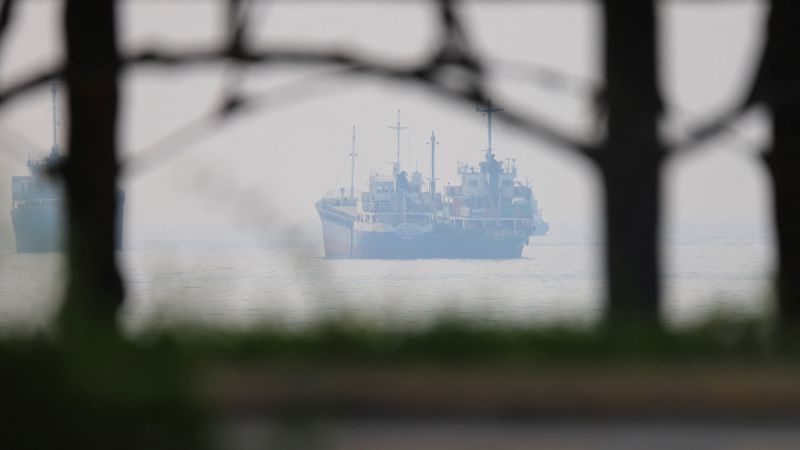
During the spring, the world experienced its most severe oil supply disruption in decades. The closure of the Strait of Hormuz, a vital maritime chokepoint, cut off a fifth of global oil flow, creating an urgent need for alternative routes. While OPEC nations like Saudi Arabia managed to maintain output through pipelines, others—particularly Iraq and Kuwait—were forced to reduce production. This period of crisis revealed the fragility of the cartel’s supply management strategy, as members grappled with balancing immediate needs against long-term economic goals.
Global demand, already shaken by the war, has yet to fully recover. In China and Europe, the push toward electrification accelerated during the spring, reducing reliance on fossil fuels. Meanwhile, petroleum stockpiles in key regions plummeted, creating an opportunity for OPEC to stabilize prices. Yet, with production quotas under scrutiny, the group must navigate a delicate tightrope between supporting its members and keeping prices from collapsing.
Production Quotas: A Point of Contention
At the heart of OPEC’s internal conflict lies the issue of production quotas. These targets, which dictate how much oil each member can extract, have long been a source of friction. The United Arab Emirates’ exit in April highlighted the growing dissatisfaction among members who feel the quotas are too restrictive. Now, Iraq is poised to test the limits of this system, with its oil minister indicating that the country might leave OPEC if output targets aren’t significantly raised. This potential departure could destabilize the cartel further, especially as Iraq’s production dropped by 75% to just over 1 million barrels per day during the war.
Saudi Arabia, the group’s largest member, has remained a stabilizing force. Unlike Iraq and Kuwait, which depend on the Persian Gulf’s ports, the Saudis bypassed the strait entirely by shipping oil via pipelines to the Red Sea. This flexibility allowed them to maintain a relatively steady supply, with production declines limited to less than 40%. The country’s ability to weather the crisis without drastic measures underscores its central role in OPEC’s survival. As one industry analyst noted, “Saudi Arabia’s position is critical because it controls the pace of supply adjustments.”
Strategic Decisions and Market Consequences
OPEC now faces a pivotal decision: should it prioritize unity and flood the market with oil, or focus on profitability and risk fragmentation? If the group agrees to boost production, it could trigger a sharp drop in prices, potentially pushing them below $40 per barrel. This outcome would be devastating for members like Iraq, which is seeking to return to pre-war levels of output. However, if production remains restrained, prices could stabilize, offering a lifeline to cash-strapped nations.
“The motivation is clear—cash flow is essential for survival,” remarked Jay Hatfield, CEO of Infrastructure Capital Advisors. Yet, the timing of this decision is crucial. With global demand still recovering, an overzealous supply increase might outpace consumption, leading to a temporary glut. This scenario could leave the market oversupplied, especially as emergency stockpiles in the U.S. and China shrink. As Natasha Kaneva of JPMorgan pointed out, “The market risks a surplus as trapped oil re-enters a system that has adapted to functioning without it.”
The Role of OPEC+
OPEC’s actions are being watched closely by OPEC+, a broader alliance that includes Russia and other non-OPEC producers. This weekend, the group agreed to a modest 188,000 barrel increase in output, the fifth incremental step since March. While this decision signals caution, it also hints at the possibility of larger adjustments in the future. The gradual approach reflects a balance between addressing supply gaps and avoiding a price collapse.
For many OPEC members, the war has been a wake-up call. Iraq, which lost nearly 4 million barrels per day in production during the crisis, now aims to produce 5 million barrels daily by the end of the conflict. This goal, though ambitious, highlights the urgency of restoring oil flow. However, without sufficient demand to absorb the additional supply, the risk of a price war looms large. “If OPEC pushes production too fast, it could destroy profits at a time when the region needs them most,” warned Dan Pickering, founder of Pickering Energy Partners.
A Fragile Equilibrium
With the Strait of Hormuz partially reopened, the focus has shifted to how OPEC will manage its production strategy. The group’s ability to coordinate effectively will determine whether it can sustain its influence in the global energy market. For now, Saudi Arabia’s leadership offers a glimmer of hope, but its willingness to support other members remains uncertain. The country’s position as a major supplier means its decisions will have far-reaching consequences.
Meanwhile, the broader energy landscape continues to evolve. The shift toward renewable energy in China and Europe has already begun to reshape long-term demand trends. If these transitions accelerate, the pressure on OPEC to maintain high prices may diminish. Yet, the cartel’s survival hinges on its ability to adapt to these changes. “OPEC must act strategically, or it risks being left behind in the transition to a cleaner energy future,” said an industry expert. The coming months will test the alliance’s resilience, as it strives to reconcile its members’ interests with the demands of the global market.
As the world watches OPEC’s next moves, the stakes have never been higher. A successful resolution of the cartel’s internal conflicts could ensure its continued relevance in the oil market. Conversely, a breakdown in cooperation might lead to a new era of competition, with prices plummeting and the group’s influence waning. The outcome of this struggle will not only determine the fate of OPEC but also shape the future of global energy economics. In this high-stakes game, the path forward is as uncertain as the oil prices that hang in the balance.
