
Oldest known evidence of plague reveals the disease’s deadly impact 5,500 years ago
Oldest Known Evidence of Plague Unearths Disease’s Devastating Impact 5,500 Years Ago
Oldest known evidence of plague reveals – Recent analysis of ancient DNA extracted from burial sites in southeastern Siberia has uncovered previously unidentified strains of plague, challenging long-held assumptions about its historical spread. These findings, detailed in a groundbreaking study published in the journal Nature on Wednesday, suggest that the bacterium Yersinia pestis—responsible for some of humanity’s most lethal epidemics—may have affected prehistoric hunter-gatherers far earlier than previously thought. The discovery provides critical insights into how the disease devastated communities 5,500 years ago, reshaping our understanding of its origins and transmission.
Ancient Burials Hold Clues to Plague’s Ancient Roots
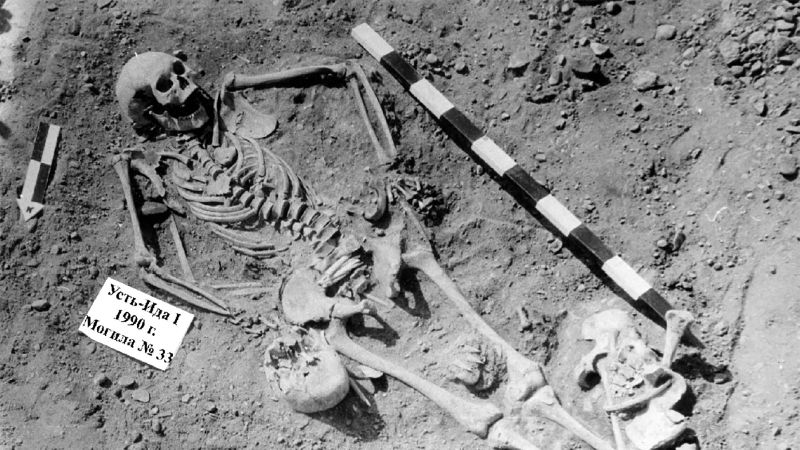
The research team, examining remains from the Lake Baikal region, stumbled upon the plague evidence while investigating a different mystery: the sudden disappearance of a group of people from ancient cemeteries. Two of the largest burial sites in the area revealed an unusually high number of children and adolescents, with no signs of trauma or clear causes of death. This anomaly sparked a deeper inquiry into the genetic material preserved in the bones, leading to the revelation of Yersinia pestis in 18 out of 46 individuals.
The presence of the plague bacteria in these remains, coupled with a genetic marker linked to increased disease severity, has raised intriguing questions about the vulnerability of early human populations. Until now, the earliest known strains of the pathogen were dated to approximately 3,800 years ago, but this new evidence pushes the timeline back significantly. Scientists had previously believed that older strains lacked the genetic adaptations necessary for large-scale outbreaks, suggesting they might not have caused widespread mortality. However, this study appears to overturn that belief.
Revisiting theories on Plague Transmission
Lead author Ruairidh Macleod, a research fellow at the University of Oxford in the UK, highlighted the study’s implications during a press briefing on Tuesday. “Hunter-gatherers are constantly moving across the landscape,” Macleod explained. “The theory is that infectious diseases can’t really take hold and devastate communities in this way. Typically, if someone falls ill, they would relocate, preventing the spread of illness. The fact that we’re finding this happening in an isolated group of prehistoric hunter-gatherers challenges that epidemiological theory.” This revelation suggests that the disease might have spread more rapidly among mobile groups than previously believed.
Archaeologists have been studying these cemeteries for decades, uncovering layers of human history. The region’s abundant resources, including fish-rich waters, supported these communities for generations. The burial practices—placing the dead near their living spaces—indicate a cultural tradition of communal remembrance. However, the discovery of plague bacteria in so many individuals challenges the idea that such practices were solely symbolic. It implies that the disease might have played a central role in their lives, even as they moved between locations.
Combining Science and Archaeology for a New Perspective
The study’s authors employed a multidisciplinary approach to piece together the story of these ancient outbreaks. Advanced DNA sequencing techniques, alongside in-depth archaeological analysis and radiocarbon dating, allowed researchers to reconstruct events with remarkable precision. “There was very clear radiocarbon evidence that this mass mortality event occurred over a very short period,” Macleod noted. “All these deaths happened simultaneously, suggesting a rapid and severe outbreak.”
Further investigation into the genetic relationships among the buried individuals revealed patterns that support the plague’s spread within families. In some graves, siblings, parents, and children were interred together, indicating that the disease likely passed from one generation to another. This close-knit structure may have accelerated transmission, as care for the sick could have facilitated close contact. Conversely, other graves showed relatives buried separately, possibly due to deaths occurring in distinct waves of the disease. These observations imply that the plague might have recurred in the region, with two outbreaks separated by a few centuries.
Implications for the History of Plague
The findings add to a growing body of evidence that is reshaping the narrative of plague’s origins. Before this discovery, scientists had struggled to pinpoint the exact time and place where Yersinia pestis first emerged as a human pathogen. The bacterium is known to have spread through fleas on livestock, but the lack of clear evidence for earlier strains left gaps in our understanding. This new data suggests that the disease might have originated in human populations long before its association with animals, or that the transition from animal to human hosts occurred much earlier than previously assumed.
According to the study, the plague strain identified in the Siberian remains may have infected up to 39% of the population in the region at the time. This high infection rate is surprising, given the mobility of hunter-gatherer societies. Ian Light-Maka, a postdoctoral associate at the Max Planck Institute for Infection Biology in Berlin, remarked, “The authors are able to detect Y. pestis infections at a rate of 39% across the cemeteries investigated—this is astoundingly high and certainly has the potential to rewrite how we understand early infections of the pathogen.” The results challenge existing models of disease spread, suggesting that even nomadic groups could be susceptible to pandemics.
Reconstructing the Past Through Genetic Evidence
Genetic research not only identified the presence of Yersinia pestis but also shed light on the interconnectedness of the buried individuals. By analyzing the kinship ties within the cemeteries, scientists determined that the disease likely spread within families, possibly through care practices or shared living spaces. This discovery highlights the role of social structures in disease transmission, a factor that had been overlooked in earlier studies.
The study also raises questions about the adaptability of the plague bacteria. The genetic markers found in the ancient samples suggest that the strain had already evolved to cause severe illness, contradicting previous assumptions that older strains were less virulent. This insight could explain how the disease managed to spread rapidly in isolated communities, even before its association with fleas and rodents. The findings may also provide a link between the ancient outbreaks and later pandemics, such as the Black Death in the 14th century, which is estimated to have killed 25 million people over five years.
Experts believe this research could help clarify the origins of the plague in human history. While the bacterium is known to have devastated populations in later centuries, its early impact on hunter-gatherers offers a new chapter in the story. The combination of genetic and archaeological data paints a vivid picture of how the disease may have influenced ancient societies, altering their dynamics and contributing to population declines. This evidence underscores the importance of ancient DNA in bridging the gap between historical records and biological insights, offering a deeper understanding of humanity’s long-standing battle with infectious diseases.
A New Frontier in Paleopathology
As researchers continue to analyze the genetic material from these cemeteries, they hope to uncover more about the environmental and cultural factors that facilitated the plague’s spread. The study’s implications extend beyond the Lake Baikal region, potentially influencing theories about the global history of Yersinia pestis. By examining the interplay between human movement, social structures, and microbial evolution, scientists may develop a more comprehensive model of how diseases like plague have shaped human civilization over millennia.
This discovery also emphasizes the importance of preserving and studying ancient remains. The cemeteries, which have been excavated for decades, now hold a unique place in the history of epidemiology. The ability to detect the plague in such an early timeframe could redefine how we view the evolution of infectious diseases, particularly their role in prehistoric societies. As Macleod explained, the findings challenge the idea that mobility inherently limits the spread of disease, suggesting that even the most nomadic communities could be vulnerable to pandemics.
With more research, the evidence from these ancient burials may provide a clearer timeline for the emergence of Yersinia pestis as a human pathogen. The study’s authors argue that the high infection rate observed in the Lake Baikal region indicates a more complex history of the disease, one that spans thousands of years and involves both human and animal hosts. These revelations not only deepen our understanding of ancient health crises but also offer a fresh perspective on the resilience and adaptability of early human populations in the face of deadly pathogens.
