
‘It’s literally going to break me.’ Commuting is now unaffordable for some American workers
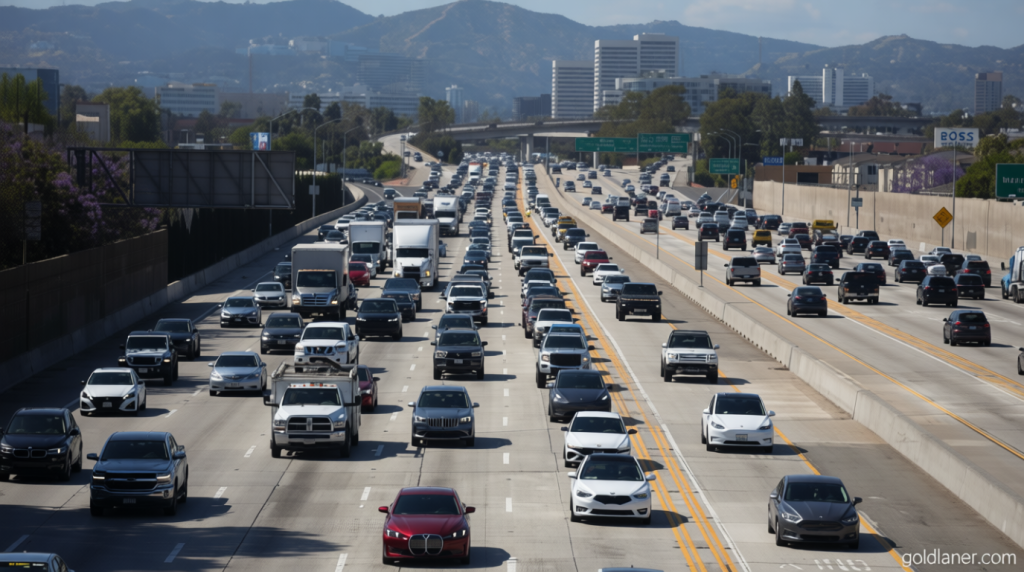
High Fuel Costs Strain Commuters’ Budgets, Tipping Some Workers into Financial Crisis
It s literally going to break – For Stephen Kaledecker, a regional manager at a hotel chain, the joy of a December promotion has been overshadowed by the rising cost of gasoline. The new role demands frequent travel to properties in Ohio, Indiana, and Illinois, but escalating fuel prices have transformed this career move into a financial burden. With gas prices surging past $5 per gallon since the US-Israeli conflict with Iran intensified earlier this year, Kaledecker now spends over $1,000 monthly on fuel. This expense has left him questioning whether the raise accompanying his promotion will offset the cost of commuting, especially as his employer stops reimbursing mileage once his transition to the new position is complete.
Kaledecker, 46, and his family in Gahanna, Ohio, face a difficult dilemma. While he cherishes the responsibilities of his new role, the strain on his personal finances has become unbearable. “I look at my bank account and I’m like, ‘Okay, if I go here and do what they ask me to do, I’m not going to be able to get my prescriptions, or I’m not going to be able to pay that electric bill,’” he said. The situation has grown so dire that he has begun crying in his hotel rooms during the night, struggling to reconcile his professional aspirations with the economic reality of his daily commute.
Meanwhile, Paul Banze, a 68-year-old shift manager at a retail pharmacy, found himself in a similar quandary. After semi-retiring in January, he adjusted his schedule to work only two to three days a week at his local store. However, as gas prices climbed, he informed his manager that he would need to reevaluate his commitment if the cost exceeded $4 a gallon. Last Monday, he shared a photo of his local gas station, where fuel reached $4.29 a gallon, along with an unhappy face emoji. “I knew retirement was coming, but I wanted it on my own terms,” Banze said. “The economics don’t work out.”
These personal stories reflect a growing trend among American workers as fuel prices reach unprecedented levels. According to AAA, the national average for gas prices hit $4.52 per gallon this weekend, up from $2.98 per gallon in late February when the conflict with Iran began. For employees with lengthy commutes, this increase has forced some to reconsider their jobs. Others are seeking alternatives, such as working remotely or relocating closer to their workplaces, to reduce dependency on vehicles.
Why High Gas Prices Take So Long to Fall
Priya Rathod, a workplace trends editor at Indeed, noted a slight but significant shift in job seekers’ preferences. In April, 59.2% of candidates were looking for work within a 30-mile radius, compared to 57.8% in February. This trend suggests that even as fuel costs rise, many workers are reluctant to trade convenience for longer commutes, particularly in a cooling job market. Rathod emphasized that while remote or hybrid positions have gained traction, they still represent a small portion of available roles.
Despite this, the economic pressure from high gas prices is prompting some employers to adapt. Nick Bloom, an economics professor at Stanford University and expert in remote work dynamics, reported that the average number of days employees work from home increased to 26.2% in March and April, compared to 24.6% in the previous two months. This rise means that workers who can operate remotely are saving approximately one additional day’s commute every other week. Bloom noted that this shift is not just a result of policy changes but also a response to employees’ demands for flexibility.
However, major corporate policy adjustments are unlikely in the short term. While some managers have become more open to allowing employees to work from home occasionally, others remain steadfast in their requirements. “It’s just allowing employees here and there to take an extra day at home,” Bloom explained. This flexibility, he added, is partly driven by employees’ concerns about the affordability of their current roles. “If you make me come in every day, I’m going to start looking for another job because I really can’t afford this,” one worker stated in a recent conversation with their manager.
For Kaledecker, the situation is more dire. His 2018 Chevy Silverado, which he uses to transport equipment and supplies for the hotels, has already accumulated over 20,000 miles this year. The vehicle’s maintenance costs, combined with the rising gas price, have made the transition to his new role feel like a gamble. “It’s literally going to break me,” he said, capturing the emotional toll of the decision. His old position managing a hotel in Ohio is no longer an option, as the role has been filled, leaving him with no choice but to navigate the financial strain of his new responsibilities.
Can Your Wallet Withstand High Gas Prices?
The impact of soaring fuel costs extends beyond individual stories, affecting entire industries. Employees in transportation, logistics, and construction—fields where long commutes are common—have seen their disposable income shrink. For example, a worker who previously spent $200 monthly on gas might now face expenses exceeding $500, depending on their travel distance and fuel consumption. This shift has led some to question whether their current jobs are worth the financial strain.
Companies are grappling with how to respond. While not all have revised their remote work policies, many are showing willingness to accommodate requests. For instance, Banze’s employer agreed to reassign him to a store 44 miles from his home, doubling his prior commute. Though this change initially seemed daunting, Banze’s semi-retired status allowed him to manage the adjustment. “I was excited about the new role, but the rising fuel prices made it harder to commit,” he said. His decision to reduce work hours highlights the delicate balance workers are trying to strike between career growth and financial stability.
Experts warn that the situation could worsen if gas prices remain elevated into the fall. The delayed response to price increases is partly due to the time it takes for supply chains to adjust. Factors such as oil production, global demand, and geopolitical tensions all contribute to the slow decline in prices. Until these dynamics shift, workers like Kaledecker and Banze will continue to feel the squeeze. Their experiences underscore a broader challenge: how to maintain economic security while navigating the unpredictability of fuel costs.
As the cost of living continues to rise, the question of affordability in the workplace has taken center stage. Whether it’s a regional manager driving across states or a shift worker adjusting their schedule, the reality is that commuting has become a significant financial commitment. These cases illustrate the growing pressure on workers to weigh their professional goals against their personal budgets. For now, the decision to stay or leave often comes down to a single, unyielding factor: the price at the pump.
