Israeli soldier who assaulted CNN cameraman reprimanded but avoids criminal charges

Israeli Soldier Avoids Criminal Charges After CNN Cameraman Assault
Disciplinary Measures Replace Prosecution
Israeli soldier who assaulted CNN cameraman – An Israeli soldier who assaulted CNN cameraman during a reporting assignment in the occupied West Bank has been formally reprimanded by military commanders, yet will not face criminal prosecution for the physical confrontation. The Israel Defense Forces announced Monday that the reservist received disciplinary action following an investigation that confirmed physical force was used against the media professional. This outcome represents a middle ground between complete exoneration and full criminal accountability for the incident that occurred earlier this year.
Military police investigators thoroughly examined the circumstances surrounding the March confrontation, but prosecutors ultimately determined that criminal charges were not warranted. Instead, the case proceeded through the command’s internal disciplinary framework. According to IDF officials, the soldier demonstrated genuine contrition for his behavior during the proceedings, which led to the issuance of a formal command reprimand. Such disciplinary measures become part of the soldier’s permanent personnel file and may affect future career advancement within the military structure.
“The investigation found that during the encounter between the IDF soldiers and the media crew in the area, physical force was used by one of the soldiers against a photographer from the media organization,” the military stated in its official communication to CNN.
What Happened in Tayasir
The confrontation took place in March in the village of Tayasir, located within the occupied West Bank territory. At the time of the incident, Israeli settlers had recently established what was considered an illegal outpost at the location. The CNN photojournalist, identified as Cyril Theophilos, was actively filming the area when the soldier placed him in a chokehold and forced him to the ground. The physical assault occurred while the cameraman was documenting the settlement expansion activities.
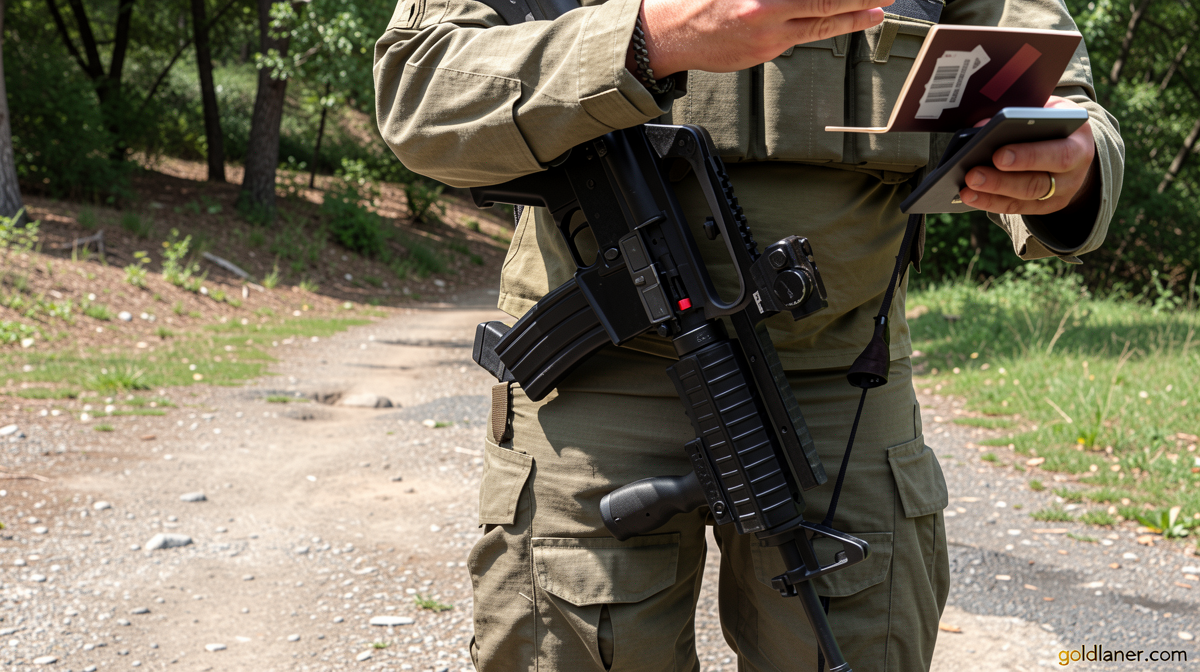
During the same incident, additional Israeli soldiers directed their rifles toward the CNN filming crew and detained the journalists. CNN had received proper authorization to conduct filming operations in the designated area. The soldier involved in the assault was a reservist, and the IDF chose not to publicly identify him by name. The timing of the incident coincided with heightened tensions in the region over settlement activities.
“After the soldier expressed remorse for his actions during the disciplinary process, he received a formal command reprimand,” the IDF explained in its statement.
Military Response and Broader Implications
In the wake of the assault, IDF Chief of Staff Lieutenant General Eyal Zamir implemented comprehensive disciplinary measures across the affected unit. He suspended all operational activities conducted by the battalion, which serves as the reserve component of the ultra-Orthodox “Netzah Yehuda” unit. The military characterized the assault as representing a “serious ethical and professional failure” within the unit, signaling that such behavior would not be tolerated.
A military reprimand becomes part of the soldier’s permanent personnel record and can have negative implications for his or her career progression within the IDF. The battalion underwent an educational seminar and received additional training before being redeployed to the West Bank thirty days after the incident. This educational component was designed to prevent similar occurrences in the future and to reinforce proper conduct when interacting with international media representatives.
Separately, one soldier who spoke to CNN on camera during the incident about seeking “revenge” against Palestinians was dismissed from the IDF at that time. The military’s decision to pursue disciplinary rather than criminal action reflects the internal mechanisms available for addressing misconduct within the armed forces while maintaining operational continuity. This approach allows the military to address wrongdoing without removing personnel from active duty permanently.
The incident has drawn attention to the relationship between Israeli military personnel and international media representatives operating in contested territories. The formal reprimand, while less severe than criminal charges, signals that the military considers the soldier’s conduct worthy of official censure and documentation in his service record. International observers and human rights organizations have noted that such cases highlight ongoing challenges in balancing military operations with media freedom in the region.