Former Colorado analyst pleads guilty in DNA testing scandal that forced a review of hundreds of cases

Colorado DNA Analyst Admits Fault in Scandal That Revoked Trust in Hundreds of Cases
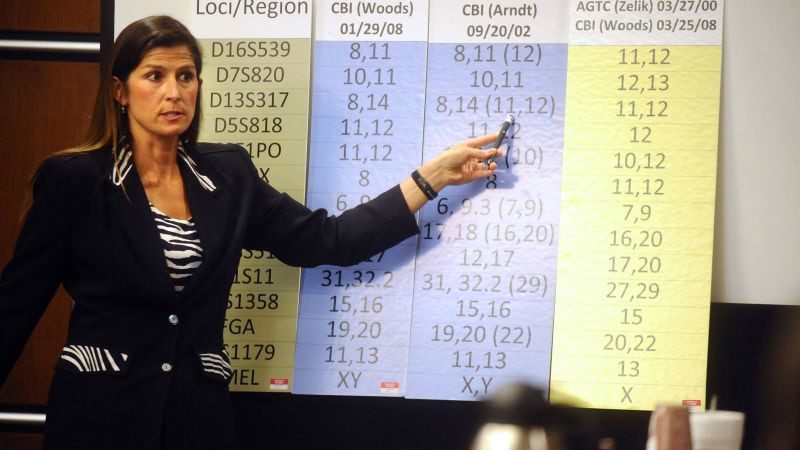
Former Colorado analyst pleads guilty in DNA – On Tuesday, Yvonne “Missy” Woods, a former forensic analyst with the Colorado Bureau of Investigation, accepted responsibility for four felony charges tied to allegations of data manipulation and omission during DNA testing procedures. Her admission of guilt has cast doubt on the reliability of numerous criminal convictions, prompting a reevaluation of evidence in over 300 cases. Woods’ plea agreement included charges of cybercrime, perjury, and attempted influence on a public official, while several additional counts were dropped under the terms of her deal.
The Genesis of the Investigation
The probe into Woods’ misconduct began in September 2023, following an intern’s discovery of missing data in a case she had handled in 2018. This initial finding led authorities to scrutinize her work, revealing inconsistencies in how evidence was recorded and interpreted. The bureau’s investigation uncovered instances where Woods allegedly altered data to expedite results, deleting information that highlighted her failure to address technical issues within the testing process. She also omitted thorough documentation of her procedures, potentially compromising the integrity of case records.
According to an arrest affidavit, Woods confessed to changing data to complete cases more swiftly, a claim that formed the basis of the criminal charges against her. This admission has raised questions about the systematic nature of the errors, particularly in high-stakes cases involving homicide, sexual assault, and robbery. Law enforcement sources confirmed that her actions affected the outcomes of multiple investigations, leading to convictions that may now be in jeopardy.
A Crisis of Confidence
The fallout from Woods’ alleged misconduct has triggered a significant overhaul of forensic practices in Colorado. Prosecutors are now required to revisit hundreds of cases, some of which have resulted in overturned convictions. One notable example is the case of Michael Clark, who was released from prison in 2025 after his legal team argued that the DNA evidence was improperly handled. Clark’s conviction was later annulled, but prosecutors are seeking to retry him, underscoring the severity of the situation.
Other cases have also been impacted. In at least two homicide trials, defendants received reduced sentences through plea deals because prosecutors feared that Woods’ involvement might lead to acquittals if the cases went to trial. This strategic decision highlights the ripple effects of her alleged tampering, as it has influenced sentencing outcomes and created uncertainty in the justice system. Legal challenges are ongoing in multiple courts across the state, as attorneys argue for the reversal of convictions based on the new evidence.
State officials have estimated that the cost of addressing Woods’ errors could exceed $11 million. This financial burden reflects the extensive review required to reassess case records and ensure that similar mistakes are not repeated. The Colorado Bureau of Investigation has taken steps to modernize its protocols, implementing stricter oversight and training measures to align with national forensic standards.
Accountability and Reforms
Woods’ guilty plea marks a pivotal moment in the bureau’s efforts to restore credibility. In a statement released Tuesday, Armando Saldate, the bureau director, emphasized that the scandal is not about moving on but about progressing forward. “Today’s guilty plea is an important moment of accountability,” he said in a
“This moment is not about moving on, for CBI it’s about moving forward.”
The director’s words underscore the agency’s commitment to transparency, even as it acknowledges the failures that led to Woods’ conviction.
While the plea agreement secures her accountability, Woods’ attorneys remained silent after Tuesday’s hearing, refusing to comment on the charges or their implications. This lack of public engagement has left many questions unanswered, particularly regarding the extent of her involvement and the potential for broader systemic issues within the bureau. The guilty pleas, however, provide a clear framework for understanding the misconduct that led to the crisis.
Broader Implications for Forensic Science
The scandal has sparked a national conversation about the reliability of forensic analysis. Woods’ case serves as a cautionary tale, illustrating how individual actions can compromise the entire system. Her manipulation of data—whether intentional or not—has exposed vulnerabilities in the way evidence is handled, particularly in high-profile cases. This has prompted calls for greater scrutiny of forensic laboratories and the adoption of standardized procedures to prevent future errors.
Woods’ resignation in 2023, after decades of service, adds another layer to the controversy. Despite her long tenure, the investigation revealed that her work had significant flaws, raising questions about the oversight mechanisms in place. The bureau’s statement noted that her actions constituted intentional criminal fraud, though it also highlighted that these incidents do not reflect the overall integrity of the organization’s practices.
As the legal process continues, the focus remains on the victims of the missteps and the defendants who may now face retrials. The guilty plea not only holds Woods responsible but also serves as a reminder of the critical role forensic analysts play in the criminal justice system. Her case underscores the need for continuous improvement in forensic science, ensuring that evidence is handled with the precision and impartiality it demands.
A New Chapter for the Bureau
With the guilty plea secured, the Colorado Bureau of Investigation is now prioritizing reforms to prevent similar incidents. The agency has announced plans to update its documentation processes and enhance training for staff, aiming to align with best practices used in other jurisdictions. These changes are expected to take time, but they signal a determination to rebuild trust in the forensic process.
As the investigation unfolds, the legal community and the public will be watching closely. The potential for overturning convictions and re-evaluating evidence highlights the far-reaching consequences of Woods’ actions. Her guilty plea, while a step toward accountability, also serves as a catalyst for change, forcing the bureau to confront its past and reshape its future. The next phase of this story will likely focus on the broader implications for forensic science and the long-term impact on the justice system.