
First American pope marks July 4 on migrant island with plea for ‘compassion and generosity’
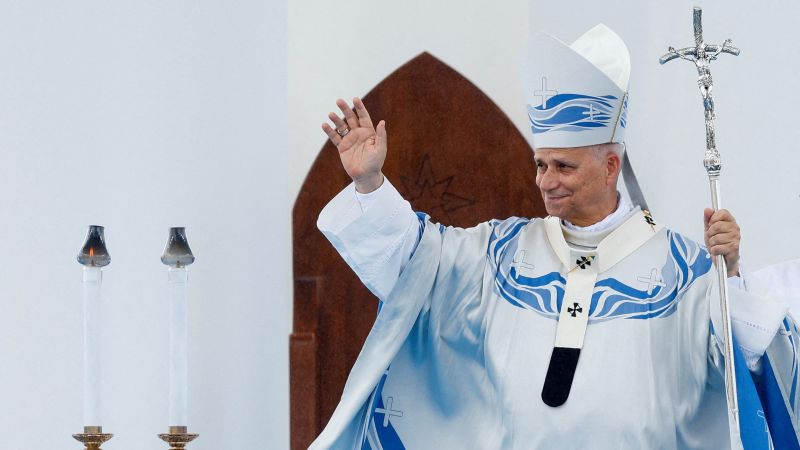
First American Pope Marks July 4 on Migrant Island with Compassion Call
First American pope marks July 4 – On July 4, the first American pope, Francis, visited the Italian island of Lampedusa to highlight the enduring importance of compassion and generosity in the face of global migration challenges. The visit, timed to coincide with the United States’ 250th anniversary of independence, served as a poignant reminder of how immigration has shaped the nation’s history. Pope Francis emphasized that welcoming migrants is not only a moral duty but also a reflection of the values that define the American spirit. His message, delivered amid the island’s heartbreaking stories of displacement, resonated deeply with both locals and international observers.
A Message for America’s Shared Heritage
Lampedusa, often called the “Door to Europe,” is a crucial entry point for migrants crossing the Mediterranean. During his visit, Pope Francis took time to reflect on the sacrifices and struggles of those who arrive on the island, many of whom are fleeing conflict and poverty. His presence there was symbolic, as he sought to connect the global refugee crisis with the founding principles of the United States. “The first American pope marks July 4” with a renewed commitment to fostering a spirit of inclusion, he stated, linking the nation’s past to its present role as a beacon of hope for displaced people worldwide.
Symbolism in the Sacred Spaces
One of the highlights of the pope’s trip was his visit to a migrant cemetery, where he paid tribute to the lives lost in the journey to Europe. The site, a quiet testament to human resilience and loss, was a powerful backdrop for his message of unity. Among the honored names was Yusuf Ali Kanneh, a six-month-old infant who perished in a boat wreck in 2020. As Pope Francis walked the cemetery, he underscored the importance of remembering those who have contributed to the tapestry of human history through their migration. “The first American pope marks July 4” with a call to action, urging nations to prioritize empathy in their policies.
During his time on the island, the pope also met with migrants, including a young boy named Leo, who shared a personal story of survival and hope. Leo, who had settled in Lampedusa a decade ago after losing his mother, presented the pope with a ball, a symbol of resilience and joy. His words, “I’m super excited to meet you! Ten years ago my story began here in Lampedusa. I was alone and had lost everything, above all my mom. They say I stopped crying only when they gave me a ball, from that day the ball stayed in my heart and I never stopped playing,” captured the emotional weight of displacement and the importance of kindness in shaping futures.
A Global Perspective on Migration
As the first American pope to visit Lampedusa, Francis highlighted the interconnectedness of global challenges. He urged European leaders and international organizations to collaborate on comprehensive strategies for migrant integration, emphasizing that no country can address the crisis in isolation. “The first American pope marks July 4” by reaffirming the Church’s role in advocating for the dignity of all people, regardless of origin. His appeal included a plea for nations to invest in developing countries, reducing the push factors that drive migration and ensuring safer passage for those seeking refuge.
Later, Pope Francis participated in an open-air Mass, where he addressed a diverse crowd of locals and migrants. The event, held under the open sky, underscored the unity of faith and purpose. In his homily, he reiterated the need for “compassion and generosity” as the guiding principles for nations hosting migrants. “This is a task not only for public institutions but also for civil society as a whole and for the Church,” he said, reinforcing the idea that collective action is essential to creating a more just world. The Mass served as a powerful moment of solidarity, with attendees waving flags and singing hymns in support of his message.
Legacy and Future Action
“The first American pope marks July 4 by honoring the shared journey of those who seek refuge and the values that have always guided this nation,” Pope Francis said during his visit. His words were a reminder that the United States, built on the ideals of freedom and opportunity, must continue to lead by example. The pope’s visit to Lampedusa, a symbol of both hope and hardship, was a deliberate step to bridge the gap between American ideals and the realities faced by migrants. As the first American pope marks July 4, his message carries weight, urging the world to embrace compassion as a cornerstone of global citizenship.
