
Extreme heat wave in its final stretch and could fuel storms during July 4 celebrations
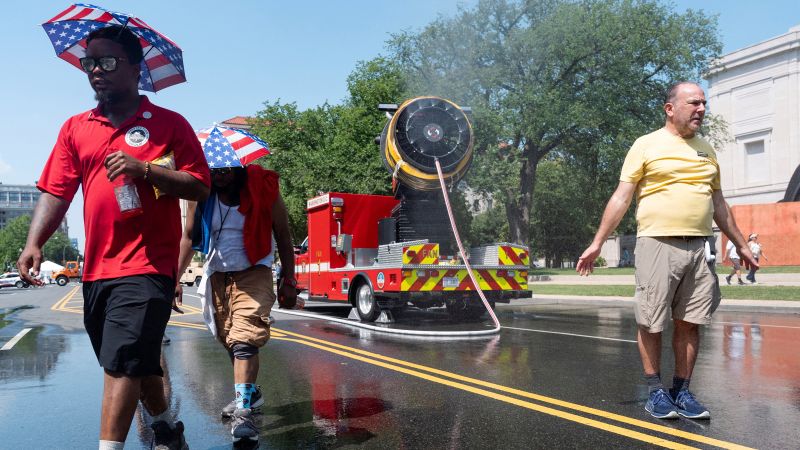
Extreme Heat Wave Nears End, Storms Threaten July 4 Celebrations
Extreme heat wave in its final – As the extreme heat wave nears its final stretch, the eastern United States faces a unique challenge: sweltering temperatures are expected to peak before the nation’s 250th birthday. This prolonged heat event, influenced by climate change, is set to shape the weather during Independence Day festivities, potentially leading to unexpected thunderstorms. While the focus remains on the heat, its residual effects may add a dramatic twist to summer celebrations, with forecasters warning of shifting conditions in key cities like Washington, DC, and Philadelphia.
Health Emergencies and Record-Breaking Heat
Heat-related health crises have intensified across the region, with alarming cases reported in multiple states. In Bethel Township, Pennsylvania, a 68-year-old man died on July 2 while performing yard work, as temperatures soared past 100 degrees. The Berks County Coroner’s Office attributed his passing to heat exhaustion triggering a heart attack. Meanwhile, the CDC has highlighted “extremely high rates of heat-related illness” in the Northeast, emphasizing the heatwave’s far-reaching consequences.
“The cause of death was a heart attack from strain due to heat exhaustion,” stated the Berks County Coroner’s Office to CNN.
Heat records are being shattered in numerous locations, with at least 22 cities experiencing temperatures that exceed previous highs over the past two days. This relentless heat has also created a dangerous environment for outdoor activities, prompting concerns about the safety of people and infrastructure alike. The final days of the heatwave may see a slight cooldown, but its impact is already profound.
Disruptions to Celebrations and Urban Infrastructure
Extreme heat has already begun to disrupt planned July 4 events, with some organizers forced to adjust schedules to accommodate the sweltering conditions. In Washington, DC, the city’s traditional parade has been postponed to a later hour, while President Donald Trump’s Great American State Fair is set to begin two hours later than usual. These changes reflect the growing awareness of the heatwave’s influence on public gatherings.
Philadelphia, too, faces significant challenges as it prepares for its third consecutive day of triple-digit temperatures. With forecasts predicting a high of 100 degrees on Saturday, the city may see its hottest Fourth of July on record. The heatwave’s final phase is not just about temperature spikes—it’s also about the cascading effects on everyday life, from transportation to energy demand.
Power Outages and Rising Energy Demand
The extreme heat wave in its final stretch has placed immense pressure on energy grids, leading to widespread power outages in parts of the New York metropolitan area. Con Edison, the regional utility provider, reported thousands of customers facing outages on Friday and Saturday, with some shutdowns implemented proactively to avoid larger-scale blackouts. Voltage reductions were observed in Staten Island, Queens, the Bronx, Brooklyn, and Westchester, as per Con Edison spokesperson Jamie McShane.
“Some of the outages were shutdowns to prevent extended outages,” McShane told CNN.
These disruptions underscore the vulnerability of urban systems to extreme weather. As demand for air conditioning surges, power grids struggle to meet the load, resulting in service interruptions that compound the challenges of the heatwave. Residents in affected areas are being urged to conserve energy and seek indoor relief, highlighting the interconnectedness of climate conditions and infrastructure strain.
Air Quality and Environmental Impacts
With the extreme heat wave in its final stretch, air quality is deteriorating rapidly in major cities, creating a dual threat for outdoor activities. The persistent heat dome, a high-pressure system that traps and intensifies heat, has worsened pollution levels, making the air hazardous for prolonged periods. Fireworks, both large-scale and spontaneous, are contributing to elevated particulate matter and ozone concentrations, resembling the effects of wildfires in some regions.
Residents are advised to monitor air quality indexes closely, as hazardous levels may persist well into the afternoon. Even as the heatwave wanes, its environmental legacy lingers, affecting not just human health but also the broader climate system. This phenomenon serves as a reminder of the heatwave’s role in shaping weather patterns throughout the summer.
Thunderstorms and the Heatwave’s Final Act
As the extreme heat wave in its final stretch reaches its peak, meteorologists predict that the intense heat will fuel thunderstorms across the Mid-Atlantic and Northeast starting Saturday afternoon. These storms, though not widespread, could bring severe weather, including gusts exceeding 60 mph and lightning that poses risks for outdoor events. The sudden shift from scorching heat to thunderous downpours may create an unpredictable atmosphere for July 4 celebrations.
While the storms may disrupt fireworks displays and other festivities, they also signal the end of the heatwave’s dominance. The combination of heat and humidity has created a volatile weather scenario, where the final days of the event could bring both relief and new challenges. This dynamic underscores the complexity of weather patterns influenced by climate change and extreme heat conditions.
