FCC moves to deliver long-sought win for Trump-aligned broadcasters

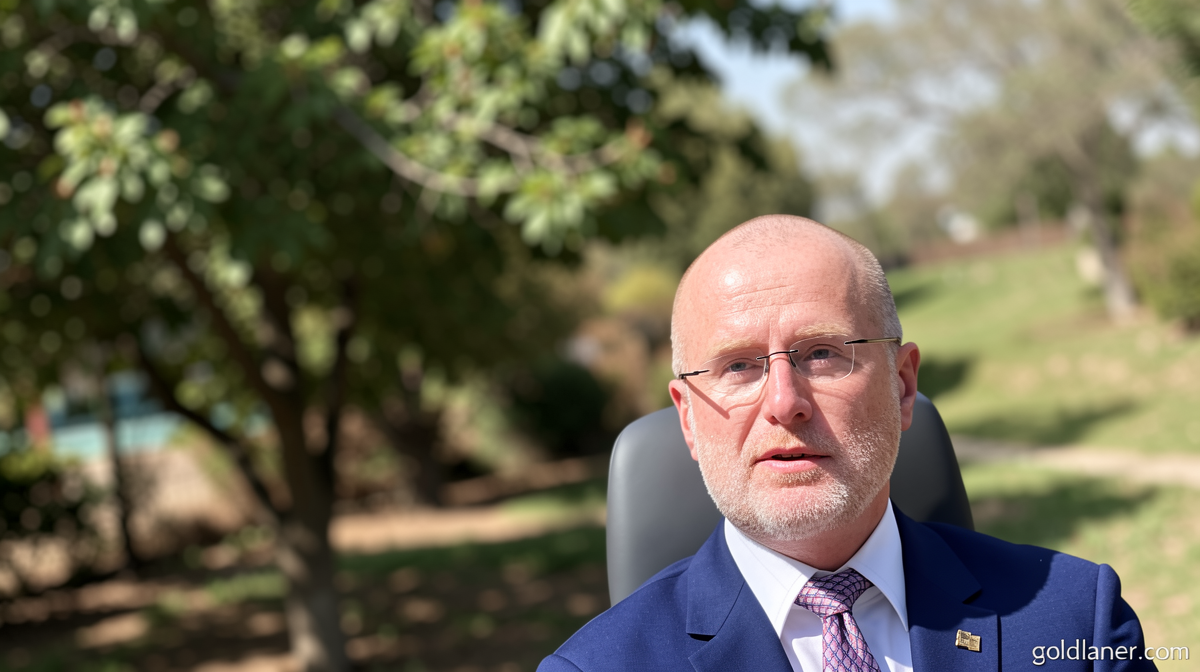
FCC Prepares to Lift Broadcast Ownership Limits in Move Favoring Trump Allies
FCC moves to deliver long sought – The Federal Communications Commission is set to overhaul regulations governing local television station ownership, a transformation that could dramatically reshape the broadcasting landscape. This regulatory shift represents a significant victory for media executives closely tied to President Donald Trump and the Republican Party, who have advocated for these changes for years. FCC Chair Brendan Carr has positioned the initiative as essential for enabling broadcasters to compete effectively against technology conglomerates and emerging market rivals.
During a Wednesday announcement, Carr revealed that commissioners will cast their votes next month to eliminate the national broadcast ownership restriction. This longstanding rule prevents any single corporation from controlling more than thirty-nine percent of American television households. Under the current system, networks such as NBC maintain affiliated stations nationwide that belong to numerous independent owners rather than operating as a unified corporate entity. While the regulation was originally designed to promote local ownership, Carr characterizes it as obsolete, arguing that it blocks station proprietors from achieving comparable market scale to their competitors.
Political Dynamics Shape the Upcoming Vote
The FCC currently maintains Republican dominance, with only Commissioner Anna Gomez representing the Democratic Party among the three members. This composition makes passage of the August 6 vote virtually certain. Carr’s office has proposed implementing a flexible review mechanism that will enable the commission to evaluate individual transactions based on whether they serve broader public benefit. Under this framework, the agency would retain authority to approve beneficial deals while rejecting those falling short of established standards.
Opponents have accused Carr of manipulating the public interest criterion to advantage Trump’s political supporters while disadvantaging his adversaries. Gomez strongly criticized the proposed changes, describing them as an improper attempt to transfer control of public broadcasting frequencies to wealthy associates of the current administration.
A free and diverse media landscape depends on real limits on how much of the public airwaves any one company can control, and this FCC is now poised to allow local broadcasters to sell those airwaves off to the highest bidder.
Industry Reactions Highlight Potential Benefits
Carr’s team presented an alternative perspective, asserting that the modification will stimulate market competition, strengthen local journalism, and encourage investment in reliable news organizations. This regulatory evolution could facilitate numerous upcoming and existing merger transactions across the broadcasting sector.
Nexstar, recognized as one of America’s largest television station proprietors, previously secured an FCC waiver to purchase rival Tegna earlier this year. That acquisition faced temporary suspension when a group of state attorneys general filed litigation contending the consolidation violated antitrust legislation. A Nexstar representative welcomed Carr’s proposal, characterizing it as a necessary modernization of broadcast oversight.
A welcome and long-overdue step toward bringing broadcast regulation into the modern media marketplace.
Sinclair, another major beneficiary of the proposed changes, echoed similar sentiments about the necessity of updating outdated regulations.
Given the undeniable change and disruption to the media ecosystem, updating these rules to reflect the current landscape is common sense.
Legal Challenges Loom on the Horizon
Conservative legislators and advocacy organizations have championed cap elimination for years, maintaining that removing restrictions would create fairer competitive conditions. Carr articulated this viewpoint in a recent op-ed published on the conservative platform Breitbart, where he described the modification as essential for restoring equilibrium to broadcast frequencies.
Consumer advocacy organizations supporting the existing cap argue that Carr’s primary motivation involves assisting political allies rather than serving genuine public interest. Matt Wood, vice president of policy and general counsel at Free Press, emphasized that Congress originally established the thirty-nine percent threshold through legislation passed in 2004. Wood warned that Carr lacks the authority to unilaterally dismantle this congressional mandate, signaling potential litigation from affected parties.
Brendan Carr cannot undo the limit that Congress set just because he feels like it.
The anticipated legal challenges will likely focus on whether the FCC possesses sufficient statutory authority to modify the ownership cap without congressional approval. Critics may also argue that the proposed case-by-case approach creates insufficient safeguards against excessive media consolidation. As the August vote approaches, all eyes remain on how this regulatory transformation will impact both the broadcasting industry and American consumers who rely on local television for news and information.