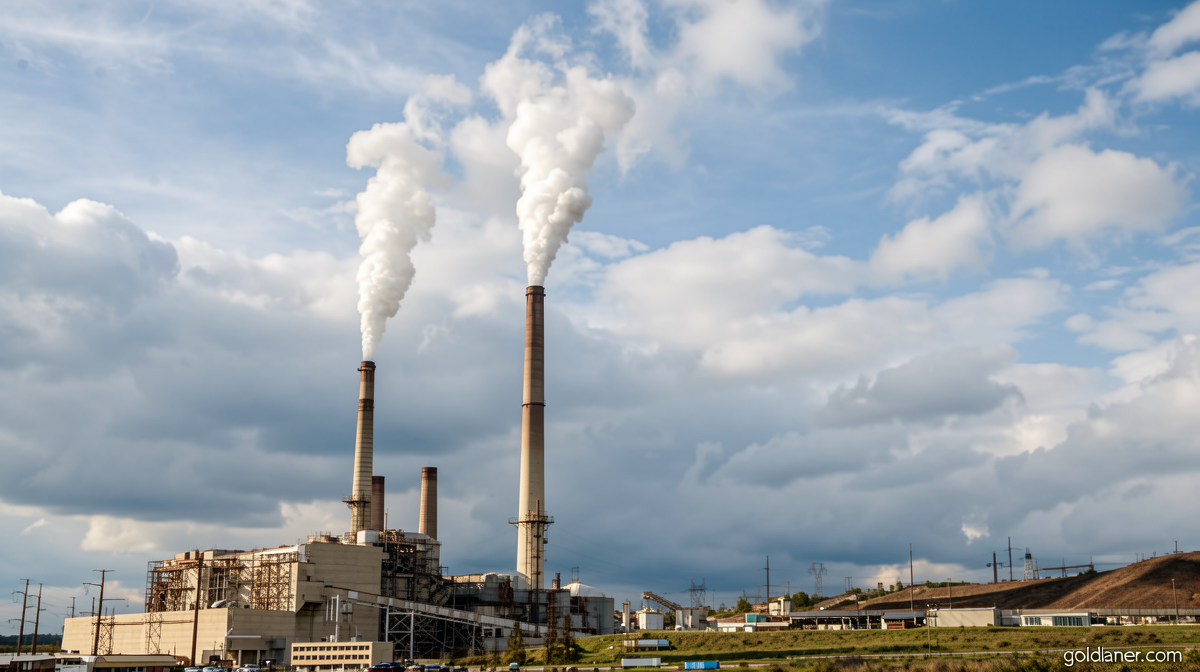
Danish high schoolers will have to verbally defend written assignments, in government move to combat AI cheating

Daftar Isi
Denmark Mandates Oral Defenses for Student Papers Amid AI Cheating Surge
Goldlaner.com – Denmark has introduced sweeping emergency measures to address a growing crisis in its secondary education system, where artificial intelligence tools are increasingly being used to bypass academic integrity. Under the new policy, high school students must now stand before their teachers and verbally defend every written assignment they submit, particularly those completed at home. The initiative represents one of the most aggressive responses to AI-driven academic dishonesty in Europe, signaling a shift toward more rigorous assessment methods.
Immediate Implementation of Verbal Defense Requirement
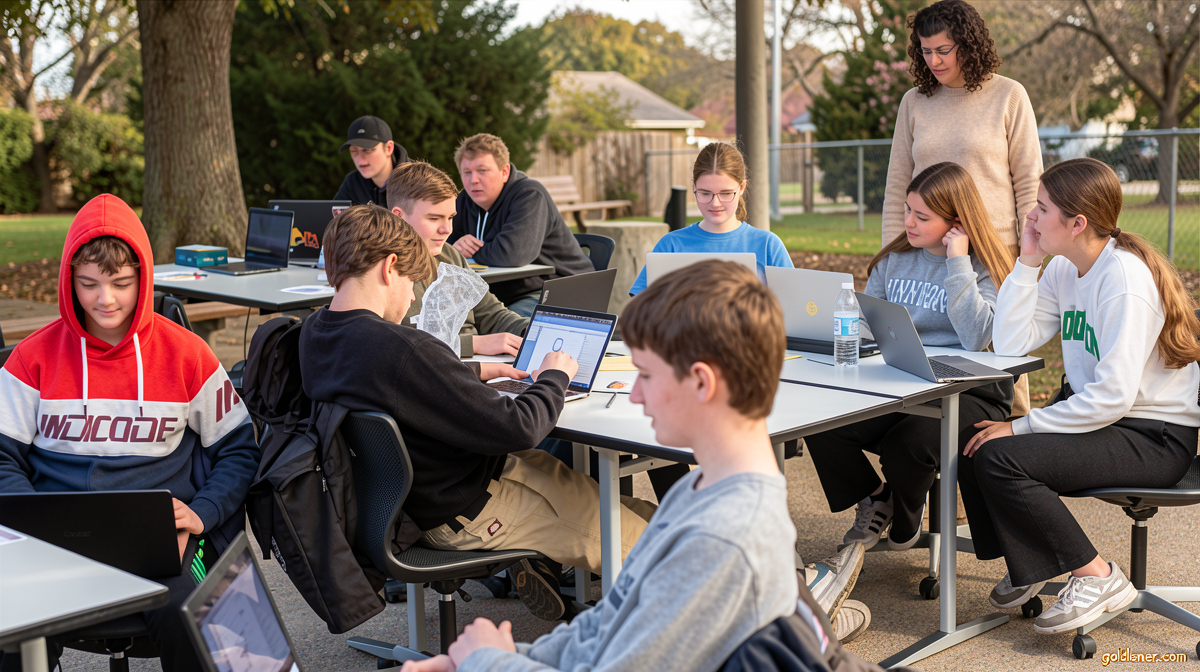
The Ministry of Education announced on Thursday that the verbal defense mandate applies to all examinations written outside the classroom. Students in upper secondary education, typically beginning at age sixteen, will need to demonstrate their understanding of their work through oral presentations. This requirement extends to approximately nine thousand pupils enrolled in the country’s two-year Higher Preparatory Examination program, where students submit substantial written papers annually as part of their academic progression.
The policy takes effect immediately, giving schools limited time to adjust their assessment frameworks. Education officials are collaborating with educational institutions to develop the most effective implementation strategies. The verbal defense process will require students to explain their reasoning, methodology, and key arguments in their written work, ensuring that the intellectual contribution comes from the student rather than an AI algorithm.
Technological Safeguards and Classroom Monitoring
Beyond the oral defense requirement, the ministry is urging high schools to deploy additional technological measures. Schools are being encouraged to utilize screen monitoring tools during examinations to track student activity in real-time. A dedicated firewall system will filter the websites and applications students can access during both exams and regular class sessions, limiting their ability to consult AI tools during assessments.
The government is also promoting a structural shift toward completing more assignments within the school environment. By moving substantial portions of written work into controlled classroom settings, educators can provide closer supervision and reduce opportunities for unauthorized AI assistance. This approach aims to maintain academic standards while acknowledging that technology integration is inevitable rather than something to be entirely resisted.
“Unfortunately, we have a problem with students using AI to cheat in upper secondary school,” Education Minister Magnus Heunicke stated in the official announcement. “Action is needed now, and we are starting with these three initiatives.”
Stakeholder Responses and Future Directions
Three major upper secondary school organizations representing school administrators, teaching staff, and student bodies have expressed support for the emergency measures. However, they simultaneously emphasized the need for comprehensive long-term strategies that address the root causes of AI-related academic challenges. The rapid pace of technological advancement means that temporary fixes may become insufficient as AI capabilities continue to evolve.
“In the coming period, I will be engaging with schools, teachers and students about what can be done both in the short and longer term to ensure that AI does not undermine students’ skills, academic abilities and, not least, their ability to think for themselves,” Heunicke continued.
Anders Frikke, who chairs the Danish Association of Upper Secondary School Teachers, acknowledged that educators appreciate the minister’s swift and decisive response. Nevertheless, he noted that additional proposals deserve consideration, including mandatory AI usage declarations in major written assignments and ensuring that oral examination preparation occurs without AI assistance. These supplementary measures would create a more transparent academic environment where students and teachers understand the extent of technology integration.
“These include requiring students to clearly declare when AI has been used in major written assignments and ensuring that preparation for oral examinations takes place without access to AI,” Frikke added.
Student Perspectives on the New Framework
While students generally welcome the emergency initiatives, they have raised important concerns about implementation. Oscar Tønsberg Hoffmann, chair of the Danish Upper Secondary Students’ Association, emphasized that increasing the volume of in-school written work must be organized thoughtfully. The goal should be to genuinely strengthen learning outcomes rather than merely relocating homework from home to school without addressing underlying pedagogical needs.
“It is important that the increased amount of written work carried out at school is organised in a way that genuinely strengthens students’ learning, rather than simply moving the work from home to school,” Hoffmann explained. “It is essential that students have the opportunity to contribute to the development of longer-term solutions.”
The Danish approach reflects a broader international trend toward rethinking assessment methods in the age of artificial intelligence. As AI tools become more sophisticated and accessible, educational systems worldwide are grappling with how to maintain academic rigor while embracing technological innovation. Denmark’s combination of oral defenses, technological monitoring, and structural adjustments offers a comprehensive model that other nations may observe and adapt. The success of these measures will depend on sustained collaboration between policymakers, educators, and students as they navigate this evolving landscape together.
Related Reading
Frequently Asked Questions
What is Danish high schoolers will have to verbally?
Danish high schoolers will have to verbally is the main topic of this guide. The article explains the context, practical details, and next steps readers should understand.
Why does Danish high schoolers will have to verbally matter?
Danish high schoolers will have to verbally matters because readers are looking for a useful answer, not just a short summary. Good content should match search intent and help them decide what to do next.