
American pilot killed by rebels in Papua, says Indonesian military
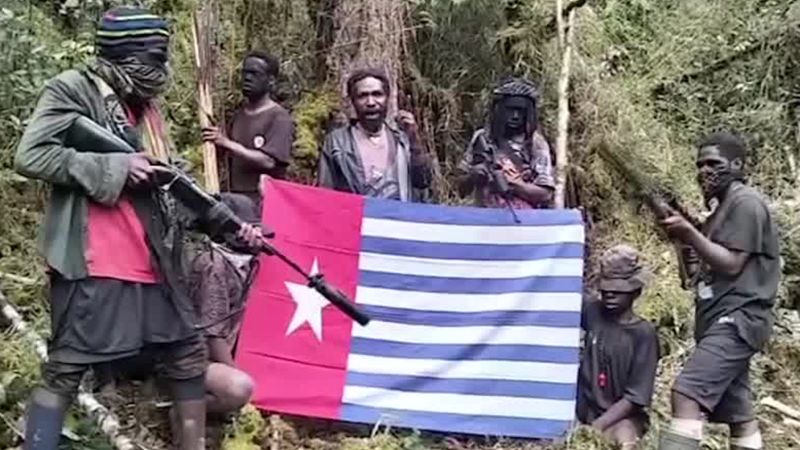
American Pilot Killed in Papua Conflict, Indonesian Military Confirms
American pilot killed by rebels in Papua – On Friday, the Indonesian military announced that they had retrieved the body of an American pilot who was fatally shot by rebels in the volatile eastern region of Papua. The incident, which occurred in the Yahukimo district of Highland Papua province, was claimed by the West Papua National Liberation Army (TPNPB), a separatist group, as a symbolic act against both the Indonesian and U.S. governments. According to a spokesperson for the TPNPB, the attack targeted the pilot’s aircraft after it landed in the area, marking a deliberate message to highlight unresolved tensions in the region.
Background of the Papua Independence Struggle
The conflict in Papua, which has simmered for decades, continues to escalate as separatist groups gain access to more advanced weaponry. The western half of the province, rich in natural resources, remains a focal point for the struggle for autonomy from Indonesia. Over the years, attacks by independence fighters have grown more frequent and deadly, often involving the use of modern firearms and improvised explosives. This has led to increased casualties among both military personnel and civilians, fueling regional instability.
Sebby Sambom, the TPNPB’s spokesperson, emphasized that the killing of the American pilot was a direct response to the perceived inaction of the Indonesian government and its allies. “The aircraft had been repeatedly dropping Indonesian military personnel and violating our ultimatum,” he stated. The separatist group argued that the attack was necessary to draw attention to the ongoing conflict between the Indonesian military and their cause. He warned that further violence would follow if the governments failed to address the core issues driving the unrest.
“The attack was a message to the Indonesian and U.S. governments for failing to address the root causes of the conflict in Papua between the Indonesian military and the West Papua National Liberation Army,” said Sebby Sambom. He added that the separatists would continue their campaign unless their demands for self-rule were met.
Confirmations and Aftermath
On the same day, military officials in Papua confirmed that the TPNPB was responsible for the shooting. They also reported that the body of the pilot, Nicholas F. Gosselin, had been recovered and transported to a secure location. While the attack has raised concerns, the military reassured that all passengers on the flight had been safely evacuated and returned to their homes. Earlier reports indicated that the plane carried seven individuals, all of whom were Papuans.
According to the Indonesian military, their investigation into the incident is ongoing. Officials have yet to identify the specific group or individual responsible for the attack, though they are actively pursuing leads. The focus remains on determining whether the pilot’s presence in the region was a strategic move by the TPNPB to target a foreign national as a political statement.
Separatist Actions and International Impact
The TPNPB, known for its guerrilla tactics, has been using the incident to underscore its growing influence and determination. A video released by the group showed rebels armed with guns and axes, raising the “Morning Star” flag—a symbol of independence—while announcing the attack. The footage served as a visual statement of their resolve and capability, potentially escalating pressure on the Indonesian government to negotiate.
Despite the violence, the TPNPB has also demonstrated a pattern of releasing captives under certain conditions. This is exemplified by the case of New Zealand pilot Phillip Mehrtens, who was kidnapped in February 2023 after landing a small commercial plane in the remote mountainous region of Nduga. After more than 18 months of captivity, Mehrtens was freed in September 2024, according to Indonesia’s foreign minister. His release highlighted the group’s ability to hold foreign nationals hostage and their willingness to exchange them for political leverage.
International Response and Questions Remain
As of Friday, the U.S. embassy in Jakarta had not provided a formal response to inquiries about the incident. However, the event has sparked discussions about the U.S.’s involvement in the region and its diplomatic relationship with Indonesia. The TPNPB’s claim that the pilot’s presence was a provocation suggests a broader critique of foreign military and civilian activities in Papua.
The aircraft involved in the attack belonged to PT AMA, a regional airline operator that provides essential services such as food, fuel, and mail to remote villages in Papua. While the company has not yet commented on the incident, its role in transporting personnel and supplies to conflict zones has made it a potential target for separatist groups. This incident underscores the challenges faced by local airlines in navigating the region’s volatile security environment.
The killing of the American pilot adds to a growing list of casualties attributed to the TPNPB. The group has increasingly targeted both military and civilian aircraft in recent years, leveraging these attacks to challenge Indonesian authority. The Indonesian military, while confirming the event, has emphasized that the safety of passengers remains a priority. Their statement also underscored the importance of maintaining stability in the region to prevent further escalation.
Regional Implications and Future Outlook
As the conflict in Papua continues to evolve, the incident involving the American pilot raises questions about the effectiveness of current strategies to resolve the dispute. The TPNPB’s use of foreign nationals as symbolic targets suggests a shift in their tactics, potentially aiming to widen the scope of the conflict beyond local actors. This could have implications for regional alliances and the international perception of Indonesia’s governance in the area.
Local officials and activists have called for a more inclusive approach to addressing the grievances of Papuan separatists. They argue that the military’s heavy-handed tactics have contributed to the cycle of violence, while the lack of political dialogue has left the region without a clear path to resolution. The killing of Gosselin serves as a reminder of the human cost of the conflict and the urgent need for both sides to find common ground.
In the wake of the attack, the Indonesian military has reiterated its commitment to protecting national interests and maintaining security in Papua. However, the incident has also prompted calls for a reassessment of the group’s methods and the broader geopolitical context of the conflict. As investigations continue, the spotlight remains on the TPNPB and its ability to disrupt operations in a region critical to Indonesia’s economic and strategic interests.
