
1 dead as dangerous storms intensify in the central US
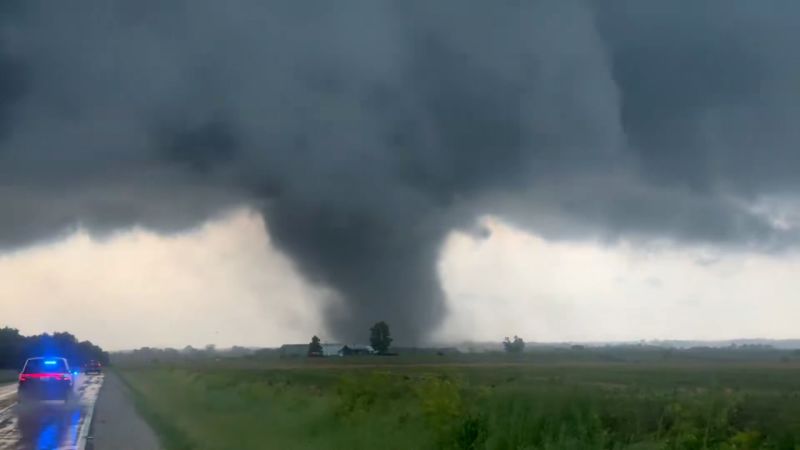
Fatal Storms Claim Life in Midwest Amid Intensifying Weather Threats
1 dead as dangerous storms intensify – As the central United States grapples with escalating severe weather, a new wave of destructive storms is set to compound the damage from previous days. The region, already battered by powerful winds, tornadoes, and hail, faces yet another round of intense atmospheric activity. This latest surge brings heightened risks, with reports of life-threatening conditions emerging across multiple states. The storm system, now in its second phase, is expected to deliver a barrage of severe weather, leaving communities scrambling for safety and recovery.
Thursday morning marked the arrival of the first wave of storms, which swept through Iowa with wind gusts ranging from 70 to 90 mph. The weather event has triggered significant disruptions, with reports of downed power lines and widespread property damage. Among the casualties, a 54-year-old man lost his life in Des Moines after being struck by a fallen tree. According to a city police news release, the incident occurred in a homeless encampment as the storms moved through the area. The tree, which broke apart during the tempest, caused fatal injuries. Authorities are currently working to confirm the identity of the deceased.
“The man was in the path of a storm that had already caused considerable damage in the city,” said a statement from Des Moines police. “The tree was uprooted by the wind and struck him as he was walking near the encampment.”
Meanwhile, a tornado watch has been issued for parts of Illinois, Indiana, Michigan, and Ohio, extending until 2 a.m. EDT. The warning signals heightened concern, as the second wave of storms unleashed tornadoes across the Midwest. At 5:11 p.m. CT, a tornado emergency was declared for Marshall County, Illinois, the highest level of tornado alert. This rare designation indicates an imminent threat of life-threatening tornadoes, prompting immediate action from residents and emergency services.
The watch area spans over 20 million people, covering Iowa, Missouri, Illinois, Indiana, Wisconsin, Michigan, and Ohio. Cities such as Chicago, South Bend, Fort Wayne, Indiana, Grand Rapids and Kalamazoo, Michigan, and Davenport, Iowa, are among the locations under scrutiny. The region is experiencing a Level 4 of 5 risk for severe thunderstorms, a classification that highlights the extreme severity of the weather conditions. This level of risk leaves little time for preparation, as communities that weathered storms earlier in the week now face the aftermath of another round of chaos.
The severity of the upcoming storms is underscored by the potential for destructive winds, intense tornadoes, and torrential rainfall. While the first wave caused damage on Wednesday, Thursday’s threat promises to be equally formidable. Wind gusts of 75 mph or higher are anticipated in parts of the Midwest and Great Lakes, including Chicago, which could lead to widespread tree damage and power outages. Such winds also pose a risk of sending debris into the air, creating hazardous conditions for those caught in their path.
In addition to tornadoes, the storms may bring hail larger than limes, further complicating recovery efforts. The Midwest, particularly areas of Illinois, Wisconsin, and Indiana, is expected to see these large hailstones. This combination of weather phenomena increases the likelihood of structural damage and road closures. Emergency management officials are urging residents to stay alert and take necessary precautions as the storm system intensifies.
Flash flood risks have also surged due to the ongoing pattern of heavy rainfall. The National Weather Service has issued a Level 2 of 4 flood risk alert for parts of Illinois, including Chicago, Wisconsin, Indiana, Iowa, Missouri, and Minnesota. The Weather Prediction Center noted that Thursday’s storms could deliver rainfall rates of up to 2 inches per hour, a volume sufficient to trigger flooding, especially on already saturated ground. Urban areas and low-lying regions are particularly vulnerable, as rapid runoff can overwhelm drainage systems and lead to localized disasters.
Wednesday was one of the most active days for severe weather of the year, with a powerful line of storms sweeping across Wisconsin, Illinois, and Michigan. These storms, characterized by winds exceeding 80 mph, caused extensive damage, including the destruction of homes and businesses. PowerOutage.us reported over 400,000 residences and commercial properties experiencing power outages as a result. Meanwhile, FlightAware documented more than 1,000 flight delays and cancellations at Chicago-area airports, disrupting travel and transportation networks.
Residents in the Chicago region faced additional challenges as one of the storms partially tore off the roof of an apartment building. NBC 5 Chicago reported that the damage forced people to evacuate, highlighting the immediate impact of the severe weather. Multiple tornadoes struck northern Missouri and southern Iowa during the second round of storms, further demonstrating the region’s vulnerability to these extreme conditions.
Despite the relentless onslaught, the storm pattern is expected to wane by late Thursday night. However, some storms may still persist into Friday morning as they move toward the Appalachian Mountains. The end of this active weather period does not signal the end of risks, as the combination of heavy rain and saturated soil continues to threaten flood-prone areas. With the weather system shifting, the focus now turns to recovery efforts and assessing the long-term implications of this series of severe storms.
Regional Impacts and Precautionary Measures
While the Midwest bears the brunt of the storm activity, the Great Lakes and central Plains regions are also under threat. The potential for damaging winds in these areas could lead to widespread power outages and infrastructure damage. Emergency crews are on high alert, with resources allocated to respond to the increasing number of incidents. The police and fire departments in Iowa, Illinois, and other affected states are coordinating to ensure public safety and minimize the loss of life.
Weather forecasts indicate that the intensity of the storms may decrease by the end of the week, but the damage already inflicted will require extensive recovery work. Local governments and community organizations are preparing to assist residents in the aftermath, providing temporary shelter, supplies, and support for those affected. The focus of these efforts is not only on immediate relief but also on long-term resilience against future severe weather events.
Experts warn that the combination of consecutive storm systems has created a perfect storm for disaster. The recurrence of similar weather patterns within a short timeframe means that communities may not have enough time to fully recover before the next wave arrives. This situation emphasizes the importance of preparedness, as the region continues to face a high-risk environment.
