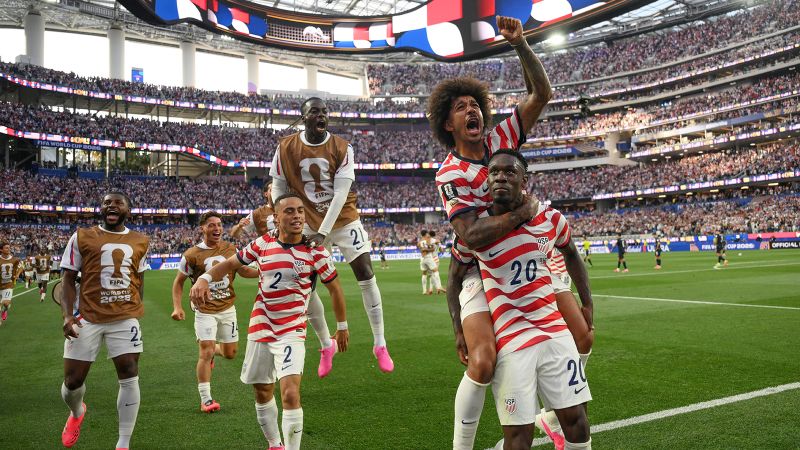
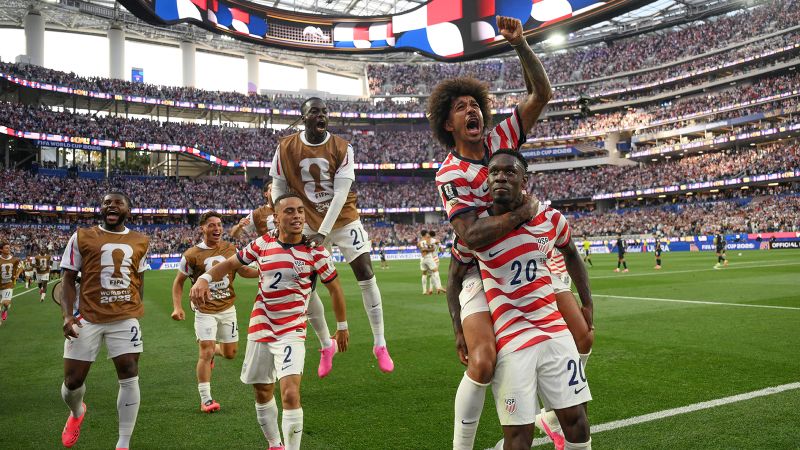
Everything you need to know about the World Cup final

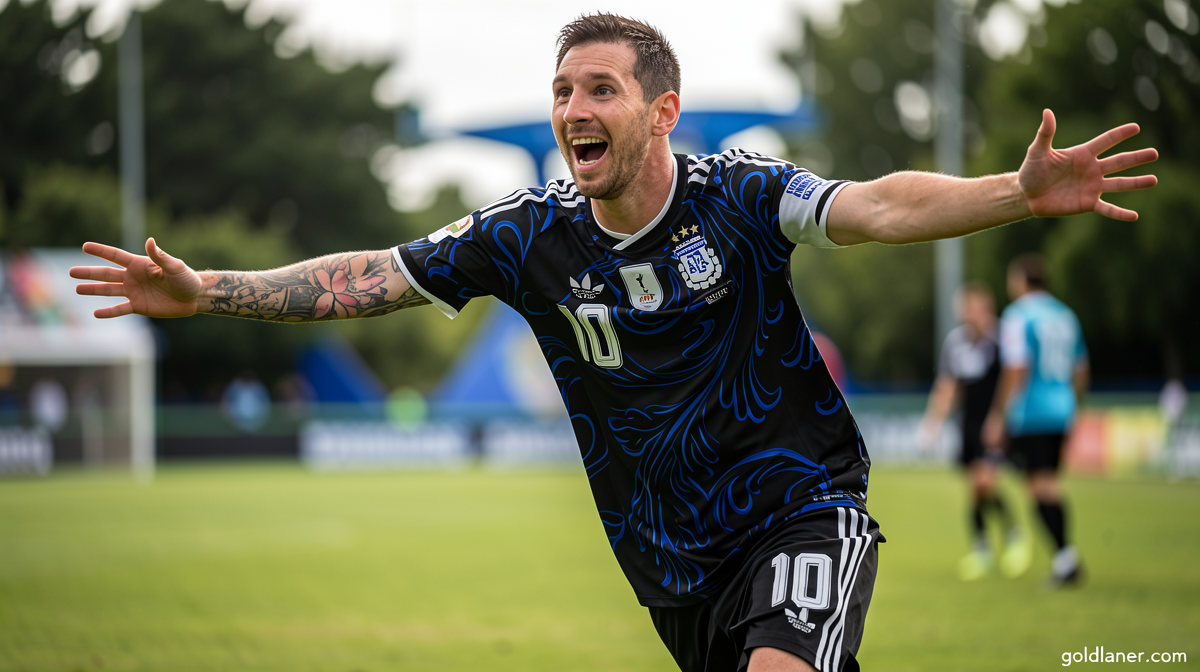
Spain and Argentina Set for Epic World Cup Showdown
Everything you need to know about – This story originally appeared in The Beautiful Game, CNN Sports’ daily World Cup newsletter. Readers can subscribe by clicking the provided link.
Yesterday’s semifinal delivered drama on multiple levels. England experienced crushing disappointment while Argentina celebrated yet another dramatic late victory to reach the championship match. The South American side’s tactical approach in the second half provided the defending champion with exactly what it needed, and Lionel Messi once again proved to be the decisive factor.
After 102 matches throughout the tournament, the finalists are now clear: Spain versus Argentina. This matchup features Lamine Yamal against Lionel Messi in what promises to be a spectacular contest on Sunday.
Contrasting Styles Create Perfect Final
It is difficult to imagine two teams more stylistically opposed for a World Cup championship. Spain excels at possession-based football, executing elegant movements with confidence and creating beautiful sequences that dismantle opponents. Their ability to keep the ball and build intricate plays sets them apart.
Argentina operates as a fierce, passionate unit that often prioritizes intensity over technical brilliance. They handle the physical aspects of the game better than most teams, launching late challenges and using intimidation tactics to disrupt their opponents’ rhythm.
Both approaches have proven effective, and this final will likely be the most predictable in World Cup history because each team’s style is so well-defined. La Roja will control possession, attempting to pass Argentina into submission while exploiting any moments of inattention. Rodri will be central to this strategy, a midfielder capable of dictating the game’s pace independently.
Argentina’s players targeted Rodri from the opening whistle during yesterday’s semifinal. The South American squad’s stars aggressively challenged England’s key players to break their flow. Spain faces a concerning reality: Argentina has discovered a tactic that works and has no intention of abandoning it. England appeared subdued and overwhelmed by the second half, creating space for Messi to perform as only he can.
Trophy Experience Levels the Playing Field
Predicting a winner becomes more challenging when considering both teams’ recent success. Spain currently holds the European championship title, while Argentina has secured three consecutive major international trophies, including the previous World Cup, with many of the same players currently on the roster.
Both squads have developed strong chemistry, and both managers possess the experience needed to guide their teams through high-pressure situations. While Messi remains Argentina’s primary difference-maker, Spain has Lamine Yamal, who many observers view as the natural successor to the Argentine legend’s throne.
This perfectly balanced final generates genuine excitement, even for disappointed England supporters like myself.
Political Banner Sparks Discussion
Amidst Argentina’s celebrations, a political message emerged that could create complications. New York Mayor Zohran Mamdani visited Rikers Island jail, where inmates watched the England-Argentina semifinal match. CNN’s Patrick Sung Cuadrado reported on the banner incident.
Players unfurled a simple banner on what appeared to be a white bed sheet displaying “LAS MALVINAS SON ARGENTINAS,” which translates to “The Malvinas (The Falklands) are Argentine.” CNN Sports observed Argentina midfielder Giovani Lo Celso and center-back Lisandro Martínez holding the banner before it was crumpled and then placed back on the pitch.
The banner’s origin remains unclear, though photographs indicate it was present in the stands with supporters after the match. The text represents a clear political statement regarding the British-controlled Falklands Islands, a longstanding point of contention between the United Kingdom and Argentina.
Diplomatic tensions between the two nations trace back to the 1700s and 1800s but escalated dramatically in 1982 when both countries engaged in war over the South Atlantic islands, located approximately 300 miles east of South America’s northern tip. The 74-day conflict began when Argentina’s military government deployed an invading force to the islands.