Could the next World Cup have even more teams? FIFA is considering it

FIFA Weighs Further Expansion: Could the World Cup Grow Beyond 48 Teams?
Could the next World Cup have – The global soccer community is currently immersed in what many consider the most ambitious edition of the tournament ever staged. With forty-eight nations competing across North America, the spectacle has captivated fans worldwide. Yet as this historic championship approaches its conclusion, a compelling question emerges: might the competition expand even further?
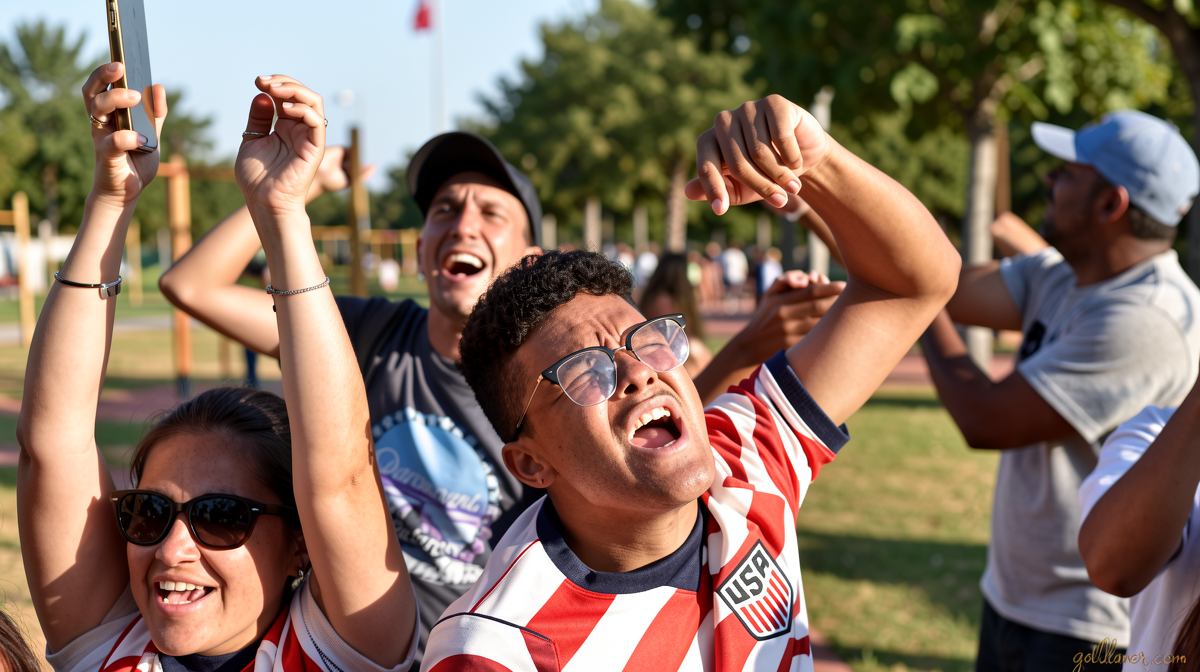
When FIFA initially revealed plans to increase participation from thirty-two to forty-eight teams, reactions were mixed. Traditionalists worried that diluting the field would compromise competitive standards. Critics suggested that including more nations might lower overall quality. However, the expanded format has largely silenced skeptics. Debuting countries have delivered memorable performances, with Cape Verde advancing to knockout stages and Curaçao earning admiration through spirited play and distinctive uniforms.
Infantino Envisions a 64-Team Future
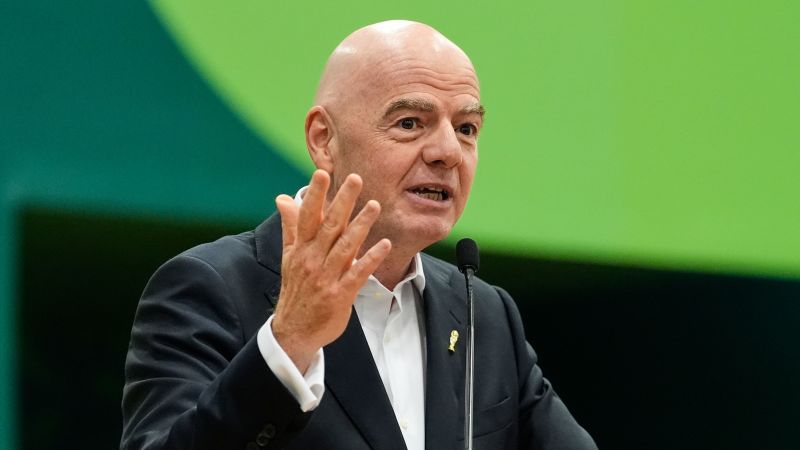
Given the positive reception of the current format, FIFA President Gianni Infantino has signaled openness to further growth. When queried by Swiss publication Bluewin regarding potential expansion to sixty-four participants, he emphasized the tournament’s global mission.
“That’s definitely an issue that will be examined and discussed in the relevant committees after this World Cup,” Infantino responded. “When organizing a World Cup, it’s important to organize it for the whole world – not just Europe and South America – but effectively the entire world. Every nation should be allowed to dream of participating in the World Cup.”
The Norwegian leader also highlighted developmental benefits, noting that smaller nations require competitive opportunities to motivate continued improvement. He observed that global standards are rising steadily, making inclusion increasingly valuable for football’s evolution.
2030 Centenary Celebration Takes Shape
The next tournament carries special significance as it commemorates one century since football’s inaugural World Cup. While Spain, Portugal, and Morocco will serve as primary hosts, CONMEBOL has proposed staging the opening three fixtures in Argentina, Uruguay, and Paraguay. This arrangement honors the historic 1930 edition held in Uruguay.
South America’s governing body has formally suggested a sixty-four team structure for 2030, aiming to maximize the centenary’s celebratory potential. Financial advantages and lasting legacy benefits have been cited as compelling reasons for expansion. Nevertheless, practical concerns remain on the horizon.
The current forty-eight team format already extends the tournament duration considerably, with one hundred four matches scheduled. Competitors reaching the latter phases face compressed recovery periods before domestic club commitments resume. Players may view additional fixtures as an unwelcome burden rather than an opportunity.
Haaland’s Tournament Triumph
While the expansion debate unfolds, another storyline has captured attention. Erling Haaland, Norway’s prolific striker, has emerged as the tournament’s unofficial ambassador. Though his nation has been eliminated, the Manchester City forward has transcended sporting achievement to become a genuine global icon.
Already celebrated before this championship, Haaland’s charismatic personality resonated deeply with online audiences. His enjoyment of the North American experience—both within and beyond the stadium—has amplified his household recognition. The Norwegian has clearly relished every moment of this remarkable journey.
“I think this has changed my life, to be honest,” Haaland reflected on his tournament experience.
Final Week Schedule
As the championship reaches its climax, supporters can mark their calendars for these decisive encounters:
Semifinal One: France versus Spain on July 14th at 3 p.m. ET, hosted at Dallas Stadium in Arlington, Texas.
Semifinal Two: England faces Argentina on July 15th at 3 p.m. ET at Atlanta Stadium in Georgia.
Third-Place Playoff: Scheduled for July 18th at 5 p.m. ET at Miami Stadium in Florida.
The Final: The championship match concludes on July 19th at 3 p.m. ET at MetLife Stadium in East Rutherford, New Jersey.
The question of whether soccer’s premier competition can accommodate even more participants remains unanswered. What is certain is that the beautiful game continues to evolve, embracing both tradition and innovation as it grows toward an uncertain but exciting future.