
White House staff bids farewell to planes used as Air Force One for more than 35 years
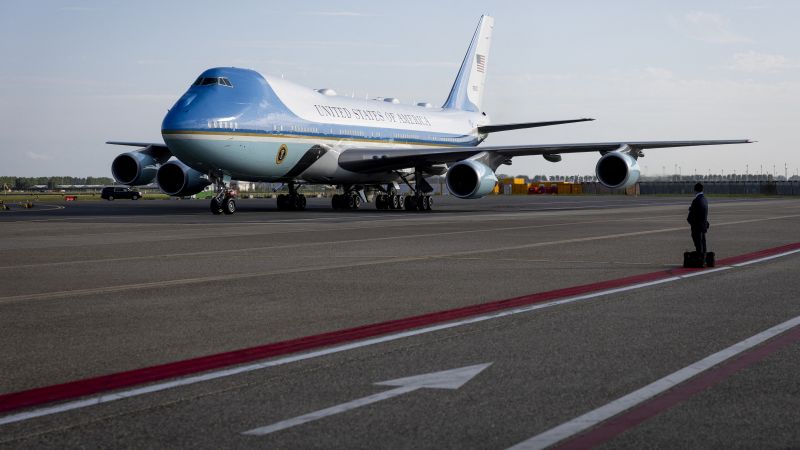
White House staff bids farewell to decades-old Air Force One planes
White House staff bids farewell to planes – The White House staff bids farewell to the aging fleet of planes that have long served as Air Force One, with the final Boeing 747-200 retiring after more than 35 years of service. On Thursday, as the aircraft landed near Washington, officials took to social media to commemorate its role in presidential travel. The retirement marks a significant step in modernizing the fleet, as three new Boeing 747-800s are set to replace the older models. While the VC-25A has been a steadfast companion to leaders, its departure signals a shift toward advanced capabilities and enhanced security for future trips.
A Legacy of Presidential Travel
Since its introduction in 1990, the VC-25A has become synonymous with American leadership, transporting presidents across continents and through critical global events. Its retirement does not erase the decades of service it contributed, from high-stakes diplomatic missions to emergency evacuations. For many White House staff, the farewell is bittersweet, as the aircraft has been more than just a vehicle—it has been a symbol of continuity and reliability. Even as it steps aside, the plane’s legacy remains embedded in the history of U.S. presidential travel.
One of the last flights carried the plane’s unique role in the 9/11 aftermath, when it evacuated former President George W. Bush from a Florida school event. The aircraft’s transformation into a modernized version, now painted in Trump’s signature red-and-white scheme, highlights how its identity has evolved with the times. While the new planes promise cutting-edge technology, the VC-25A’s contributions to presidential mobility are not forgotten by those who have relied on it for years.
The Transition to Modern Air Force One
The move to new aircraft is part of a strategic overhaul aimed at improving security and operational efficiency. The three upgraded VC-25B models, now in development, will feature enhanced communication systems and fortified defenses against potential threats. This transition is expected to take effect by the end of the year, with the Qatari-donated jet serving as a temporary bridge during the process. While the older planes remain in service, the new fleet represents a commitment to maintaining the nation’s leadership presence on the world stage.
The Qatari aircraft, currently undergoing modifications at Majors Airport in Greenville, Texas, has been stripped and rebuilt to meet Air Force One standards. Its new livery, chosen by President Trump, reflects the administration’s desire to maintain a distinctive visual identity for the presidential fleet. Despite initial concerns over its cost and vulnerabilities, the plane’s integration into the service has been seen as a practical solution to ensure seamless operations during the transition period. This step underscores the White House staff’s efforts to balance tradition with innovation.
As the retirement process concludes, the final farewell to the VC-25A has sparked nostalgia among staff who have relied on it for decades. From its debut in 1990 to its last flight in 2026, the plane has witnessed pivotal moments in U.S. history. Its retirement is not just a logistical change but a reminder of the evolving role of presidential travel in an era of advanced technology and global challenges. The White House staff bids farewell to this era, embracing the future while honoring the past.
Security and Cost Considerations
While the retirement of the VC-25A is a major milestone, it has also raised questions about the cost and security of the new fleet. Air Force Secretary Troy Meink estimated the retrofitting project at under $400 million, a figure that has drawn both support and scrutiny from lawmakers. Critics argue that the investment is justified by the aircraft’s enhanced capabilities, including improved cybersecurity measures and satellite communication systems. Meanwhile, the Qatari jet’s temporary use has been framed as a cost-effective way to maintain continuity without long-term financial strain.
For White House staff, the farewell to the older planes has been a blend of pride and reflection. Many have worked alongside the VC-25A for years, relying on its proven reliability in high-pressure situations. The transition to the new fleet is expected to streamline operations and reduce maintenance costs, but it also marks the end of an era for those who have grown accustomed to its familiar presence. As the last VC-25A prepares for its final departure, its legacy will remain a cornerstone of American presidential history.
