
Trump spoke with Live Nation CEO shortly before surprise Justice Department settlement, court filing reveals
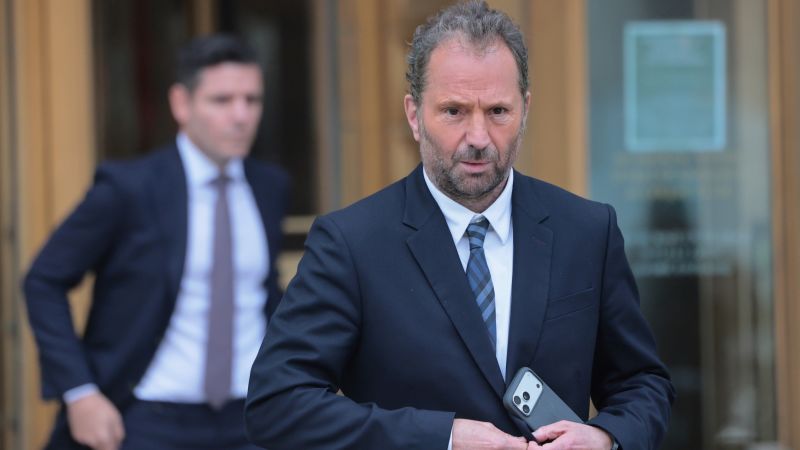
Trump Spoke with Live Nation CEO Before DOJ Antitrust Settlement, Court Filing Shows
Trump spoke with Live Nation CEO shortly – A recent court filing has revealed an unexpected exchange between Live Nation’s chief executive and President Donald Trump just weeks before the ticketing and events giant reached an unusual antitrust agreement with the Justice Department. The disclosure, made on Monday, adds new layers to the ongoing legal battle and raises questions about the extent of Trump’s involvement in shaping the deal. Consumer advocacy groups have largely criticized the settlement, calling it a compromise that may not fully address the monopolistic practices alleged against Live Nation.
White House Counsel Involved in Finalizing Terms
The filing indicates that the White House counsel’s office played a critical role in the final stages of the settlement, which was announced during the second week of the trial. This involvement has sparked speculation about whether Trump had a direct hand in the decision, particularly given the surprise nature of the agreement. The trial, which had been set to conclude with a jury verdict, was abruptly shifted when the DOJ revealed its terms on March 5, catching legal teams off guard.
Live Nation’s CEO, Michael Rapino, met with Trump in February 2026, discussing various aspects of the company’s operations. While the conversation touched on the status of the DOJ’s lawsuit, it did not finalize any specific settlement terms, according to the court documents. However, the presence of White House officials during the March 5 meeting suggests a closer alignment between the administration and the company’s legal strategy.
Timing of the Settlement and Leadership Changes
The meeting took place mere weeks before the landmark antitrust trial commenced, coinciding with a significant personnel shift within the Justice Department. Just that month, Gail Slater, the head of the antitrust division, was replaced by senior leadership. Slater had been a vocal advocate for rigorous enforcement of antitrust laws, and her departure has fueled debates about the direction of the department’s approach to the case.
The court filing highlights the surprise element of the settlement, which was finalized on March 5. Representatives from Live Nation, the antitrust division, the attorney general’s office, and the White House counsel’s office gathered to draft a term sheet, signaling a coordinated effort to conclude the case quickly. The settlement’s announcement during the trial, however, left both the judge overseeing the case and the DOJ’s trial team stunned, as the terms were not previously disclosed.
Impact of the Verdict and Judicial Reaction
During the trial, the jury determined that Live Nation had operated as a monopoly, imposing excessive charges on fans and limiting competition. The settlement, which followed this verdict, was met with mixed reactions. While the company’s legal team celebrated the outcome, the judge expressed frustration, calling the deal “mind boggling” due to the lack of prior communication. Judge Arun Subramanian summoned Rapino and the antitrust division’s head to court for a heated hearing, where he questioned the DOJ’s awareness of the agreement.
“You made antitrust history today. You fought the good fight, you finished the race, and you kept the faith,” Slater wrote on X after the verdict, reflecting on the case’s significance despite her departure.
The judge’s dissatisfaction with the settlement process underscores the tension between the DOJ’s legal team and the company’s strategy. The term sheet, signed on March 5, outlined the terms of the agreement, which included concessions from Live Nation to resolve the antitrust charges. Yet, the surprise nature of the deal has raised concerns about transparency and the influence of political figures on regulatory decisions.
Consumer advocates argue that the settlement may have diluted the DOJ’s original goals, allowing Live Nation to avoid stricter penalties. The company’s alleged dominance in the live events market, which critics say stifles competition, remains a central issue. The term sheet, while seemingly favorable to Live Nation, was presented as a resolution to the lawsuit, with the judge ultimately tasked with approving the agreement and determining its remedies.
Broader Implications for Antitrust Enforcement
The settlement has sparked a broader conversation about the role of political influence in antitrust cases. With the White House counsel’s office actively involved in the negotiations, some observers suggest that the administration may have prioritized swift resolutions over rigorous legal scrutiny. This dynamic has led to questions about whether the DOJ’s decision-making process was compromised or expedited to align with political interests.
Live Nation’s partnership with the White House is not new, but the timing of the settlement has intensified scrutiny. The company’s leaders have long maintained close ties with Trump, and this case appears to reinforce that relationship. Critics contend that the settlement reflects a strategic effort to minimize the impact of antitrust penalties, particularly given the company’s financial clout and influence in the industry.
As the trial team resumes proceedings, the settlement’s approval remains a pivotal moment. The judge’s final decision will determine whether the terms are acceptable, with potential consequences for the company’s future operations. Meanwhile, the DOJ faces renewed pressure to justify its approach, as the case becomes a symbol of the challenges in balancing political considerations with legal rigor.
The settlement also highlights the complexities of antitrust enforcement in a rapidly evolving market. Live Nation’s dominance in ticketing and event management has been a focal point of the lawsuit, with the company accused of leveraging its position to control prices and limit competition. The term sheet, though a key step toward resolution, leaves room for debate about whether it adequately addresses these concerns.
With the trial’s conclusion pending and the judge’s role central to the final decision, the case serves as a reminder of the high-stakes nature of antitrust litigation. The interactions between Live Nation and the White House, revealed in the court filing, add a new dimension to the story, suggesting that the settlement may have been influenced by factors beyond legal precedent. As the proceedings continue, the outcome will have lasting implications for how antitrust cases are handled in the future.
Ultimately, the settlement represents a significant turning point in the DOJ’s case against Live Nation. While the jury’s verdict confirmed the company’s monopolistic practices, the surprise agreement has left many wondering about the decision-making process. The court filing’s revelations about Trump’s involvement and the White House’s role provide critical context, but the full story of how the settlement came to pass remains under scrutiny. As the judge prepares to decide the final terms, the case will be watched closely for its broader impact on corporate accountability and regulatory oversight.
