
Trump mused about cutting troops in Europe by a third to send a message to NATO
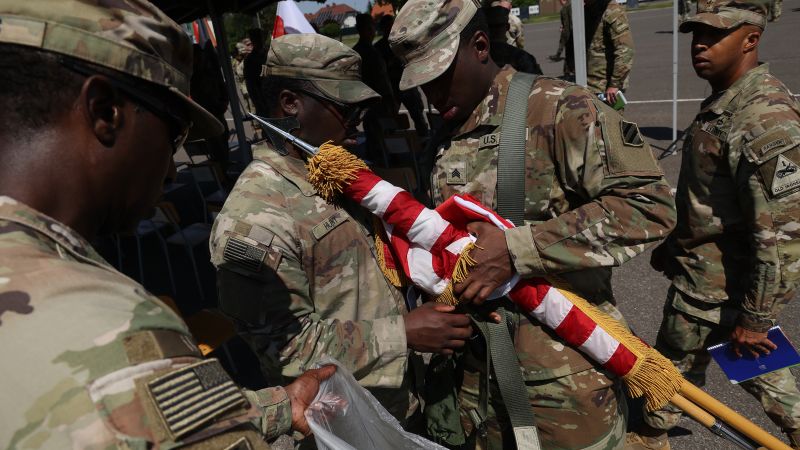
Trump Considers Cutting European Troops by a Third to Pressure NATO
Trump mused about cutting troops in Europe – President Donald Trump has proposed reducing U.S. military forces in Europe by one-third, a move aimed at asserting America’s influence within NATO. During a recent meeting in Washington, he discussed this idea as part of a broader strategy to reevaluate the alliance’s role. The proposal, which has sparked debate, reflects Trump’s ongoing criticism of European nations for not fully supporting U.S. defense initiatives, particularly in the wake of tensions over Iran. Two officials close to the conversation confirmed that the president suggested this reduction as a way to compel allies to increase their contributions to the collective security effort.
The U.S. military’s plans to adjust troop levels have been met with cautious responses from NATO members. While some allies have expressed concern over the potential impact on regional stability, others see the proposal as a necessary step to ensure fairer distribution of responsibilities. Pentagon officials initially hesitated, but after internal discussions, they began reviewing troop deployments. Defense Secretary Pete Hegseth, who had previously hinted at even more significant cuts, now advocates for a six-month evaluation of the European military presence, emphasizing the need to identify countries that meet their defense commitments.
Trump’s frustration with NATO has intensified in recent months, as he continues to question the alliance’s value. His public remarks often highlight the imbalance in defense spending, with Europe’s countries contributing less than their pledged targets. In a social media post last week, he accused NATO members of not standing by the U.S. during critical global events. This sentiment aligns with his idea to reduce troop numbers, which he views as a bold statement to push allies toward greater financial and strategic cooperation.
The Ankara Summit and Diplomatic Shifts
As the U.S. president prepares for the NATO summit in Ankara, the event has taken on added significance. Hosted by Turkey’s President Recep Tayyip Erdoğan, the summit aims to address Trump’s concerns while reinforcing the alliance’s unity. Despite his skepticism, Trump has not ruled out a complete withdrawal from NATO, signaling a possible shift in U.S. foreign policy. European leaders, aware of the president’s unpredictability, are working to present a united front, though private discussions suggest lingering doubts about the alliance’s long-term viability.
Trump’s ambassador to NATO, Matthew Whitaker, has stressed the importance of the summit in addressing the issue of troop reductions. “This meeting is crucial to redefining our partnership,” Whitaker stated. However, the president’s public remarks have cast a shadow over the talks, with his recent social media posts fueling speculation about his intent to restructure NATO’s operations. European officials are balancing their diplomatic efforts to avoid a crisis, even as they grapple with Trump’s demands for increased accountability.
“It’s absurd for the U.S. to shoulder the burden alone when Europe doesn’t reciprocate. We need to show they’re willing to commit,” Trump said during a recent press briefing.
Broader Strategic Implications
The proposed troop reduction is part of Trump’s larger vision for reshaping NATO’s role in global security. He has also floated the idea of taking control of Greenland, a Danish territory of strategic importance, as a test of the alliance’s resolve. This move, which some analysts view as a symbolic gesture, could signal a willingness to prioritize U.S. interests over traditional alliances. Meanwhile, Russian President Vladimir Putin, who has long sought to weaken NATO, may benefit from the uncertainty surrounding America’s military commitments.
While the focus on troop cuts has dominated recent discussions, the U.S. remains committed to maintaining a strong presence in Europe. The Pentagon’s decision to delay immediate reductions underscores the importance of preserving NATO’s cohesion, even as Trump pushes for a more assertive stance. European allies, including Germany and France, have reaffirmed their support for the alliance, though they continue to negotiate the extent of their financial and military obligations
