
Iran war ripple effects are increasing risks of acute hunger for millions, World Food Programme chief says
Iran War Ripple Effects Threaten Global Food Security
Iran war ripple effects are increasing – The ongoing conflict in Iran is intensifying its far-reaching consequences, with ripple effects increasingly exacerbating food insecurity for millions worldwide. According to Carl Skau, the acting Executive Director of the World Food Programme (WFP), the war has created a heightened risk of acute hunger, particularly in vulnerable regions. Skau emphasized that the disruption of oil shipments through the Strait of Hormuz has driven up fuel costs, directly impacting the WFP’s operational budget and compounding the global rise in food prices. This situation underscores the urgent need for coordinated international efforts to mitigate the crisis.
Geopolitical Turmoil and Fuel Cost Surge
The closure of the Strait of Hormuz, a crucial chokepoint for global energy trade, has amplified the economic strain caused by the Iran war ripple effects. Skau pointed out that this strategic waterway’s instability has led to a sharp increase in fuel prices, which in turn has strained the WFP’s financial resources. As a result, the organization faces mounting challenges in delivering essential food aid to populations in need. The soaring costs of fuel have created a ripple effect that extends beyond Iran, affecting food supply chains and distribution networks across the globe.
Furthermore, the war has disrupted agricultural supply routes, particularly the flow of fertilizers from the Gulf. This shortage has worsened food production in regions like Sudan, where the WFP is already working to address severe shortages. Skau noted that the combination of higher fuel expenses and reduced fertilizer availability has deepened the crisis, forcing the WFP to reallocate resources in response to escalating demands. The Iran war ripple effects are now directly influencing the availability of critical agricultural inputs, undermining global food security.
Funding Cuts and Operational Constraints
The WFP, which relies heavily on government contributions, has seen a significant decline in funding. U.S. aid for 2026 has dropped to $731 million, compared to $4 billion in 2024, creating a financial shortfall that hampers relief efforts. Skau described this as a “devastating mix” of rising operational costs and dwindling resources, making it harder to respond to the growing hunger crisis. The Iran war ripple effects have not only affected fuel prices but have also strained the WFP’s ability to scale its operations effectively.
Skau highlighted the WFP’s difficult choices in allocating limited resources, often prioritizing the most urgent needs. In some areas, this means taking from the already food-insecure to support those facing immediate starvation. The Iran war ripple effects are intensifying the competition for aid, with regions like South Sudan and Ukraine experiencing heightened challenges. In Ukraine, over 80 incidents have disrupted WFP infrastructure, including warehouses and transport, exacerbating the situation for millions.
Global Humanitarian Challenges
The consequences of the Iran war ripple effects are felt across multiple continents, impacting humanitarian operations in diverse ways. In Sudan, the WFP reports that 20 million people are currently struggling with food insecurity, while Lebanon faces displacement crises due to the conflict. Skau explained that the rising costs and funding gaps have created a difficult environment for aid distribution, requiring the WFP to adapt its strategies to meet urgent demands. The Iran war ripple effects are now a critical factor in determining the reach and effectiveness of global food assistance.
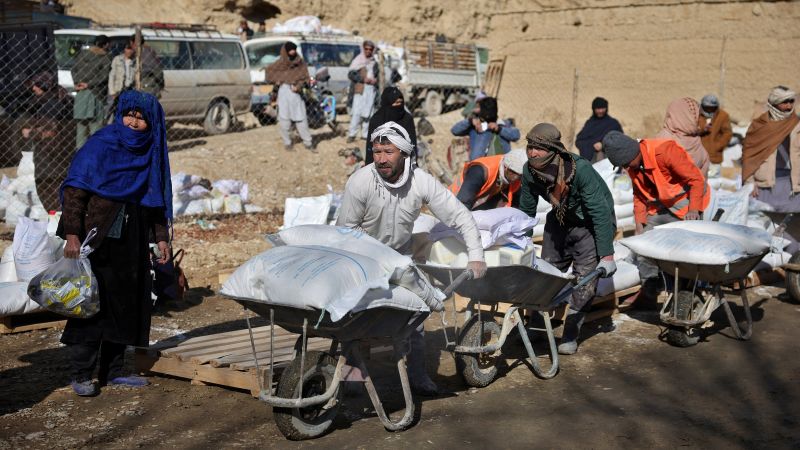
During a recent visit to Afghanistan, Skau observed the logistical hurdles faced by local teams in identifying those in need. With limited resources, the WFP must often set priority criteria, such as focusing on households with more than five children, to allocate aid efficiently. This decision-making process, driven by the Iran war ripple effects, highlights the growing pressure on humanitarian agencies to act swiftly. The WFP is working to maintain its efforts despite these challenges, but the situation remains dire for many communities.
International Response and Future Outlook
As the Iran war ripple effects continue to worsen, global leaders are being called upon to increase financial support for humanitarian efforts. Skau stressed the importance of sustained funding to prevent a full-blown food crisis, particularly in regions where the WFP is already stretched thin. The Iran war ripple effects are not just a regional concern but a global one, with far-reaching implications for millions of people. Without immediate action, the WFP warns that the situation could spiral further, leaving more populations in acute hunger.
