Graham’s death highlights a power shift and a new question: What’s coming next in Washington?

Graham’s Death Highlights Power Shift in Washington
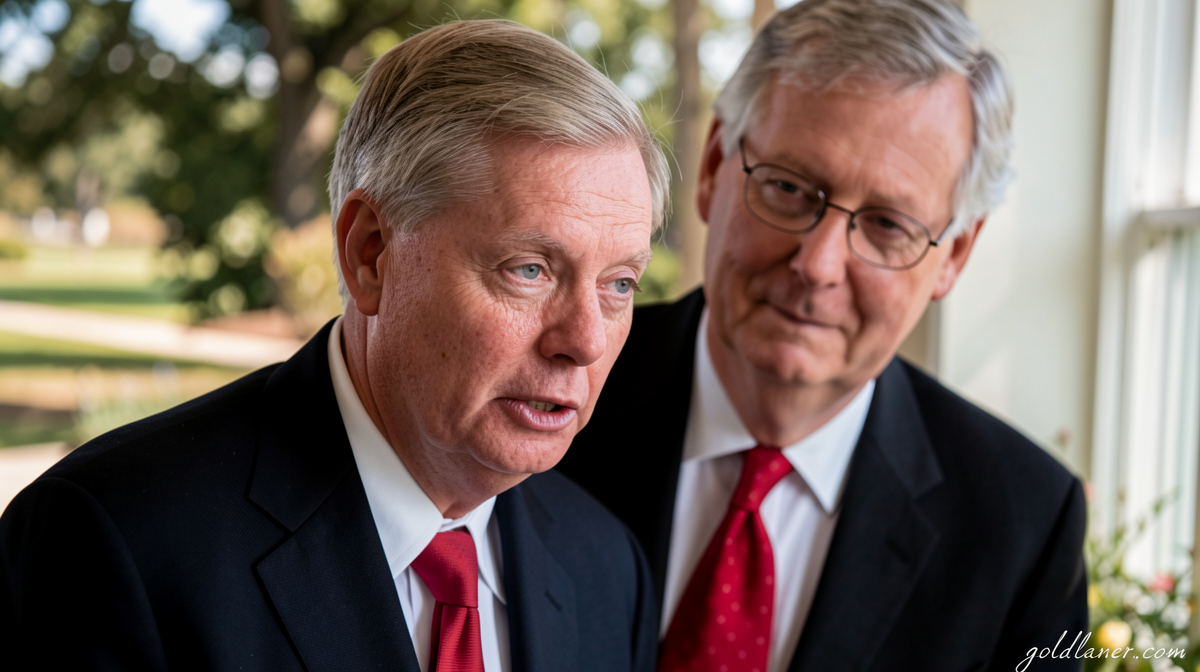
Graham s death highlights a power – The political landscape of the United States is undergoing a profound transformation, marked by the recent death of Senator Lindsey Graham and the extended hospital stay of former Senate Majority Leader Mitch McConnell. These events serve as powerful reminders that even the most formidable political careers eventually yield to time. Yet beyond these personal tragedies lies a broader narrative: the American political system is experiencing seismic shifts as generational change, long delayed, finally arrives.
The Trump Era and the Question of Succession
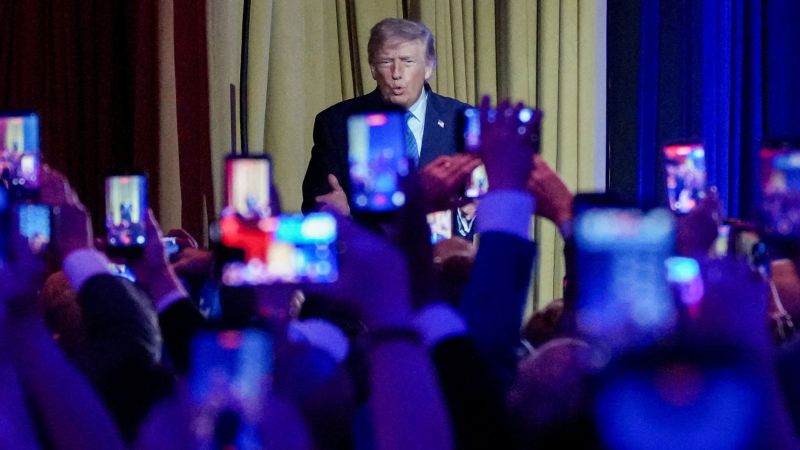
President Donald Trump continues to exercise his authority with characteristic determination, seeking to extend his political influence and overcome the traditional limitations of a second term. At eighty years old, the president demonstrates an unusual preoccupation with creating lasting physical monuments to his presidency—a reflection of someone deeply concerned with how history will remember his tenure. As Americans prepare to cast their ballots in the November midterm elections, attention is increasingly turning toward who might succeed Trump after his decade-long dominance of the Republican Party.
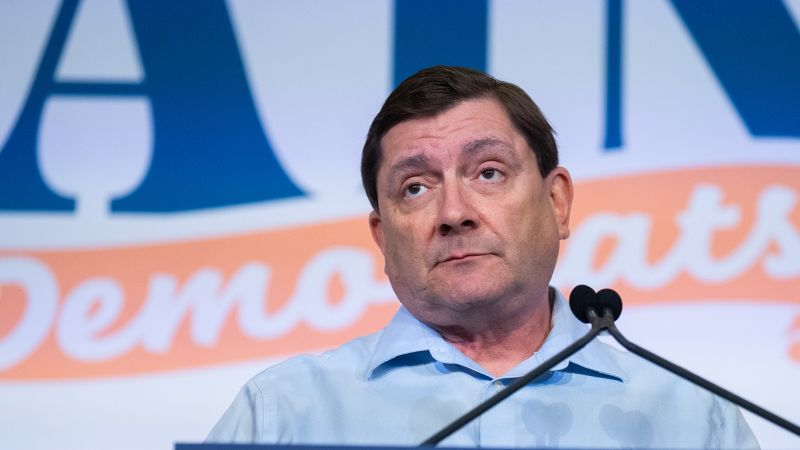
Meanwhile, a comparable succession challenge is emerging within the Democratic Party, where progressive insurgents are questioning the authority of established party leaders. The recent collapse of Graham Platner’s campaign for the pivotal Maine Senate seat—which could determine control of the chamber—illustrates institutional weaknesses that contributed to Trump’s 2024 victory. These structural problems have not been adequately addressed.
Economic Concerns and International Tensions
Neither political party has presented compelling solutions to what many Americans perceive as an affordability crisis. President Trump frequently characterizes the current period as an economic “golden age,” yet this assessment fails to resonate with ordinary voters. Simultaneously, the administration is intensifying military engagement with Iran, a conflict the president has cautioned could trigger another Great Depression. Compounding these challenges, Trump declined to approve legislation addressing affordable housing, citing Republican reluctance to support measures that would counter his claims of widespread voter fraud.
Graham s death highlights a power dynamic that extends beyond party lines. Democratic leaders face their own difficulties as they navigate internal divisions. Some party members are calling for younger leadership, while democratic socialists are pushing for more progressive economic policies. The party establishment worries about losing its moderate base, and polling data suggests that Democrats have not yet rebuilt the trust of voters who feel disconnected from traditional politics.
Graham’s Remarkable Political Evolution
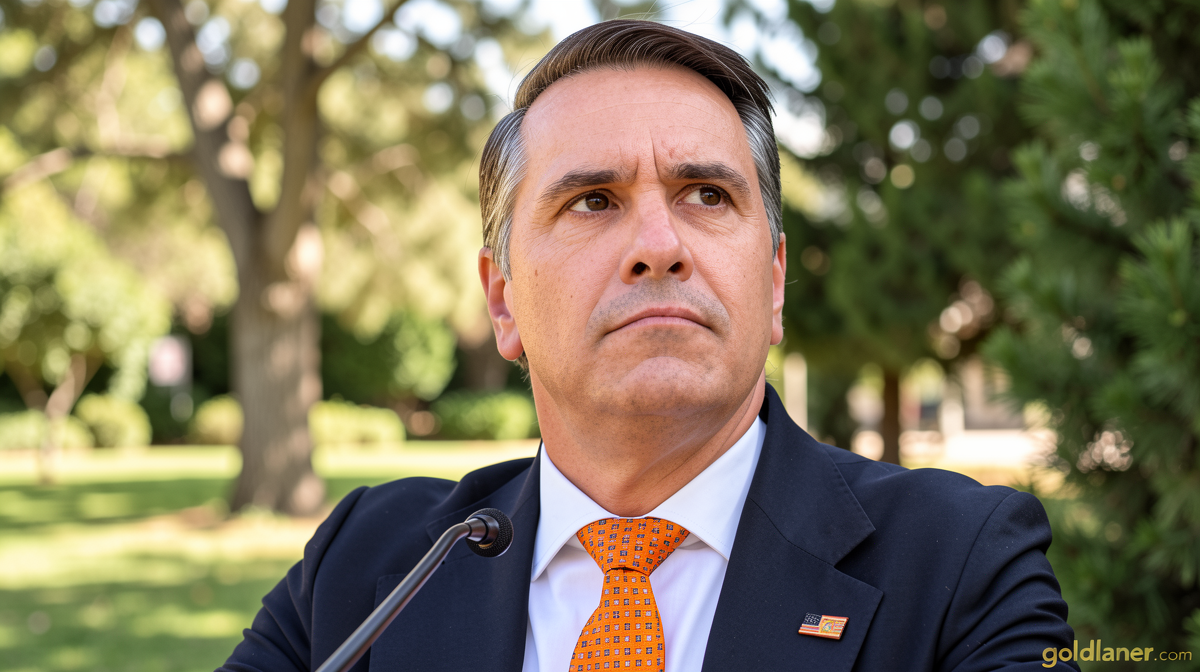
Lindsey Graham’s career exemplifies the Republican Party’s transformation over the past decade. Once considered a traditional hawk and neoconservative aligned with Reagan-era foreign policy principles, Graham evolved into one of President Trump’s closest allies. The president, who spoke with Graham shortly before his sudden death from an aortic tear, described his friend as possessing “vim and vigor.” Speaking to Jake Tapper on CNN’s “State of the Union,” Trump characterized Graham’s passing as “a terrible loss,” adding: “He was a great politician. He was a natural.”
Trump told Jake Tapper on CNN’s “State of the Union” that Graham’s passing was “a terrible loss” and added: “He was a great politician. He was a natural.”
Graham’s relationship with Trump proved particularly significant given his longstanding friendship with Senator John McCain, one of the last Republican leaders to openly challenge the president. McCain, who passed away in 2018, had endured relentless criticism from Trump following his death. Many of McCain’s allies felt that Graham’s closeness to the president represented a betrayal of their shared values.
Critics occasionally accused Graham of displaying opportunistic tendencies, suggesting he was willing to align himself with whoever held power. Nevertheless, Graham appeared to gain considerable influence through his relationship with Trump, particularly when the president signaled support for congressional efforts to strengthen sanctions against Russia regarding the Ukraine conflict. Graham traveled to Ukraine shortly before his death, visiting the war-torn country that continues to demonstrate remarkable resilience.
Looking Ahead
Graham’s position as a trusted advisor to the president allowed him to serve as an important bridge between the White House and Republican lawmakers. His death leaves a void that will be felt across the political spectrum. Graham s death highlights a power transition that will shape Washington’s direction for years to come. As McConnell recovers in the hospital and Trump navigates his second term, the nation watches to see how these changes will unfold. The question remains: what’s coming next in Washington?