
Exclusive: US military rushed to prepare ground mission to capture Iran’s uranium, but Trump paused it, sources say
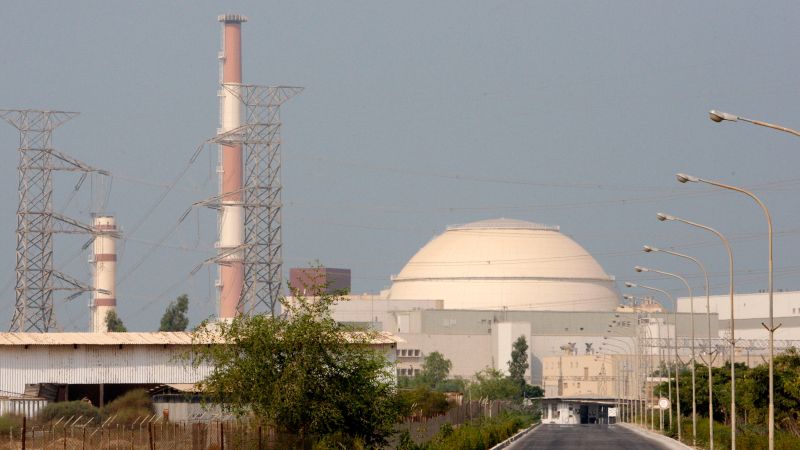
US Military Readies Ground Operation for Iran’s Uranium Amid Trump’s Halt, Sources Report
Exclusive – Less than a month ago, the U.S. military embarked on a swift and confidential initiative to plan a ground mission targeting Iran’s uranium reserves, sources close to the operation told CNN. The effort, described as highly time-sensitive, involved a sudden trip by the nation’s top general to the U.S. Central Command headquarters in Tampa, Florida, where he received an in-person update on the strategy to seize Iran’s enriched uranium. This critical element, essential for nuclear weapon production, had become a focal point of U.S. foreign policy under the Trump administration, with the goal of securing it through military means rather than diplomatic talks.
Gen. Dan Caine, the Chairman of the Joint Chiefs of Staff, made the unexpected journey from Brussels to Florida on May 19, cutting short a meeting with NATO leaders to address the urgency of the mission. The briefings, which emphasized the operational risks and strategic implications of the plan, were so pressing that they required Caine to prioritize the military’s push for action over ongoing diplomatic engagements. The move highlights the growing tension between the administration’s desire to escalate pressure on Iran and the potential fallout of such a decision.
While the military prepared for the operation, the White House remained divided. According to sources, Trump was briefed on the mission’s details but opted to delay it after being warned of the likely consequences. A potential ground invasion could trigger severe Iranian retaliation, extending the conflict and deepening economic instability. This concern was echoed by officials who noted the administration’s fear of significant U.S. casualties, a risk Trump has consistently highlighted as a potential deterrent to public support for the war effort.
Recent developments have placed the U.S. and Iran on the brink of a deal, with Trump suggesting the agreement could be signed by the weekend. The plan to open the Strait of Hormuz, a vital maritime route, was part of a broader negotiation to resolve disputes over Iran’s nuclear program. However, the latest reports indicate that the U.S. had already advanced plans for a military operation, showcasing the administration’s readiness to act despite the diplomatic momentum.
Trump’s Dilemma: Risk vs. Reward
Trump’s hesitation to endorse the operation reflects a broader struggle between his hawkish stance on Iran and his cautious approach to military engagement. A senior administration official, when asked for comments, outlined the terms Iran had supposedly agreed to, including the destruction and removal of its nuclear material, the dismantling of its nuclear program, and the reopening of the Strait of Hormuz. In exchange, Iran would receive sanctions relief. Yet, Iranian state media has presented a contrasting narrative, asserting that the country would not commit to ceding control of the Strait of Hormuz and that any deal required immediate access to $24 billion in frozen funds.
One of the key factors in the decision-making process was the U.S. military’s ability to locate and secure the uranium. Sources revealed that Iran had stockpiled nearly 970 pounds of highly enriched uranium across several facilities, including the Isfahan, Natanz, and Fordow complexes. These locations, some of which are concealed in underground tunnels, complicate the logistics of a successful operation. Despite these challenges, the administration remains committed to the objective, though Trump’s pause has kept the mission in limbo.
“Lots of risk,” said a source familiar with the plans, adding that it was unsurprising Trump chose to delay the operation. “The potential for casualties and Iranian retaliation is significant, and Trump has shown reluctance to commit to a full-scale military move without clear guarantees.” This quote underscores the delicate balance the administration has been trying to strike between aggressive action and diplomatic resolution.
Tehran, meanwhile, has prepared its own contingency plan should negotiations collapse. According to three individuals with knowledge of the matter, the country is exploring an economic strategy involving its proxy force in Yemen, the Houthis. The plan includes closing the Bab-al-Mandab strait, a critical shipping route connecting the Red Sea to the Gulf of Aden. This move would disrupt global trade and create a new chokepoint, adding pressure on the U.S. to expedite its military efforts.
Experts have questioned the feasibility of a U.S. operation to extract the uranium, citing the challenges of identifying and verifying the stockpile under hostile conditions. The potential for errors in targeting or logistics could lead to unintended consequences, including civilian casualties or damage to Iran’s infrastructure. Nevertheless, the military has not ruled out the possibility entirely, and the administration continues to evaluate its options.
Trump’s frustration with Iran’s stance has been mounting, particularly as the country has stalled on key concessions. The uranium stockpile, which Iran has refused to relinquish, remains a symbol of its defiance. While the administration has publicly emphasized the need for a decisive move, the lack of progress in negotiations has forced a reevaluation of the military’s role. The recent briefing on the ground mission suggests that the U.S. is prepared to escalate if diplomatic efforts fail.
As the situation unfolds, the focus remains on whether the administration can secure Iran’s cooperation or resort to force. The timing of the military’s preparations, just before Trump’s announcement of a potential deal, adds to the uncertainty. The White House’s decision to pause the operation highlights the complexity of the conflict, where political, military, and economic considerations intertwine. For now, the mission remains on hold, with the possibility of renewed action still within reach.
Analysts note that the administration’s approach reflects a blend of strategic patience and readiness for escalation. While the prospect of a military operation looms, the decision to delay it demonstrates Trump’s calculated risk assessment. The outcome of these deliberations could shape the trajectory of the conflict, with implications for regional stability and global energy markets. As the U.S. and Iran continue their tug-of-war, the fate of the uranium and the broader nuclear program hangs in the balance.
