Quarantine comes to an end for the last of the hantavirus ship passengers in Nebraska

Quarantine Ends for Hantavirus Ship Passengers in Nebraska
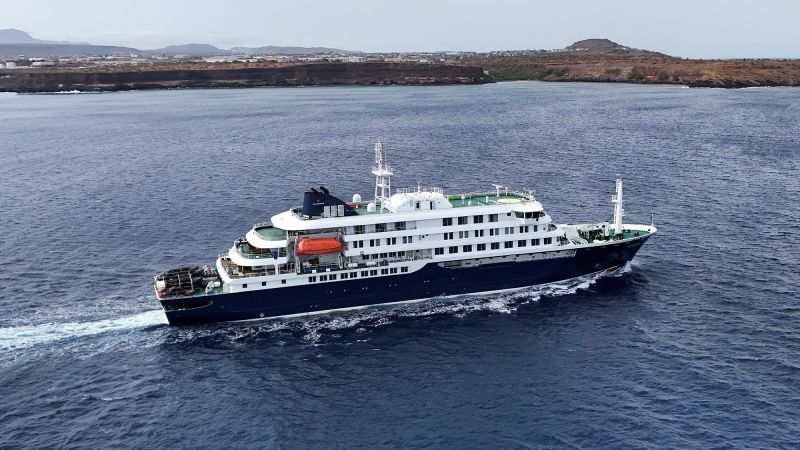
Quarantine comes to an end – The quarantine comes to an end for the final group of passengers affected by the hantavirus outbreak on the MV Hondius, as the last eight Americans were released from their 42-day isolation at a Nebraska medical facility. This marks a significant milestone in the global response to the disease, which originated on the Dutch cruise ship during its South Atlantic voyage. Health officials confirmed the conclusion of the quarantine on Monday, with the U.S. Department of Health and Human Services (HHS) declaring the measures complete after months of containment efforts.
Evacuation and Quarantine Protocols
Over 120 individuals were evacuated from the MV Hondius in early May, including the 18 Americans who were transported to Nebraska for quarantine. The decision to isolate these passengers followed the discovery of the Andes hantavirus, a strain known for its rare human-to-human transmission. While the U.S. took the lead in monitoring the final group, the evacuation process had already begun, with at least 30 passengers leaving the ship before the official diagnosis. This discrepancy in timing sparked debates about the effectiveness of the containment strategy.
Quarantine measures were intensified after the virus was confirmed, requiring passengers to remain in isolation for up to 42 days to observe for symptoms. The World Health Organization (WHO) classified the outbreak as a high-risk event, but U.S. officials maintained that the quarantine comes to an end once the confirmed cases showed no further progression. The National Quarantine Unit in Omaha, where the last eight passengers were housed, provided amenities to ease the psychological impact of the extended stay.
Controversy and Individual Rights
The quarantine comes to an end for the last passengers, yet the process was not without controversy. Angela Perryman, one of the quarantined individuals, became a symbol of the tension between public health mandates and personal freedom. She was held against her will in Nebraska for the full 42-day period, despite medical experts suggesting a shorter isolation could suffice. Her account of being locked in her room until the final hour of the quarantine highlighted concerns about the fairness of the extended measure.
While the majority of passengers adhered to the quarantine, Perryman’s case drew public attention to the strictness of the protocol. The decision to retain the final group was made by then-Attorney General Robert F. Kennedy Jr., who cited the need for thorough observation. Critics argued that the quarantine period was unnecessarily prolonged, but HHS officials defended the approach as a precautionary step to ensure the virus was fully contained.
Public Health Outcomes and Lessons Learned
Despite the 42-day quarantine, the outbreak resulted in three fatalities, prompting health officials to assess the effectiveness of the measures. The 13 confirmed cases among the passengers showed no severe symptoms, indicating that the quarantine comes to an end successfully. The U.S. response, involving federal, state, and local cooperation, was praised for its efficiency in managing the crisis. However, the incident underscored the importance of balancing health protocols with flexibility for individual circumstances.
As the quarantine comes to an end, health agencies are now reviewing the containment strategy to improve future responses. The Andes hantavirus, which spreads through rodent droppings and has rare human-to-human transmission, remains a concern for travelers. The experience of the MV Hondius passengers has led to discussions on refining quarantine timelines and ensuring better communication with affected individuals. The final release of the eight Americans signals both a triumph in containing the outbreak and a lesson in pandemic management.