
Diarrhea-causing parasite that can contaminate raw produce causing misery across several states
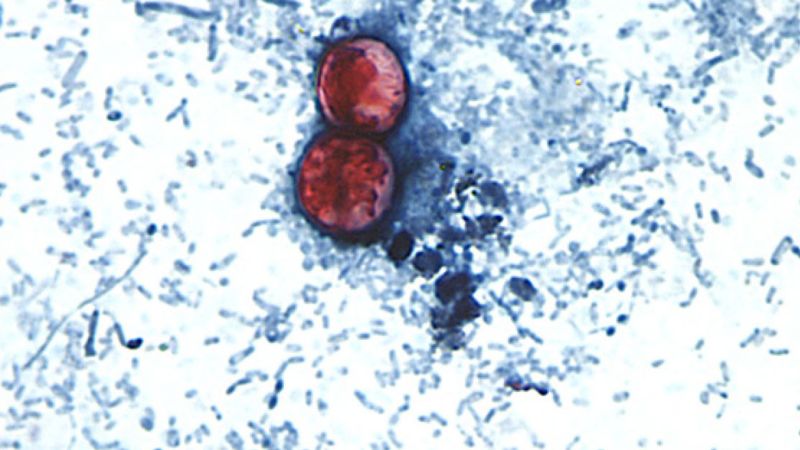
Cyclospora Outbreak: Diarrhea-Causing Parasite Spreading Across States
Diarrhea causing parasite that can contaminate – As summer approaches, a diarrhea-causing parasite that can contaminate raw produce has sparked concern across multiple states. Health authorities report a surge in cases linked to the Cyclospora parasite, which has infected over 145 individuals in 17 states between May 1 and June 16. The Centers for Disease Control and Prevention (CDC) is investigating the spread, emphasizing that the parasite’s presence in fresh fruits and vegetables is a growing public health issue. This outbreak highlights the need for heightened vigilance in food safety, particularly with the rising consumption of uncooked greens and berries during warmer months.
Michigan Leads in Cyclospora Cases, While Other States Report Rising Trends
Michigan has become a central hub for the current outbreak, with at least 170 confirmed cases reported in seven counties over the past nine days. These numbers far exceed the state’s typical annual count, which averages around 50. Meanwhile, New York state—excluding New York City—has seen 107 cases, a notable increase from its usual 500 to 700 annual cases. The CDC has yet to include Michigan’s data in its national tally, suggesting multiple independent clusters rather than a single contamination source. This pattern underscores the challenge of pinpointing the exact origin of the parasite’s spread.
While the exact cause remains under scrutiny, investigations point to common produce items as potential culprits. The diarrhea-causing parasite that can contaminate is often found in leafy greens and berries, which absorb pathogens from soil and water during growth. Researchers are examining how irrigation practices and environmental conditions may contribute to the parasite’s persistence on crops. Although no single food item has been definitively linked, the data suggests a broader pattern of contamination across various agricultural sectors.
How Contamination Occurs and Its Health Impact
Cyclospora spreads through human feces, which can contaminate water used for irrigation. Once on crops, the parasite thrives in humid conditions, making it a seasonal threat. Dr. David Freeman, a professor emeritus of infectious diseases, explains that cooking effectively kills the parasite, but raw foods like salads and fresh fruits remain at higher risk. The diarrhea-causing parasite that can contaminate typically leads to symptoms such as watery diarrhea, nausea, and abdominal pain, which can last up to two weeks. For some, the illness may require medical intervention to manage dehydration and complications.
Health officials note that while most cases are mild, the diarrhea-causing parasite that can contaminate can cause significant discomfort and disrupt daily activities. The current spike in cases, though not yet linked to international travel—which is common in past outbreaks—adds to the complexity. The CDC is urging the public to wash produce thoroughly and monitor symptoms, especially as more people opt for fresh, uncooked meals during the warmer season.
Tracking the Spread: A Multi-State Challenge
Efforts to trace the outbreak have revealed a pattern of localized contamination. Michigan’s high case count, combined with reports from other states, suggests that multiple sources may be involved. Researchers are analyzing farm practices, water sources, and transportation routes to identify where the parasite enters the food supply chain. The diarrhea-causing parasite that can contaminate thrives in environments where it’s not immediately eliminated by heat or routine cleaning, making it a persistent risk.
Despite the CDC’s ongoing investigation, the exact pathway of contamination remains unclear. The parasite’s ability to survive in cool, moist conditions allows it to persist on produce even after harvesting. Public health experts stress the importance of vigilance in food handling, as the diarrhea-causing parasite that can contaminate continues to pose a challenge for states and consumers alike. With summer in full swing, the risk of further spread is expected to rise unless preventive measures are scaled up.
Preventive Measures to Reduce Transmission
Dr. Freeman advises washing all fresh produce with running water to reduce the risk of Cyclospora infection. However, standard cleaning methods may not fully eliminate the parasite, especially on leafy greens and herbs that are difficult to rinse thoroughly. To enhance safety, experts recommend soaking fruits and vegetables for several minutes before washing. The diarrhea-causing parasite that can contaminate is particularly hardy, so heat treatment remains a critical step in preventing illness.
Consumers are also encouraged to stay informed about local outbreak updates and check for recalls of potentially contaminated products. By combining thorough cleaning with cautious consumption habits, the risk of infection can be significantly lowered. The CDC continues to monitor the situation closely, aiming to identify and address the root causes of the diarrhea-causing parasite that can contaminate’s spread to protect public health.
