
Tyler Mane, ‘X-Men’ star and former pro wrestler, says he has ‘super-rare’ breast cancer
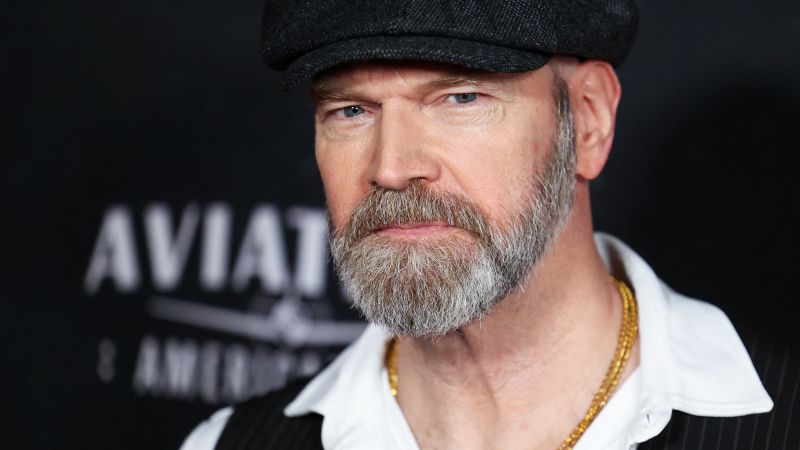
Tyler Mane, ‘X-Men’ Actor and Former Pro Wrestler, Discloses Rare Breast Cancer Diagnosis
Tyler Mane X Men star and former – Tyler Mane, the Canadian actor renowned for his portrayal of Sabretooth in the 2000 X-Men film, has shared a significant personal revelation with his followers. The 59-year-old, who also lent his voice and presence to the 2024 film *Deadpool & Wolverine*, announced on Instagram that he has been diagnosed with a “super rare” form of breast cancer. This news has sparked conversations about the often-overlooked condition affecting men, challenging common perceptions about its prevalence.
A Unique Path from Wrestling to Acting
Before becoming a celebrated actor, Mane carved out a name for himself in the world of professional wrestling. His transition from the ring to the screen was seamless, with his role in *X-Men* cementing his status in Hollywood. However, his journey has taken an unexpected turn as he faces a health challenge that is not typically associated with his career. The actor revealed that he had initially hesitated to disclose his diagnosis, fearing the stigma that often accompanies it.
Mane’s Instagram post, which included a video of him undergoing chemotherapy, underscored his determination to fight the disease. “I have some bad news: I start chemo today. One in 750 men will be diagnosed with breast cancer in their lifetime, and I’m one of them,” he stated in the clip. The message was accompanied by a caption that highlighted the rarity of the condition, noting that only 1% of breast cancer cases are found in men. This statistic, according to Mane, explains why the disease is frequently under-discussed and under-recognized in male populations.
“I found out that men are more likely to be diagnosed in early stages because it’s not talked about and not looked for. In fact, my doctors all dismissed it, and it was only because my wife pushed me to get the lump removed that I got in early,” Mane explained.
The Silent Stigma of Male Breast Cancer
Mane’s experience reflects a broader issue within the medical community and public awareness. Despite being a relatively uncommon condition, breast cancer in men can be just as serious as it is in women. The Centers for Disease Control and Prevention (CDC) reports that approximately 1 in 100 breast cancer diagnoses in the U.S. are made in men, a figure that aligns with global estimates from the World Health Organization, which places the rate between 0.5 and 1%.
Mane emphasized how the rarity of the disease leads to it being overlooked or misdiagnosed. “It’s easy to miss when it’s not on the radar,” he said. This lack of attention, he argued, results in many men receiving late-stage diagnoses, which can complicate treatment outcomes. His personal story serves as a reminder of the importance of early detection, particularly for those who may not suspect they are at risk.
Mane’s initial reaction to the diagnosis was to keep it private. “I’ll be honest, my first thought was to keep it secret. It’s kind of embarrassing,” he admitted. However, as he learned more about the disease, he felt compelled to share his journey with others. His Instagram update not only detailed his treatment but also encouraged his audience to spread awareness about male breast cancer.
“I’m gonna kick cancer’s ass. Thank you for coming along for the journey. We need to spread the awareness. Cancer sucks, but if you catch it quick enough, you can win this battle,” he wrote in a follow-up post after a second day of chemotherapy.
Advocacy and Emotional Resilience
Mane’s message resonated with many, as he used his platform to highlight the importance of early detection and open dialogue about the condition. In a clip from his hospital bed, he raised his middle finger and mouthed the words “f**k cancer,” a powerful gesture that captured the spirit of his fight. The video, which was posted on Tuesday, showed him in a visibly emotional state, thanking fans for their support and expressing gratitude for their engagement with his story.
His advocacy efforts are rooted in both personal experience and a desire to inspire others. Mane, who has 63,100 Instagram followers, emphasized the need for greater understanding and proactive care. “If we talk about it more, we can catch it earlier and save more lives,” he asserted. This sentiment is echoed by medical experts, who stress that awareness is crucial in combating the stigma and ensuring timely diagnosis.
Mane’s career beyond *X-Men* has included memorable roles in the horror genre, such as his appearance as the villain Michael Myers in the 2007 slasher film *Halloween* and its 2009 sequel *Halloween II*. These films showcased his versatility as an actor, but his recent health revelation has added a new dimension to his public persona. His ability to transition from the physicality of wrestling to the emotional depth of acting is now matched by his courage in addressing a disease that has long been associated with women.
By sharing his diagnosis, Mane has become a symbol of resilience and advocacy. His journey highlights the intersection of personal health and public awareness, challenging stereotypes and encouraging men to prioritize their well-being. As he continues through treatment, his message is clear: breast cancer in men is a serious issue that demands attention, empathy, and action.
The actor’s story also underscores the importance of family support in health decisions. His wife’s insistence on getting the lump removed played a pivotal role in his early diagnosis, a lesson that many men might benefit from. Mane’s openness has not only helped him process his own experience but has also empowered others to seek medical advice without hesitation. His words, combined with his actions, are a call to raise awareness and foster a culture of proactive health care for all genders.
As the fight against breast cancer in men gains momentum, figures like Tyler Mane are helping to shift the narrative. His unique background in wrestling and acting adds credibility to his message, making it more relatable to a diverse audience. By speaking out, he has transformed a personal challenge into a collective effort to educate and inspire. The journey ahead will be difficult, but Mane’s commitment to awareness and advocacy ensures that his voice will continue to echo in the ongoing battle against this rare but impactful disease.
