James Burrows, director of classic TV comedies including ‘Cheers’ and ‘Friends,’ dies at 85

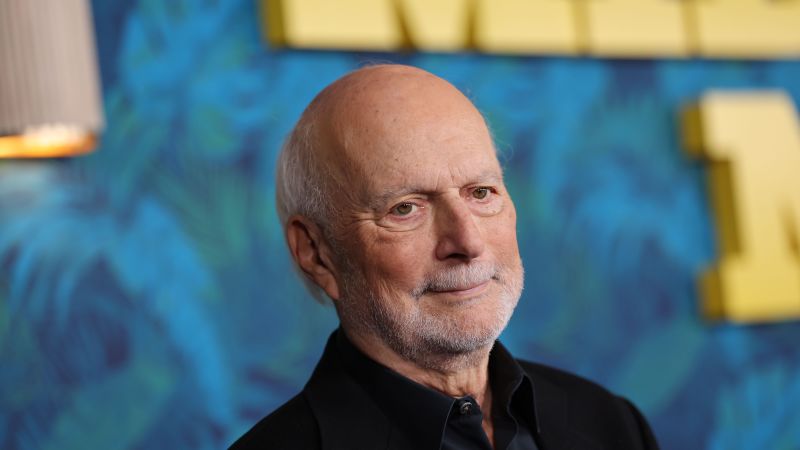
James Burrows, Director of Classic TV Comedies, Dies at 85
A Legacy of Laughter
James Burrows director of classic TV comedies – James Burrows, a celebrated director of classic TV comedies, has died at 85. His family shared the news via People, stating he “passed away peacefully today surrounded by loved ones.” While specifics about his death’s cause and location remain undisclosed, his contributions to television humor are immeasurable. Burrows spent over four decades behind the camera, crafting shows that remain iconic in the realm of sitcoms, including masterpieces like ‘Cheers’ and ‘Friends’.
Known for his unique ability to blend sharp dialogue with heartfelt storytelling, Burrows’ work defined the golden era of television comedy. From the workplace antics of ‘Cheers’ to the witty banter of ‘Friends,’ his directorial style brought authenticity to each scene. He also played a key role in shaping ‘Will and Grace,’ which redefined the boundaries of situational comedy. With more than 1,000 episodes under his belt, Burrows left a lasting mark on the industry, even as his name was often overshadowed by the actors he guided.
The Man Behind the Camera
Burrows’ early career began with a focus on classic sitcoms, but his breakthrough came later in life. At 35, he entered the television industry, initially working on shows like ‘The Mary Tyler Moore Show’ and ‘The Bob Newhart Show.’ These projects helped him hone his craft, eventually leading to his iconic roles in shaping the era’s most memorable comedies. His philosophy centered on fostering natural chemistry between actors, a principle he emphasized in his 2022 memoir.
“The best comedy comes when the script, the performance, and the actors’ rapport align perfectly,” Burrows wrote. This belief became the foundation of his approach, resulting in shows that resonated with audiences for decades. While his name may not always be the first to be remembered, his behind-the-scenes impact was undeniable. Viewers cherished the humor he helped craft, even if they didn’t always acknowledge the director’s hand in its creation.
Roots in the Theater
James Edward Burrows was born on December 30, 1940, in Los Angeles. At five, he relocated to New York, where he spent five years in the Metropolitan Opera Children’s Chorus. This early exposure to the performing arts sparked his interest in storytelling and stagecraft. Later, he attended LaGuardia High School of Music & Art, where he developed his skills and prepared for a career in entertainment.
Burrows’ father, Abe Burrows, was a prominent figure in theater, known for Broadway hits like ‘Guys and Dolls’ and ‘Can-Can.’ Growing up in a family of creators, James was immersed in the world of comedy and drama. His childhood included dining at New York’s iconic venues and mingling with celebrities at his father’s parties, which deepened his understanding of the craft. These formative experiences influenced his later work as a director of classic sitcoms, blending theatrical flair with television accessibility.
After earning a bachelor’s degree from Oberlin College, Burrows pursued his master’s at Yale School of Drama. There, he met future collaborators like actor-comedian Robert Klein and playwright John Guare. It was at Yale that he discovered his passion for directing, a shift that would define his career. His first foray into television was as a dialogue coach for Burl Ives on ‘O.K. Crackerby!’ in 1965, a role that bridged his stage background with the emerging medium of TV.
Shaping the Golden Age of Sitcoms
By 1974, Burrows had transitioned from theater to television, joining the team behind ‘The Mary Tyler Moore Show’ as an assistant. This role allowed him to master the art of balancing humor with character development, a skill he later applied to his own creations. His time with MTM Enterprises taught him how to guide actors and shape scenes with precision, techniques that became central to his success as a director of classic comedies.
Burrows’ innovation in multi-camera sitcoms revolutionized the genre. While the industry traditionally used three cameras, he pioneered the use of four, enhancing visual storytelling and allowing for more dynamic interactions. This approach was evident in shows like ‘Cheers,’ where his ability to capture spontaneous laughter became a hallmark. His work on ‘Friends’ also showcased his knack for blending wit and warmth, creating a timeless series that continues to be celebrated.