Challenging fire weather will return to Pacific Northwest as crews battle destructive Spokane blazes

Daftar Isi
Pacific Northwest Faces Renewed Fire Threat as Hot, Windy Conditions Roll In
Goldlaner.com – Firefighters across Washington state are bracing for another round of challenging weather that could complicate efforts to contain the rapidly spreading blazes near Spokane. After a brief window of calmer conditions allowed crews to make meaningful progress, a new wave of intense heat and gusty winds is expected to arrive this weekend, potentially reigniting embers and forcing evacuations to continue longer than anticipated.
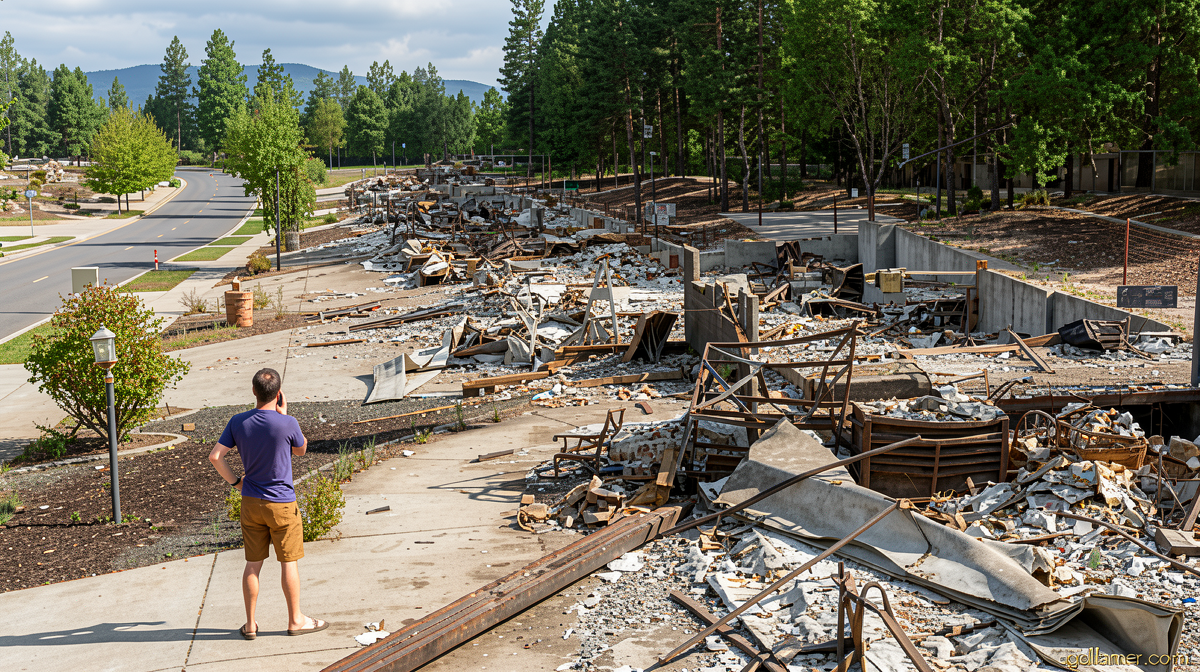
The complex of three fires burning in eastern Washington has already consumed more than 10,000 acres of land and reduced hundreds of homes and buildings to rubble since they first ignited on Saturday. Tens of thousands of residents were ordered to leave their homes during the crisis, and while many have begun returning to assess the damage, their treasured possessions and memories now lie in ashes. The incoming weather system means those evacuations will not be lifted anytime soon.
Evacuations Remain in Place
Spokane County Sheriff John Nowels emphasized that the decision to keep evacuation orders active is driven by the forecast, not just the current fire behavior. “We are not going to be downgrading these zones in any large way for many, many more days to come,” he stated, noting that the approaching wind and heat will keep fire danger elevated across the region.
Legal consequences are also emerging from the disaster. A Spokane resident has been arrested and formally charged with first-degree arson in connection with one of the fires. The suspect is scheduled to appear in court for an arraignment on Thursday, as investigators continue to piece together the circumstances that led to the devastating blazes.
Regional Fire Crisis Deepens
The crisis extends well beyond the Spokane metropolitan area. Dozens of active fires are currently burning across both Washington and Oregon, creating a thick blanket of smoke that has degraded air quality throughout the Pacific Northwest to unhealthy or very unhealthy levels. An intense area of high pressure has settled over the western United States, trapping smoke near the surface and preventing it from dispersing naturally.
This year marks the most severe fire season in more than three decades for both states, a trend that scientists attribute largely to human-caused climate change. The combination of prolonged drought, higher temperatures, and drier vegetation has created ideal conditions for rapid fire spread. Nearly 50 large fires are currently burning across Washington and Oregon, accounting for approximately half of all major wildfires in the United States, according to the National Interagency Fire Center.
Weather Forecast: What to Expect
Thursday will bring relatively stable conditions, with temperatures beginning to climb above recent levels. The Spokane area is expected to reach highs in the mid-90s, though heavy smoke may block enough sunlight to keep temperatures slightly below forecasted peaks. Fire crews can expect a brief respite before conditions deteriorate.
Friday marks the beginning of a significant shift. Winds will strengthen throughout the day, with peak gusts reaching 15 to 20 miles per hour. While these speeds are not as extreme as the nearly 50-mile-per-hour gusts that fueled the fires’ initial explosive growth last weekend, they are sufficient to carry embers over long distances and challenge containment efforts. High temperatures on Friday could reach the upper 90s, approximately 10 degrees warmer than the seasonal average for this period.
Saturday is projected to deliver the most difficult conditions of the weekend. A fire weather watch has been issued for Spokane and the broader eastern Washington region. Winds will strengthen again in the afternoon, potentially reaching 25 miles per hour, while temperatures remain in the mid-90s. The combination of heat and wind creates a volatile environment where spot fires can develop rapidly.
The pattern is expected to repeat through Sunday, with winds weakening overnight and strengthening once again during daylight hours. Daytime gusts of 15 to 20 miles per hour are likely, with periodic increases possible into early next week. As the week progresses, high temperatures should gradually decline into the upper 80s.
Central Washington and Oregon Face Similar Challenges
The adverse weather is not limited to eastern Washington. Central Washington is expected to experience even stronger winds, with gusts potentially reaching 30 miles per hour beginning Friday. These stronger winds increase the risk of erratic fire behavior and rapid spread, prompting a fire weather watch for the region on both Friday and Saturday.
Central and eastern Oregon will also contend with periods of gusty winds throughout the day. Many areas already experiencing active fires could see gusts up to 20 miles per hour, while the lower Columbia River Basin in northern Oregon may experience winds as strong as 35 miles per hour. The windiest periods across all regions will occur during daytime hours from Friday through Sunday, with calmer conditions each night.
As crews continue their efforts to contain the flames, the combination of challenging weather, extensive smoke, and widespread evacuations will test resources across the Pacific Northwest for days to come. Residents in affected areas are advised to monitor local forecasts and follow evacuation orders until conditions improve significantly.
Related Reading
Frequently Asked Questions
What is Challenging fire weather will return to Pacific?
Challenging fire weather will return to Pacific is the main topic of this guide. The article explains the context, practical details, and next steps readers should understand.
Why does Challenging fire weather will return to Pacific matter?
Challenging fire weather will return to Pacific matters because readers are looking for a useful answer, not just a short summary. Good content should match search intent and help them decide what to do next.