
European heat wave brings in cool cash for Asian air-conditioner makers as sales surge
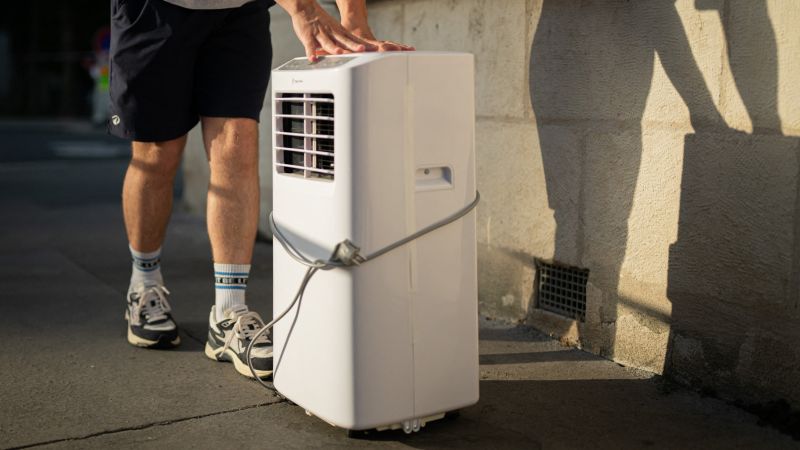
European Heatwave Drives Surge in Air Conditioner Sales
European heat wave brings in cool – Amid Europe’s enduring heatwave, Asian air-conditioning manufacturers are reaping significant financial rewards. Companies such as South Korea’s Samsung Electronics, China’s Midea, and Japan’s Mitsubishi Electric have reported a sharp increase in sales as demand for cooling systems peaks. The sweltering conditions, which have pushed temperatures to unprecedented levels, are forcing European consumers and businesses to seek alternatives to combat the rising heat. This trend is reshaping global markets, with Asian firms positioning themselves as key players in the continent’s cooling needs.
Europe’s Cooling Crisis Sparks Demand
While air conditioning is a common feature in Asian cities, its presence in Europe remains limited. The continent’s aging infrastructure and lower adoption rates have left many households and businesses unprepared for the current heat crisis. In major European cities, the lack of widespread air conditioning has led to disruptions in daily life, including power outages, school closures, and health concerns for vulnerable populations. As the heatwave intensifies, people are turning to portable and fixed units to find relief, creating a sudden and substantial market opportunity for Asian producers.
“With temperatures projected to rise further from June onward, we anticipate sustained demand through the peak cooling season,” stated Samsung Electronics in a statement to Reuters. The company highlighted that key European markets like Italy, Spain, and France have seen double-digit sales growth in the first half of 2026, signaling a shift in consumer behavior.
Meanwhile, LG Electronics reported that its production lines in South Korea had been operating at full capacity since April to meet the anticipated summer demand. This includes both domestic and international markets, with the company emphasizing the growing importance of air conditioning in Europe. Similarly, China’s Midea noted that its PortaSplit units have experienced overwhelming demand, with second-hand prices surpassing the cost of new models. The firm attributed this to a heatwave in late May, which caused some distribution channels to sell out.
Market Expansion and Regional Growth
The surge in demand is particularly pronounced in certain regions. For example, German e-commerce platforms saw a 37% increase in air conditioner sales compared to the previous year, while Spain and France reported even steeper growth of 108%. These figures highlight the continent’s accelerating reliance on cooling technology. The International Energy Agency (IEA) noted that only 20% of European households currently own air conditioning units, underscoring the untapped potential for expansion.
European summers have become increasingly severe, with heatwaves now occurring more frequently and intensifying rapidly. This has prompted a reevaluation of traditional cooling strategies, as countries like France, Spain, and the U.K. face unprecedented challenges. The World Meteorological Organization (WMO) has warned that Europe is warming at more than twice the global average, compounding the need for adaptive measures. As a result, Asian companies are stepping in to fill the gap, offering both affordable and versatile solutions.
“In Europe, sales of air conditioners have been strong, particularly in France, Spain, the U.K., and Germany, which were hit by heat waves,” noted Mitsubishi Electric to Reuters. The company highlighted the growing urgency for cooling systems amid the continent’s climatic shifts.
Installation Hurdles and Economic Barriers
Despite the rising demand, installing air conditioners in Europe presents unique challenges. Older buildings often require extensive modifications, leading to higher costs and longer wait times. Midea estimated that the installation price in Europe could exceed $1,137 (€1,000), making it unaffordable for many households. This economic barrier has slowed adoption, even as the need for cooling becomes more apparent.
To address these challenges, some companies are adopting innovative measures. For instance, LG has equipped delivery staff with cooling devices such as reusable towels, water-activated wrist coolers, and UV-protective neck guards to mitigate heat exposure. These efforts reflect a broader strategy to support both workers and consumers during the crisis. Meanwhile, manufacturers are racing to meet the demand, with production lines running nonstop to keep up with orders.
Climate Change and the Future of Cooling
The current heatwave is a stark reminder of the long-term effects of climate change. As summers grow hotter, European countries are likely to invest more in air conditioning infrastructure. This shift not only benefits Asian manufacturers but also highlights the interconnectedness of global markets in the face of environmental challenges. The rapid increase in sales suggests that Europe’s cooling needs will continue to expand, particularly in urban areas where the heat impact is most severe.
While the immediate effects of the heatwave are evident, the broader implications for Europe’s energy consumption and climate adaptation strategies are also emerging. The International Energy Agency has warned that without significant investment, the continent’s energy grid could struggle to meet the rising demand for cooling. This has sparked discussions about the need for sustainable solutions, including energy-efficient models and government incentives to encourage adoption. Asian firms, with their expertise in manufacturing and affordability, are well-positioned to lead this transition.
As the heatwave continues, the demand for air conditioners shows no signs of slowing. With climate change driving more frequent and intense heat events, the European market is evolving rapidly. This has not only transformed the fortunes of Asian manufacturers but also signaled a new era of consumer behavior and infrastructure development. The region’s shift toward air conditioning is expected to accelerate, reshaping the global demand landscape in the years to come.
