
King Charles will not live in Buckingham Palace after costly refit, reveals $17 million tax bill
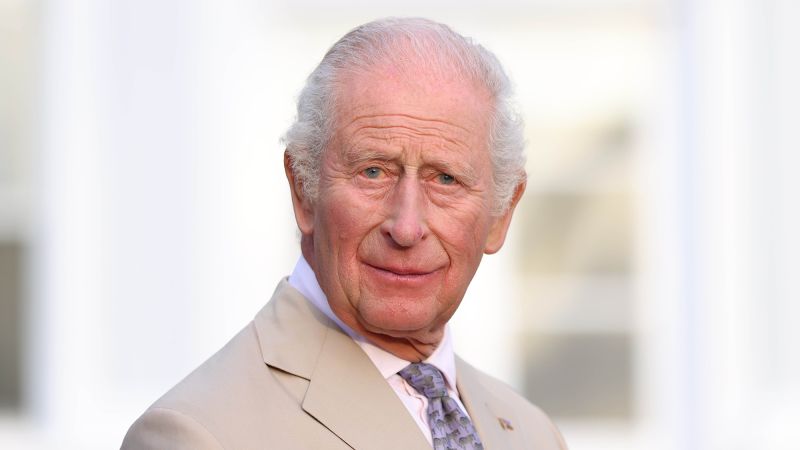
King Charles Will Not Live in Buckingham Palace After $17M Tax Bill
King Charles will not live in Buckingham Palace following a major renovation, as revealed by recent tax disclosures. The iconic London estate, which has been the monarchy’s primary residence for over two centuries, is set to lose its status as the king’s home once the costly overhaul concludes in 2027. Royal officials confirmed the shift, stating that King Charles III will reside at Clarence House, his favored London residence, instead. This change comes as the royal family works to enhance financial transparency since Queen Elizabeth II’s passing in 2022.
The $17M Tax Bill and Monarchical Expenses
The decision to move out of Buckingham Palace is closely tied to the king’s $17 million tax bill for the 2024/25 fiscal year. This figure marks the first public revelation of his tax contributions, placing him among Britain’s top taxpayers. The disclosure is part of a broader trend toward openness, with the monarchy seeking to address public concerns about their financial practices. The tax bill highlights the financial commitments required to sustain royal operations, even as the king’s living arrangements adapt to the palace’s new role.
Buckingham Palace’s £369 million refurbishment, initiated in 2017, has been a focal point of debate. The project includes modernizing outdated systems like heating and plumbing, ensuring the building remains functional for ceremonial purposes. Despite these upgrades, the palace will not serve as the king’s primary residence, though private quarters will stay available for potential use. The move reflects a strategic realignment, balancing the need for preservation with the monarchy’s evolving financial landscape.
Financial Transparency and Public Perception
King Charles will not live in Buckingham Palace as part of a larger effort to increase financial accountability. His $17 million tax bill has drawn attention to the monarchy’s contributions, particularly as the king voluntarily pays income, capital gains, and inheritance taxes. This practice, adopted by Queen Elizabeth II after 1993, aims to demonstrate the royal family’s commitment to fiscal responsibility. The tax bill also underscores the disparity between the monarchy’s private income and public expenses, fueling ongoing discussions about their financial impact.
Charles’s private income comes from the Duchy of Lancaster, a historic asset supporting royal finances. For the 2025/26 fiscal year, this income reached £25.2 million, while his tax payments totaled £11.7 million in 2023/24. The Sovereign Grant, a government-funded allowance, covers costs like staff salaries and travel, but its projected reduction to £100 million in 2027/28 has raised questions about the monarchy’s long-term sustainability. The costly refit of Buckingham Palace exemplifies the financial demands of maintaining royal traditions, even as King Charles will not live there.
Public access to Buckingham Palace will expand during the renovation, offering visitors a deeper insight into its historical and architectural significance. This change is designed to foster closer ties between the monarchy and the public, though the exact details of the new access plan remain undisclosed. The project highlights the intersection of tradition and modernization, with the palace retaining its ceremonial role while the king’s personal quarters are repurposed for other uses. The tax bill serves as a reminder of the financial responsibilities accompanying royal duties.
Prince William’s Tax Contributions and Royal Accountability
Prince William, the king’s eldest son, has also contributed to the royal family’s transparency efforts. His £7.76 million tax payment for 2024/25 has been publicly shared, showcasing the monarchy’s commitment to financial accountability. Additionally, William’s office reported that £1.5 million in rent from a closed prison will be allocated to the local community, a move aimed at countering criticism about royal financial practices. While the focus remains on King Charles will not live in Buckingham Palace, William’s actions reinforce the broader trend of fiscal openness within the royal family.
As the royal family navigates changing public expectations, the decision to move out of Buckingham Palace has sparked discussions about the monarchy’s financial footprint. Critics argue that the monarchy benefits from public funds, such as rent from government properties, but the king’s tax payments and voluntary financial disclosures aim to counter these perceptions. The $17 million tax bill for King Charles will not live in Buckingham Palace underscores the balance between royal privilege and public responsibility, a theme central to the monarchy’s recent financial reforms.
