
Army sergeant gets life sentence for shootings that wounded 5 at Georgia base
Army Sergeant Gets Life Sentence for Georgia Base Shootings
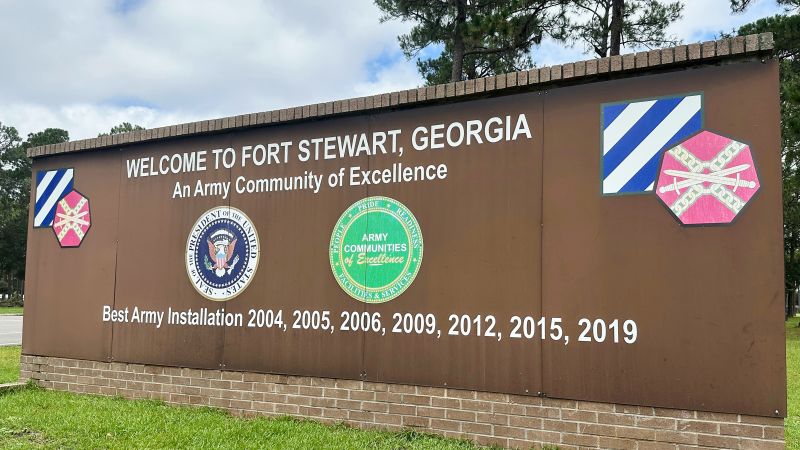
Army sergeant gets life sentence for shootings – On Tuesday, Army sergeant Quornelius Radford received a life sentence in a military prison for the shootings that occurred at a Georgia base last summer. The 29-year-old soldier was sentenced by a military judge at Fort Stewart following a court-martial that concluded last week. Radford’s conviction for attempted murder highlights the severity of the incident, which left five individuals wounded, including four soldiers and his fiancé, Raekwon Smith.
Details of the Attack and Legal Proceedings
The shooting took place in August when Radford fired his personal handgun at leaders within his supply unit, aiming to eliminate perceived threats. The attack, which left four soldiers and his fiancé injured, was initially charged as aggravated assault and domestic violence. However, prosecutors escalated the case to attempted murder, emphasizing the life-threatening nature of the assault. Radford admitted to the March incident but argued his actions were driven by urgency, not malice.
During the court-martial, medical experts from the Army’s Fort Stewart hospital provided testimony on the injuries sustained. One soldier was shot in the face, another in the chest, and others in the back and abdomen. These accounts underscored the immediate danger Radford posed, with some victims still recovering from both physical and emotional trauma. The defense team, however, stressed that Radford’s mental state at the time influenced his actions, presenting his remorse as a key factor in the case.
Prosecution and Defense Arguments
Army prosecutors had sought a life sentence without parole, arguing that Radford’s attack was premeditated and reckless. They highlighted the risk he posed to multiple lives, calling for the harshest penalty to reflect the gravity of the crime. Radford’s defense countered by emphasizing his mental health struggles, presenting evidence of his intent to prevent harm rather than cause it. The judge’s decision balanced both sides, awarding a life sentence with the possibility of parole.
The case was handled by a military judge instead of a jury, a choice that streamlined the proceedings. This allowed for a focused evaluation of the evidence, including testimonies from witnesses and medical reports. Radford’s conviction and sentencing marked a significant moment for the unit he served, prompting a reexamination of safety measures and mental health resources within the military.
Victims’ Stories and Unit Reactions
Several victims shared their accounts during the sentencing hearing, revealing the lasting impact of the trauma. One soldier described the attack as a “life-changing event,” while another, wounded in the chest, recounted the fear that gripped him during the chaos. The unit’s response included a review of protocols, with leaders acknowledging the need for improved mental health support to prevent such incidents.
Radford, who was apprehended by fellow soldiers after the attack, was restrained and disarmed before military police arrived. His sentence included a dishonorable discharge and a rank reduction to private, signaling his formal condemnation within the military hierarchy. The Army sergeant’s actions not only disrupted unit operations but also sparked broader discussions about stressors and safety in the armed forces.
Aftermath and Broader Implications
Following the sentencing, the Georgia base has become a symbol of the ongoing debate about mental health in the military. Radford’s case has drawn attention to the importance of early intervention and support systems for soldiers experiencing psychological distress. His life sentence serves as a stark reminder of the consequences of unchecked aggression, even within a unit that values discipline and camaraderie.
Radford’s fiancé, Raekwon Smith, testified about his fear of the soldier’s suicide attempt, which led to the confrontation. His account added personal context to the case, illustrating the ripple effects of the attack beyond the immediate victims. The Army sergeant’s conviction underscores the military’s commitment to holding individuals accountable for violent acts, even those committed within the ranks.
