
Tetanus is a rare but dangerous disease. A doctor explains why experts are worried
Tetanus: A Modern Health Concern Despite Its Historical Roots
Tetanus is a rare but dangerous – Though tetanus might evoke images of past medical challenges, it still presents a critical health risk. Recent CDC findings reveal a concerning number of cases and fatalities over the last 15 years, including four instances in children alone in 2024. Concurrently, a drop in immunization rates has raised alarms among health professionals, highlighting the growing vulnerability of populations to this lethal yet preventable condition.
The Bacterium Behind Tetanus and Its Environmental Presence
“Tetanus is caused by a bacterium called Clostridium tetani,” explains Dr. Leana Wen, a CNN wellness expert and former Baltimore health commissioner. “These spores are incredibly widespread, often found in soil, dust, and animal waste. They can survive in harsh conditions, which is why they remain a persistent threat.”
The bacteria responsible for tetanus, Clostridium tetani, thrive in environments like soil, dust, and animal manure. When these spores enter the body through an injury, they can germinate and produce a potent neurotoxin. This toxin, known as tetanospasmin, disrupts nerve signals, leading to severe muscle contractions. While the myth of tetanus originating from a rusty nail is common, the rust itself isn’t the issue. It’s the potential contamination of the nail with spores that matters, especially in outdoor settings where exposure to dirt or debris is more likely.
Recognizing the Signs of Tetanus and Its Deadly Progression
“Symptoms typically manifest between several days and weeks after an injury,” says Dr. Wen. “Lockjaw is the most recognizable symptom, but the disease can escalate rapidly, causing muscle rigidity and painful spasms. In severe cases, the respiratory muscles may become paralyzed, leading to life-threatening complications.”
Initial signs of tetanus often include jaw stiffness, neck pain, and difficulty swallowing, which can progress to generalized muscle spasms. The toxin’s impact on the nervous system can lead to spasms so intense they interfere with breathing. Some patients experience vocal cord spasms that block airflow, while others develop dangerous fluctuations in blood pressure and irregular heartbeats due to autonomic nerve damage. Recovery is slow, requiring weeks or months of treatment, and even with aggressive care, the disease can be fatal.
Vaccination: The Key to Preventing Tetanus
“The American Academy of Pediatrics recommends five doses of a tetanus-containing vaccine for children, starting at two months old,” Dr. Wen notes. “Adolescents should get a Tdap booster around 11 or 12, and adults should receive tetanus shots every decade. Those with severe wounds or recent exposures might need a booster sooner.”
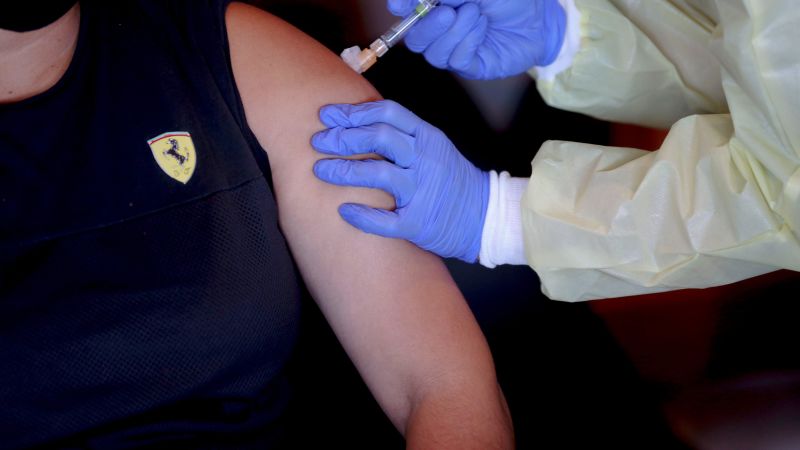
Proper prevention begins with a vaccination schedule. Children are typically immunized with five doses of the tetanus vaccine as part of their routine immunizations. During adolescence, a Tdap booster ensures continued protection. Adults are advised to get a tetanus shot every 10 years, but those with significant injuries—such as deep punctures, burns, or wounds contaminated with dirt—may need an earlier booster. Additionally, pregnant individuals should receive a Tdap vaccine during each pregnancy to safeguard newborns from the disease.
High-Risk Groups and the Impact of Declining Vaccination Rates
“The most vulnerable populations today are those who have not completed their tetanus vaccination series,” Dr. Wen says. “CDC data shows that nearly half of the reported cases involved individuals who had never been vaccinated. This trend is alarming, as it suggests a growing number of people are at risk.”
Vaccination rates have declined in recent years, leaving many individuals unprotected. The CDC surveillance report highlights that nearly half of those diagnosed with tetanus had no prior vaccination history. Children are particularly at risk if their parents or caregivers fail to follow the recommended immunization schedule. This gap in protection can lead to outbreaks, especially in communities with low vaccination coverage. Experts warn that without timely boosters, even minor injuries can become entry points for the bacterium, increasing the likelihood of infection.
Why Tetanus Warrants Continued Attention
Despite its rarity, tetanus remains a formidable adversary. The CDC’s recent case series underscores the diverse range of injuries that can lead to infection, from fractures and punctures to burns and cuts. Each year, these cases remind healthcare professionals of the need for vigilance. Dr. Wen emphasizes that tetanus is not just a historical concern but a present-day issue requiring proactive measures. Proper wound care, timely vaccination, and the use of immune globulin in high-risk scenarios are essential for prevention. However, many individuals remain unaware of these steps, leading to avoidable cases. As the disease’s symptoms can develop unpredictably, early intervention is critical. Health experts urge people to prioritize immunizations and seek medical advice for any injury, especially if the wound is contaminated or deep. The combination of declining vaccination rates and changing lifestyles—such as increased outdoor activities or delayed wound treatment—creates new challenges. Dr. Wen’s insights highlight the importance of education and regular booster shots in maintaining immunity. Tetanus serves as a stark reminder that even diseases once thought to be controlled can resurge, threatening public health if precautions are neglected. By understanding the risks and taking action, individuals can protect themselves and their communities. The CDC and AAP continue to advocate for comprehensive immunization programs, ensuring that tetanus remains a manageable threat rather than a growing epidemic. As Dr. Wen concludes, staying informed and proactive is the best defense against this ancient but enduring disease.
