Why is baseball having a gay meltdown?

Why is Baseball Having a Gay Meltdown?
A Pride Night Controversy Erupts
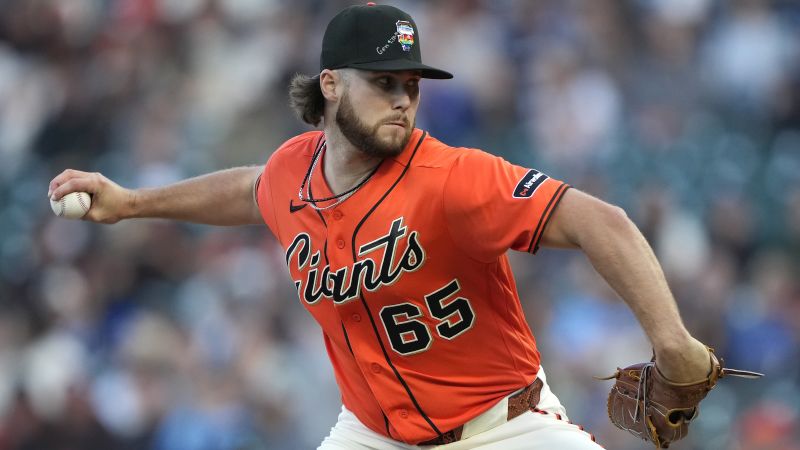
Why is baseball having a gay meltdown – On Friday evening, the San Francisco Giants held a Pride Night celebration at their home stadium, drawing attention to a growing debate within Major League Baseball (MLB). While most teams have embraced themed games to appeal to diverse fanbases, the Giants’ decision to incorporate religious symbolism into their Pride uniforms sparked unexpected backlash. Three pitchers, including starting pitcher Landen Roupp, chose to express their views by writing biblical passages on their caps, challenging the league’s approach to inclusivity.
The Expansion of Pride Celebrations in Major League Baseball
Pride Nights have become a common feature in MLB, with 29 of the 30 teams participating in themed events to celebrate LGBTQ+ communities. These games often include rainbow-colored logos, special promotions, and in-game ceremonies aimed at fostering acceptance and boosting attendance. The primary goal is to create an inclusive environment, ensuring that all fans, including gay individuals, feel represented and welcomed.
However, the Giants are among only two teams that have extended this symbolism beyond the ballpark’s decor, embedding it directly into players’ uniforms. This choice, while intended to honor the spirit of Pride, has led to a clash of values. Roupp, one of the pitchers who added a message to his cap, referenced Genesis 9:12-16—a biblical verse about the covenant of a rainbow—casting the Pride symbol as a sign of divine promise rather than a celebration of LGBTQ+ identity. The others followed suit, displaying similar verses on their gear.
While some fans and analysts praised the players’ efforts to blend faith with inclusivity, others saw it as a challenge to the event’s purpose. Roupp explained his stance in a post-game interview: “That’s just kind of something I believe in, and I stand firm in that. I’m thankful we live in a country where we have the freedom to believe what we want and express what we want.” His words resonated with critics who argued that the Giants’ Pride Night had become a platform for religious expression rather than a tribute to LGBTQ+ visibility.
MLB’s Uniform Policy and the Players’ Right to Express Beliefs
The league’s uniform guidelines clearly state that players may not write, attach, or otherwise display messages on their apparel. Yet, the Giants’ decision to allow rainbow logos on caps created an exception. Roupp and his teammates, by adding biblical verses, effectively turned their uniforms into a canvas for personal belief.
MLB issued verbal warnings to the pitchers for violating the uniform policy, a move that some interpreted as a form of censorship. The league clarified that the warnings were not disciplinary and were consistent with past actions, such as allowing messages like “Dad,” “Happy Mother’s Day, I Love Mom,” or names of family members. This inconsistency has fueled accusations that the league is selectively enforcing its rules to target Christian players.
The controversy reached political figures, with Vice President JD Vance retweeting a comment that linked the situation to the 2024 election. “Trump won we don’t have to do this anymore,” he posted on X, suggesting that the league’s stance on Pride Night was a political maneuver. Missouri Senator Josh Hawley also joined the fray, claiming that MLB was discriminating against Christian athletes by penalizing them for religious expressions.
Political Reactions and Religious Discrimination Allegations
The accusations against MLB gained traction as the league faced scrutiny from federal authorities. Assistant Attorney General Harmeet K. Dhillon wrote a public letter to Commissioner Robert Manfred, directing the Equal Employment Opportunity Commission (EEOC) to investigate whether the league’s uniform rules violated the First Amendment. She emphasized that “federal law is clear: employers must modify their uniform requirements to reasonably accommodate employees’ exercise of religion.”
CNN has since reached out to the EEOC for updates on the investigation. Meanwhile, Florida’s Attorney General James Uthmeier announced a separate probe, arguing that MLB’s selective enforcement of uniform rules could constitute religious discrimination. “Punishing Christian players for displaying Bible verses while routinely permitting secular, ‘social justice,’ and ideological messages” was the crux of his inquiry.
Looking Back: 2022 and the Tampa Bay Rays’ Initiative
This conflict echoes a similar incident in 2022, when the Tampa Bay Rays attempted to join the Giants and Los Angeles Dodgers in commemorating Pride Night with dedicated caps and patches. Five players opted out, choosing to wear their regular uniforms instead of the rainbow-themed gear. Their decision, though permitted by the league, drew criticism for appearing to reject the event’s inclusivity message.
MLB’s response to the 2022 controversy was to urge teams to avoid making uniforms central to Pride celebrations, aiming to prevent further disputes. The Giants and Dodgers, however, specifically requested that their teams retain the rainbow design, highlighting their commitment to the event. This year’s situation with Roupp and the other pitchers has reignited the same debate, with critics questioning whether the league’s policies are being applied uniformly.
The players’ actions also underscore a broader tension between secular and religious expressions in sports. While Pride Night is designed to promote acceptance of LGBTQ+ communities, the Giants’ inclusion of biblical references has been seen by some as a symbolic protest. The league’s stance—that the warnings were not tied to the content of the messages—has done little to quell the controversy.
Despite the backlash, the Giants’ players remain within their rights. The league’s uniform rules prohibit messages on apparel, but they do not restrict players’ ability to express their beliefs, as long as the rules are followed. The fact that the Giants allowed rainbow logos in the first place means that their players’ biblical verses, while technically violating the policy, were not entirely out of line with the event’s theme.
Ultimately, the incident highlights the complexities of blending faith and inclusivity in a modern sports landscape. While the league aims to cater to diverse fanbases, its policies must also account for the personal convictions of its athletes. As the EEOC and state attorneys continue their investigations, the question remains: can a sport truly honor both pride and religion, or will one always overshadow the other?